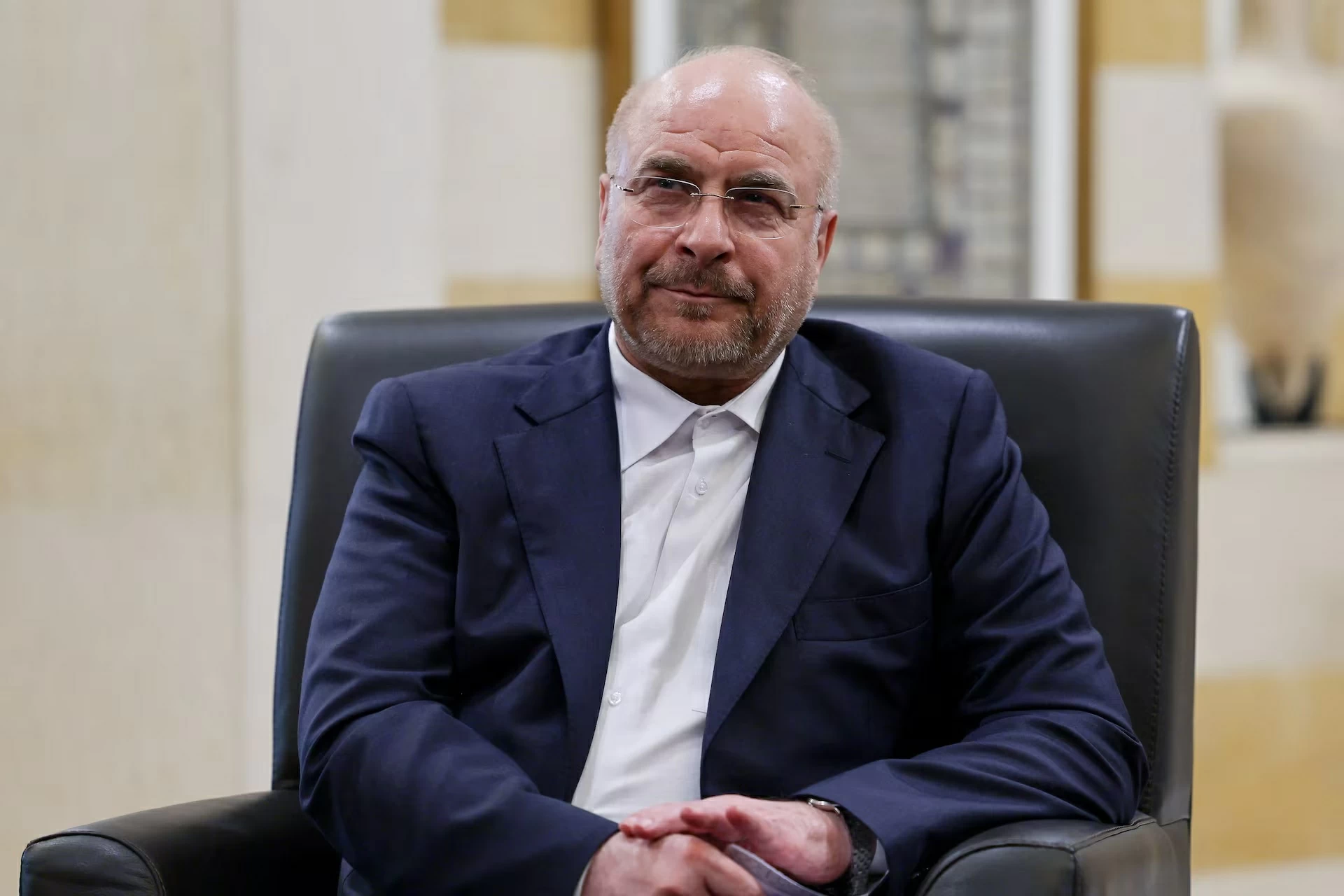
Iranian Parliament Speaker and head of the negotiating delegation, Muhammad Baqir Qalibaf, threatened today (Wednesday) that Iran would impose duties on ships in the Strait of Hormuz, stressing that it would not return to its previous status.
Qalibaf said: “We will not act in violation of international laws,” stressing that the priority is to implement the first clause of the memorandum regarding ending the war on all fronts, then move on to the rest of the clauses.
He pointed out that Iran will clarify the dimensions of the memorandum of understanding with the United States after officially signing it at the end of the week, indicating that they will work to reach a final agreement with Washington within the scheduled 60 days after signing the memorandum of understanding.
He pointed out that Clause 14 of the memorandum of understanding stipulates that the final agreement between Tehran and Washington will be approved by the Security Council.
The Iranian Parliament Speaker questioned the implementation of the agreement, saying: “Even if a final agreement is reached and ratified by the Security Council, it remains untrustworthy, and our guarantee is our strength.”
An American official had published the terms of the memorandum of understanding between Iran and the United States, consisting of 14 items, which included mutual commitments from Tehran and Washington to stop the war and return to negotiations on the nuclear program and the frozen funds. The two parties also committed to opening the Strait of Hormuz to commercial ships from the first hour of signing the agreement.
Preparations are being made in Switzerland for the signing ceremony of the agreement between Iran and the United States, amid expectations that the presidents of the two countries will attend.
The Iranian Parliament Speaker, Mohammad Baqer Qalibaf, threatened today (Wednesday) that Iran would impose fees on ships in the Strait of Hormuz, asserting that it would not return to its previous state.
Qalibaf stated, “We will not act contrary to international laws,” emphasizing that the priority is to implement the first item of the memorandum concerning the end of the war on all fronts, before moving on to the other items.
He indicated that Iran would clarify the dimensions of the memorandum of understanding with the United States after it is officially signed at the end of the week, noting that they would work towards reaching a final agreement with Washington during the 60-day period set after signing the memorandum of understanding.
He pointed out that item 14 of the memorandum of understanding states that the final agreement between Tehran and Washington will be endorsed by the Security Council.
The Iranian Parliament Speaker expressed skepticism about the implementation of the agreement, saying, “Even if a final agreement is reached and endorsed by the Security Council, it remains untrustworthy, and our guarantee is our strength.”
An American official had published the items of the memorandum of understanding between Iran and the United States, consisting of 14 items, which included mutual commitments from Tehran and Washington to stop the war and return to negotiations regarding the nuclear program and frozen funds. Both parties also committed to opening the Strait of Hormuz to commercial ships from the first hour of signing the agreement.
Preparations are underway in Switzerland for the signing ceremony of the agreement between Iran and the United States, amid expectations of the attendance of the leaders of both countries.