Thursday, June 18, 2026
    The GeoStrategic Consensus
    No Result
    View All Result
    • Login
    • HOME
    • AMERICAS
      • Argentina
      • Brazil
      • Canada
      • Chile
      • Colombia
      • Costa Rica
      • Cuba
      • Dominican Republic
      • Ecuador
      • El Salvador
      • Greenland
      • Guatemala
      • Honduras
      • Mexico
      • Nicaragua
      • Panama
      • Paraguay
      • Peru
      • United States
      • Uruguay
      • Venezuela
    • ASIA-PACIFIC
      • Australia
      • Brunei Darussalam
      • Cambodia
      • China
      • Federated States of Micronesia
      • Fiji
      • Indonesia
      • Japan
      • Kiribati
      • Laos
      • Malaysia
      • Marshall Islands
      • Mongolia
      • Myanmar
      • Nauru
      • New Zealand
      • North Korea
      • Palau
      • Papua New Guinea
      • Philippines
      • Samoa
      • Singapore
      • Solomon Islands
      • South Korea
      • Taiwan
      • Thailand
      • Timor-Leste
      • Tonga
      • Tuvalu
      • Vanuatu
      • Vietnam
    • CARICOM
      • CARICOM – Non-English
        • Haiti
        • Suriname
      • CARICOM Associates
        • Anguilla
        • Bermuda
        • British-Virgin-Islands
        • Cayman-Islands
        • Curacao
        • Turks-and-Caicos
      • CARICOM English
        • Antigua and Barbuda
        • Barbados
        • Belize
        • Dominica
        • Grenada
        • Guyana
        • Jamaica
        • Montserrat
        • Saint Kitts and Nevis
        • Saint Lucia
        • Saint Vincent and the Grenadines
        • The Bahamas
        • Trinidad and Tobago
    • EURASIA
      • Armenia
      • Azerbaijan
      • Balarus
      • Georgia
      • Kazakhstan
      • Kyrgyzstan
      • Moldova
      • Russia
      • Tajikistan
      • Turkmenistan
      • Ukraine
      • Uzbekistan
    • EUROPE
      • Albania
      • Andorra
      • Austria
      • Bosnia and Herzegovina
      • Bulgaria
      • Croatia
      • Cyprus
      • Czech Republic
      • Denmark
      • Estonia
      • Finland
      • France
      • Germany
      • Greece
      • Holy See
      • Hungary
      • Iceland
      • Ireland
      • Italy
      • Kosovo
      • Latvia
      • Liechtenstein
      • Lithuania
      • Luxembourg
      • Malta
      • Monaco
      • Montenegro
      • Netherlands
      • North Macedonia
      • Norway
      • Poland
      • Portugal
      • Romania
      • San Marino
      • Serbia
      • Slovakia
      • Slovenia
      • Spain
      • Sweden
      • Switzerland
      • United Kingdom
    • MIDDLE EAST AND NORTH AFRICA
      • Algeria
      • Bahrain
      • Egypt
      • Iran
      • Iraq
      • Israel
      • Jordan
      • Kuwait
      • Lebanon
      • Lybia
      • Morocco
      • Oman
      • Palestinian Territories
      • Qatar
      • Saudi Arabia
      • Syria
      • Tunisia
      • Turkey
      • United Arab Emirates
      • Western Sahara
      • Yemen
    • SOUTH ASIA
      • Afghanistan
      • Bangladesh
      • Bhutan
      • India
      • Maldives
      • Nepal
      • Pakistan
      • Sri Lanka
    • SUB-SAHARAN AFRICA
      • Angola
      • Benin
      • Botswana
      • Burkina Faso
      • Burundi
      • Cabo Verde
      • Cameroon
      • Central African Republic
      • Chad
      • Comoros
      • Cote d’Ivoire
      • Democratic Republic of the Congo
      • Djibouti
      • Equatorial Guinea
      • Eritrea
      • Eswatini
      • Ethiopia
      • Gabon
      • Gambia
      • Ghana
      • Guinea
      • Guinea Bissau
      • Kenya
      • Lesotho
      • Liberia
      • Madagascar
      • Malawi
      • Mali
      • Mauritania
      • Mauritius
      • Mozambique
      • Namibia
      • Niger
      • Nigeria
      • Republic of the Congo
      • Rwanda
      • Sao Tome and Principe
      • Senegal
      • Seychelles
      • Sierra Leone
      • Somalia
      • South Africa
      • South Sudan
      • Sudan
      • Tanzania
      • Togo
      • Uganda
      • Zambia
      • Zimbabwe
    • HOME
    • AMERICAS
      • Argentina
      • Brazil
      • Canada
      • Chile
      • Colombia
      • Costa Rica
      • Cuba
      • Dominican Republic
      • Ecuador
      • El Salvador
      • Greenland
      • Guatemala
      • Honduras
      • Mexico
      • Nicaragua
      • Panama
      • Paraguay
      • Peru
      • United States
      • Uruguay
      • Venezuela
    • ASIA-PACIFIC
      • Australia
      • Brunei Darussalam
      • Cambodia
      • China
      • Federated States of Micronesia
      • Fiji
      • Indonesia
      • Japan
      • Kiribati
      • Laos
      • Malaysia
      • Marshall Islands
      • Mongolia
      • Myanmar
      • Nauru
      • New Zealand
      • North Korea
      • Palau
      • Papua New Guinea
      • Philippines
      • Samoa
      • Singapore
      • Solomon Islands
      • South Korea
      • Taiwan
      • Thailand
      • Timor-Leste
      • Tonga
      • Tuvalu
      • Vanuatu
      • Vietnam
    • CARICOM
      • CARICOM – Non-English
        • Haiti
        • Suriname
      • CARICOM Associates
        • Anguilla
        • Bermuda
        • British-Virgin-Islands
        • Cayman-Islands
        • Curacao
        • Turks-and-Caicos
      • CARICOM English
        • Antigua and Barbuda
        • Barbados
        • Belize
        • Dominica
        • Grenada
        • Guyana
        • Jamaica
        • Montserrat
        • Saint Kitts and Nevis
        • Saint Lucia
        • Saint Vincent and the Grenadines
        • The Bahamas
        • Trinidad and Tobago
    • EURASIA
      • Armenia
      • Azerbaijan
      • Balarus
      • Georgia
      • Kazakhstan
      • Kyrgyzstan
      • Moldova
      • Russia
      • Tajikistan
      • Turkmenistan
      • Ukraine
      • Uzbekistan
    • EUROPE
      • Albania
      • Andorra
      • Austria
      • Bosnia and Herzegovina
      • Bulgaria
      • Croatia
      • Cyprus
      • Czech Republic
      • Denmark
      • Estonia
      • Finland
      • France
      • Germany
      • Greece
      • Holy See
      • Hungary
      • Iceland
      • Ireland
      • Italy
      • Kosovo
      • Latvia
      • Liechtenstein
      • Lithuania
      • Luxembourg
      • Malta
      • Monaco
      • Montenegro
      • Netherlands
      • North Macedonia
      • Norway
      • Poland
      • Portugal
      • Romania
      • San Marino
      • Serbia
      • Slovakia
      • Slovenia
      • Spain
      • Sweden
      • Switzerland
      • United Kingdom
    • MIDDLE EAST AND NORTH AFRICA
      • Algeria
      • Bahrain
      • Egypt
      • Iran
      • Iraq
      • Israel
      • Jordan
      • Kuwait
      • Lebanon
      • Lybia
      • Morocco
      • Oman
      • Palestinian Territories
      • Qatar
      • Saudi Arabia
      • Syria
      • Tunisia
      • Turkey
      • United Arab Emirates
      • Western Sahara
      • Yemen
    • SOUTH ASIA
      • Afghanistan
      • Bangladesh
      • Bhutan
      • India
      • Maldives
      • Nepal
      • Pakistan
      • Sri Lanka
    • SUB-SAHARAN AFRICA
      • Angola
      • Benin
      • Botswana
      • Burkina Faso
      • Burundi
      • Cabo Verde
      • Cameroon
      • Central African Republic
      • Chad
      • Comoros
      • Cote d’Ivoire
      • Democratic Republic of the Congo
      • Djibouti
      • Equatorial Guinea
      • Eritrea
      • Eswatini
      • Ethiopia
      • Gabon
      • Gambia
      • Ghana
      • Guinea
      • Guinea Bissau
      • Kenya
      • Lesotho
      • Liberia
      • Madagascar
      • Malawi
      • Mali
      • Mauritania
      • Mauritius
      • Mozambique
      • Namibia
      • Niger
      • Nigeria
      • Republic of the Congo
      • Rwanda
      • Sao Tome and Principe
      • Senegal
      • Seychelles
      • Sierra Leone
      • Somalia
      • South Africa
      • South Sudan
      • Sudan
      • Tanzania
      • Togo
      • Uganda
      • Zambia
      • Zimbabwe
    No Result
    View All Result
    Agentially
    No Result
    View All Result
    Home EUROPE Slovenia

    What kind of Slovenia do we want to build by 2035?

    The Analyst by The Analyst
    June 18, 2026
    in Slovenia
    What kind of Slovenia do we want to build by 2035?


    In times of geopolitical upheaval, economic uncertainty and rapid technological changes, Slovenia is once again faced with the question of what kind of development model it needs for the next decade. In the foreground is not only the question of what kind of economy we want, but also what kind of country we want to build. Will Slovenia be able to connect its knowledge, companies, people, natural resources and industrial tradition in a development that will create more value at home? Or will the unpredictable environment, slow processes and the lack of a clear development direction make it more and more difficult to take advantage of the opportunities that are opening up in the global economy?

    READ ALSO

    Slovenians consider themselves very hardworking, but what do the official statistics show?

    During the day he tunes pianos, at night he breaks into safes

    We often narrow the discussion about the economy to taxes, labor costs, energy and competitiveness. All of these issues are important, but the economy is not separate from people’s daily lives. Quality jobs, wages, development of regions, investments in knowledge and technologies, as well as the long-term ability of the country to provide education for our children, care for the elderly and the sick and the socially weak, together with employees in the public sector, depend on its strength.

    Without successful businesses that add value, employ, export and invest in development, it is more difficult to provide stable resources for health, education, pensions, infrastructure and other public systems. Economic development is therefore a broader social issue: a question of opportunities for young people, employee security, quality of life and the future of the welfare state.

    Slovenia is not starting from scratch

    Slovenia has many development advantages. Over the past decades, it has built a strong export economy, developed successful companies and integrated into international value chains. In many areas, it has knowledge, production experience, innovative companies and people who are already creating solutions for global markets today.

    These advantages are manifested in very different areas. Slovenian companies are involved in demanding international automotive and industrial chains, pharmacy and biotechnology connect research with advanced production, and logistics and construction ensure the country’s infrastructure and liquidity. Materials, the circular economy, agri-food chains, the wood industry and digital technologies show that future development will not depend on a single industry, but on their interconnectedness.

    Digital technologies play a special connecting role. Artificial intelligence, data solutions and automation are no longer just a topic of one industry, but tools that companies and public systems can use to improve productivity, processes and services.

    It is precisely in the interconnection of these areas that one of the key development opportunities lies. All Slovenian industries need materials, digital technologies, research, data, good logistics, and above all, personnel and an adequate support environment with greater competitiveness will be key for all of them. The development of the economy is therefore not the sum of individual industries, but a system of interconnected knowledge, production, infrastructure and people.

    The potential is not yet a development breakthrough

    But development fundamentals alone do not yet guarantee a breakthrough. Slovenian companies may have knowledge, products, customers and ambitions, but major development decisions are not made in a vacuum. New production, research center, expansion of activities or employment of highly qualified people are always also an expression of trust in the environment in which the company operates.

    In global competition, not only companies compete, but also business environments. When deciding on an investment, not only production costs are important, but also the stability of the business environment, the speed of procedures, the availability of energy, the availability of personnel, support for research and the state’s attitude to development. If the procedures are too long, the rules are unpredictable, the energy is uncompetitive and the staff is insufficient, even good development opportunities can lose momentum or move to environments where they can be realized more quickly.

    The program is placed in this frame Made in Slovenia 2035which was prepared by the Chamber of Commerce of Slovenia together with more than 90 businessmen and experts from various fields. Its value is not only in individual measures, but in the fact that it shows where Slovenia has development advantages and what it must do to turn them into a wider benefit. The program connects key development areas with an investment potential of approximately 19 billion euros until 2035. The question is whether Slovenia will be able to support, accelerate and direct these investments into greater value created at home.

    People as the foundation of future development

    Almost every development story ends up with the same question: who will create the development. Slovenia needs researchers, engineers, developers, technicians, masters, experts in artificial intelligence, logistics, construction, biotechnology, materials and food production. It also needs an education system that will better understand where technology and the economy are moving, and an environment in which knowledge, creativity, work and ambition will be recognized as important social values.

    The question of personnel is therefore not only a question of education, but also of whether Slovenia offers enough challenging projects, opportunities for development and an environment in which knowledge can be realized. This means quality jobs, opportunities for professional growth, cooperation in international projects and the ability for the country not only to train talent, but also to retain and attract them. Connecting the research environment and companies is equally important. The transition to higher added value does not occur with a greater amount of work, but with better products, own technologies, more advanced processes and the ability to transfer research achievements into practice.

    Development as a common agreement

    The development of the country cannot be the task of companies, politics, the education system or research institutions alone. A breakthrough is possible only if these parts are connected in a common development direction.

    A strong economy needs an efficient state, and an efficient state needs companies that create added value and contribute to common public resources. The same applies to the relationship between companies, employees, science, education and local environments. Development occurs where these systems do not work independently, but work together. The success of development policies is not achieved if opportunities are concentrated only in a few centers, while other parts of the country lose people, jobs and development perspectives. Many industrial, agri-food, logistics and wood processing activities have a strong regional dimension, so the development of the economy is also a question of more coherent development of the country.

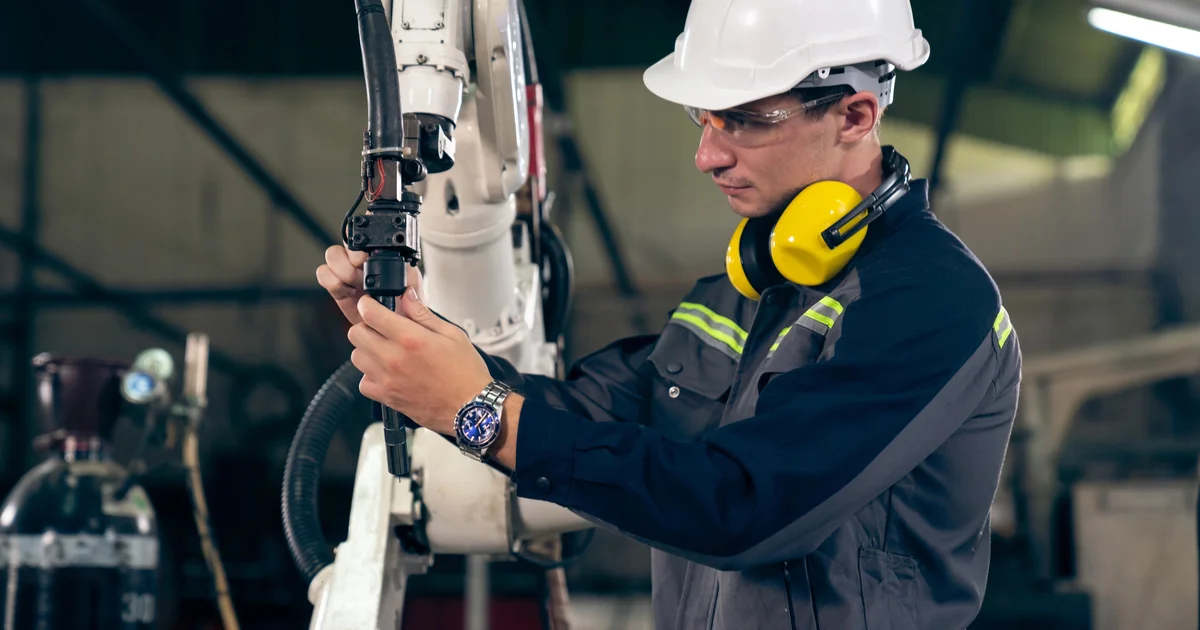
    Future development is based on new technologies, human development mentality and cooperation PHOTO: GZS

    Future development is based on new technologies, human development mentality and cooperation PHOTO: GZS

    By 2035, it will be clear whether Slovenia will be able to combine its advantages into a development breakthrough. The answer will not depend on one program, one government or one industry, but on the ability as a society to agree on a direction.

    It is a decision for a country that promotes development, connects the economy, science, education, the public sector and local environments, and returns the created value to people through better opportunities, quality jobs, public services and higher prosperity.

    Therefore, the discussion on economic development should not remain a marginal topic. It must become one of the central national priorities. Not because the economy is an end in itself, but because without a strong, innovative and competitive economy, there is no stable welfare state, long-term prosperity and confident future.

    How can knowledge, companies and people together create a more successful future for Slovenia? You are more about that read here.


    The customer of the advertising content is the Chamber of Commerce of Slovenia.


    Source link

    Related Posts

    Slovenians consider themselves very hardworking, but what do the official statistics show?
    Slovenia

    Slovenians consider themselves very hardworking, but what do the official statistics show?

    June 18, 2026
    During the day he tunes pianos, at night he breaks into safes
    Slovenia

    During the day he tunes pianos, at night he breaks into safes

    June 17, 2026
    Croatia also has its own Dead Sea
    Slovenia

    Croatia also has its own Dead Sea

    June 17, 2026
    Roma community: they expect concrete measures from the government, not just analyses
    Slovenia

    Roma community: they expect concrete measures from the government, not just analyses

    June 17, 2026
    The company of the Ljubljana city councilman cooperates with the municipality
    Slovenia

    The company of the Ljubljana city councilman cooperates with the municipality

    June 17, 2026
    A unique recognition for the Crystal Palace
    Slovenia

    A unique recognition for the Crystal Palace

    June 17, 2026
    Next Post
    Vidovdan retirement package – Economy

    Vidovdan retirement package - Economy

    POPULAR NEWS

    Markets are waiting for the determination of new interest rates

    Markets are waiting for the determination of new interest rates

    June 17, 2026
    Second round results Peru 2026 Elections: ONPE official count in Ica and electoral flash live today, June 7 | Keiko Fujimori | Roberto Sánchez |

    Second round results Peru 2026 Elections: ONPE official count in Ica and electoral flash live today, June 7 | Keiko Fujimori | Roberto Sánchez |

    June 17, 2026
    The National Council hosts a lecture on crime, security threats, and the repercussions of drugs and immigration on society

    The National Council hosts a lecture on crime, security threats, and the repercussions of drugs and immigration on society

    June 17, 2026
    Forecast casts doubt on government’s 100,000-job pledge | Yle News

    Forecast casts doubt on government’s 100,000-job pledge | Yle News

    June 17, 2026
    José Luis Rodríguez: ‘We were superior to Ghana, but they were forceful’

    José Luis Rodríguez: ‘We were superior to Ghana, but they were forceful’

    June 18, 2026

    EDITOR'S PICK

    PREMIUM Panorama NEW WINDS ARE BLOWING Has the era of ‘golden’ squares finally come to an end? What has been happening in the market for the last eight months shows that it is

    PREMIUM Panorama NEW WINDS ARE BLOWING Has the era of ‘golden’ squares finally come to an end? What has been happening in the market for the last eight months shows that it is

    June 17, 2026
    Tonga Parliament adjourned after MP raises allegation against Chief Justice

    Tonga Parliament adjourned after MP raises allegation against Chief Justice

    June 17, 2026
    Digital health: Siemens Healthineers and Mediot AI sign a strategic partnership – Today Morocco

    Digital health: Siemens Healthineers and Mediot AI sign a strategic partnership – Today Morocco

    June 17, 2026
    Drama: A policeman fatally stabbed his wife and committed suicide

    Drama: A policeman fatally stabbed his wife and committed suicide

    June 17, 2026

    Recent Posts

    • José Luis Rodríguez: ‘We were superior to Ghana, but they were forceful’
    • Pure 80s magic in paradise | Lifestyles
    • French Nobel Prize in Economics: AI will destroy jobs, but will end up creating economic growth
    • Grenadians leave their mark at 2026 NCAA Division I Championships

      © 2026 Agentially - Navigating shifting sovereignties and global risk .

      Welcome Back!

      Login to your account below

      Forgotten Password?

      Retrieve your password

      Please enter your username or email address to reset your password.

      Log In
      No Result
      View All Result

        © 2026 Agentially - Navigating shifting sovereignties and global risk .

        This website uses cookies. By continuing to use this website you are giving consent to cookies being used. Visit our Privacy and Cookie Policy.