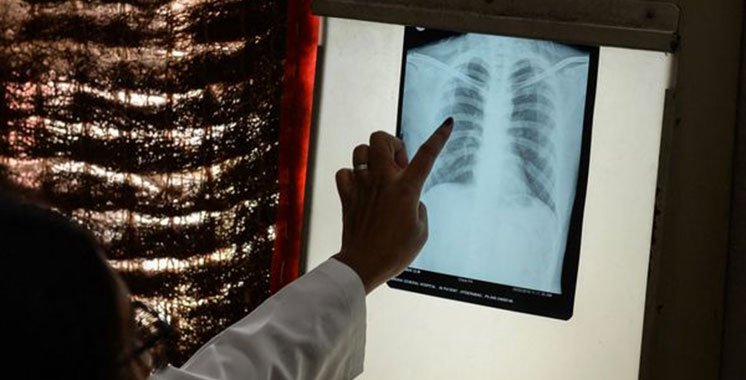
Health: The Ministry of Health will launch a study to examine the magnitude, distribution and determinants of costs borne by patients with tuberculosis and their households in Morocco in order to reduce catastrophic expenses and improve the economic efficiency of the system for caring for this disease.
The Ministry of Health and Social Protection will conduct a study on the catastrophic costs associated with tuberculosis (TB) in Morocco and their impacts on patients and their households. This analysis will help guide public policies towards better financial protection for patients and optimization of the organization of care. In a context of progressive strengthening of universal health coverage (UHC) and development of social protection mechanisms, it is essential to measure the real extent of this economic burden, to analyze its determinants and to identify the most exposed groups.
As part of this study, the aim will be to estimate the proportion of tuberculosis patients and their households, to analyze the structure of costs linked to tuberculosis, by distinguishing between direct medical costs, direct non-medical costs and indirect costs linked to loss of income. This study will make it possible to identify the main determinants of high costs, including the socio-economic, clinical and geographical characteristics of households and to evaluate the financial adaptation strategies implemented by households (debt, sale of assets, progressive impoverishment, dropping out of school, etc.). It will identify the most vulnerable groups, low-income households and populations in precarious situations. Operational recommendations will be issued to reduce catastrophic expenditure and improve the economic efficiency of the TB care system.
In Morocco, tuberculosis constitutes not only a major public health issue, but also an important determinant of economic and social vulnerability, disproportionately affecting the poorest households. Despite the free diagnostic and treatment services provided by the ministry through the National Tuberculosis Control Program (PNLAT), the management of TB generates significant costs for patients and their households, which are often underestimated.