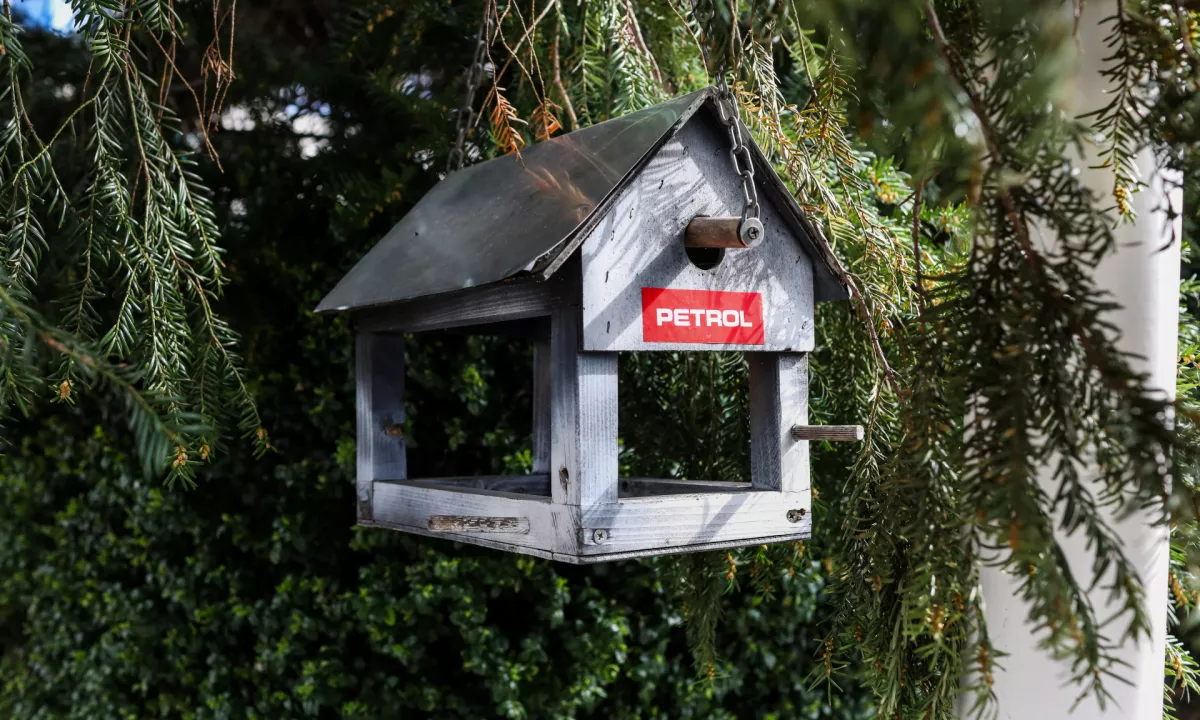
Did Petrol have an influence on the formation of the new parliamentary majority?
This question in the title should be asked in a democratic country regardless of who is in power, because the influence of large economic interests on politics is one of the fundamental questions of any democracy.
In recent weeks, information has become public about the contacts between Resnica president Zoran Stevanović, lawyer Marko Zaman and individuals from the Petrol circle. None of this information in itself proves tampering. Joint meetings, acquaintances and communication between politicians, businessmen and lawyers are not unusual. Slovenia is a small country and its circles of influence often overlap.
But a democratic public should also judge the bigger picture. The largest Slovenian companies are also centers of influence. Their business decisions affect thousands of employees, the national budget, energy policy and the development of the country. Therefore, it is quite understandable that their leading representatives have interests in the political decisions made by the authorities. The question, however, is where the legitimate advocacy of interests ends and where political influence begins.
In the case of Petrol, the public learned about several contacts between company representatives and the management of Resnica at the time when the future composition of the government was being decided. At the same time, it is no secret that relations between Petrol and the previous government were strained due to the regulation of fuel prices, energy issues and other economic decisions. It is also no secret that some owners and representatives of capital openly expressed their dissatisfaction with the politics of the time. Does this mean that Petrol influenced the formation of the new parliamentary majority?
There are clues, there are coincidences, there are networks of acquaintances, and there are open questions. Although there is a difference between an open question and a proven claim, the possibility of large economic interests trying to influence political processes should not be dismissed. We need to get a clear answer to the suspicions. The influence of the economy on politics is too important a subject to be left to conspiracy theories or to be swept under the rug. That is why it is the job of journalists to ask questions. The task of politics is to explain. And ours to demand answers from both.
And in my opinion, there are enough circumstances that the investigation of the Petrol issue is in the public interest.
Polona Jamnik, Bled