Through its platforms on social media, the Zaha Cultural Center launched an artwork represented by an Arabic coffee cup made of pottery, with an innovative artistic design that embodies one of the symbols of Jordanian heritage in a modern style, made by the hands of young men and women at the Zaha Cultural Center.
The video reviews the journey of making the cup, starting with planting the seed inside it, through the work of shaping pottery and drawing on it, all the way to its final form, in a creative experience that documents the interaction of young people with the stages of producing the work in an artistic spirit that reflects passion and belonging.
The work reinforces the values of belonging and pride in national identity, and carries an environmental dimension represented by the presence of a seed inside the cup that can be planted, indicating that great achievements begin with a small seed that grows with care and diligence until it bears fruit.
The work evokes the symbolism of the civilizations that flourished in Jordan and the region over thousands of years, where stories were documented on clay, while today a new generation of Jordanians tells their own stories using the tools of creativity, work, and persistence.
The Zaha Cultural Center confirms that this work, in its message, meets the determination, determination and ambition embodied by Al-Nashama, as Jordanian youth in various fields continue to write success stories that raise Jordan’s name high, whether in culture and arts or in sports and innovation.
The project comes as a result of the efforts of the Academy of Artistic Creativity to develop the artistic and craft skills of children and adolescents, and to provide them with the opportunity to transform their ideas into creative products that embody Jordanian heritage in a modern spirit that combines authenticity, innovation and sustainability.
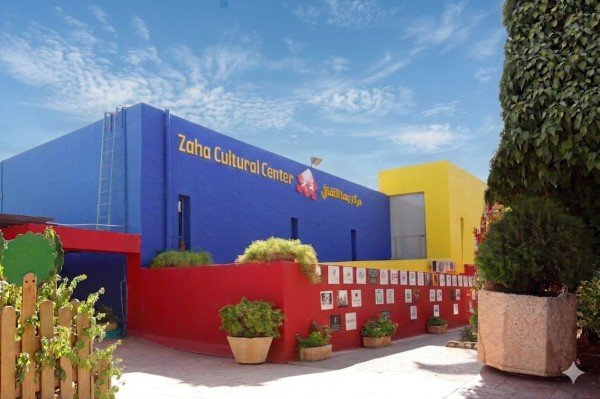
The Zaha Cultural Center is one of the cultural centers spread in the capital, Amman, and the governorates of the Kingdom, as the number of its branches reaches (25) centers within the Royal Initiatives. The Center continues, through the Academy of Artistic Creativity, to provide a stimulating environment for creativity, learning, and artistic production, which contributes to developing the skills of children and adolescents, strengthening their connection to the Jordanian cultural identity, and enabling them to express their creativity.