
Technology creates new art forms and destroys others. The printing press boosted literature and caused the artistically illustrated manuscripts to disappear. The cinema replaced the variety stage. Today, a popular technological tool threatens another sophisticated craft. The art of the opening credits sequence on television. The danger comes from the small “Skip intro” button, which you click almost reflexively. This is changing how stories are told and consumed on screen.
TV opening credits once consisted of simple panels with static text. In the 1950s they evolved into prologues that introduced characters and their trademarks: “It’s a bird! It’s a plane! It’s Superman!” shout the astonished audience in the opening sequence of “The Adventures of Superman”.
The opening credits integrated cute animations (like in “Bewitched”), split-screen effects (The Brady Bunch) and stunts (such as the much-imitated slide over the hood in “A Duke Seldom Comes Alone”). Many were accompanied by catchy melodies that became catchy tunes, such as the finger-snapping theme music from “The Addams Family.”
Summaries, mood generators and commercials at the same time
This art form reached its peak in the age of prestige television at the turn of the millennium. In the opening credits of “The Sopranos,” the main character Tony appears between cigar smoke and in the rearview mirror of a car. It is close and yet elusive, as it remains over six seasons. The falling figure in “Mad Men” embodies both glamor and psychological decay. Perhaps most striking is the eerie imagery of the first season of “True Detective”: a succinct montage of its Louisian themes – dirt, pollution, faith, guilt and downright strangeness.
Such clever introductions are both a compliment and a boast. Your time is so valuable, flatter the audience, that even the end credits will be exquisite. The boast refers to the series itself, for which implicitly only a lofty introduction seems appropriate. They are summaries, mood-setters and commercials all at the same time – clever enough to pique the curiosity of new viewers and resonate with returning viewers. Like the overture of an opera, they are an integral part of the drama.
Barrier to binge-watching
Some of these series originally aired without commercial breaks, which made room for extended opening credits. But the demands of streaming are changing the situation. Advertising is slowly returning and making broadcast time scarcer again. At the same time, title sequences represent an obstacle to so-called binge-watching. Fans who watch several episodes in a row do not have to be reintroduced to the plot every hour. Many just want to keep watching.
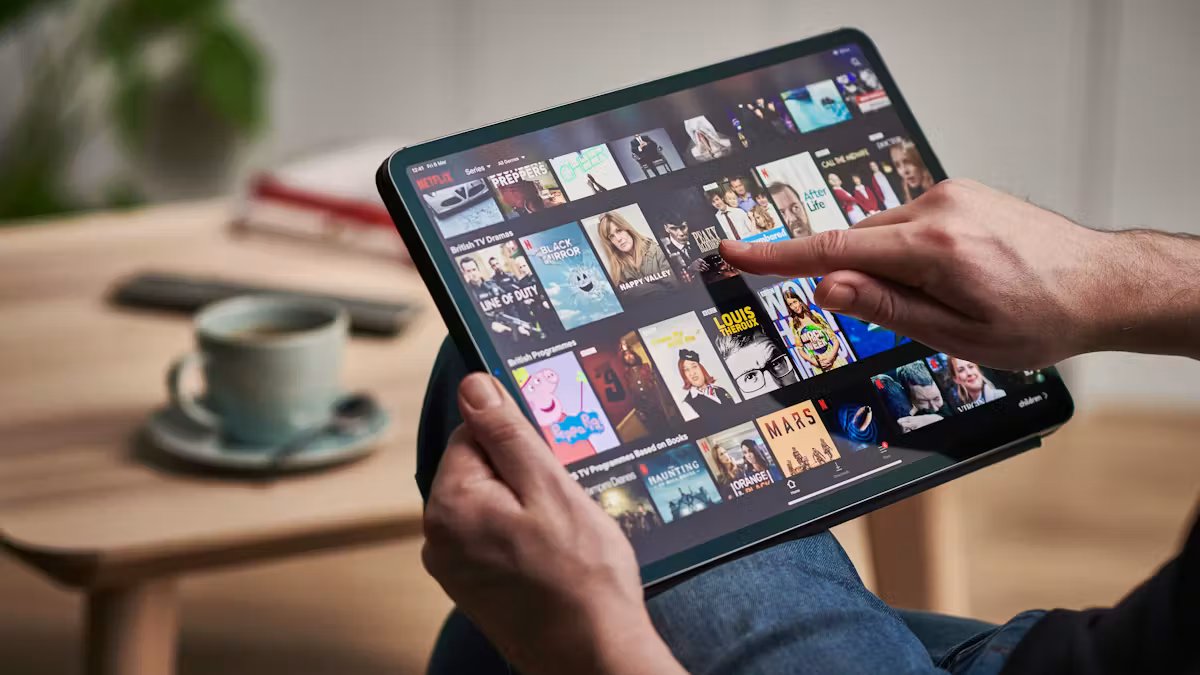
Thanks to the “Skip intro” button, they can. Netflix noticed that users were fast-forwarding the opening credits manually anyway and introduced the feature in 2017. Other streaming services followed suit. As early as 2022, Netflix users clicked the button 136 million times a day. Since then, skipping intros has continued to accelerate. Across the entire BBC iPlayer offering, the feature was used around twice as often in March as two years previously. Usage has increased significantly in the last six months alone. This growing impatience does not bode well for elaborate opening credits. “That’s really bad,” says a representative of this haiku-like genre.
Shortening undermines cliffhangers
Longer opening credits are still being broadcast. The most sophisticated ones function as a game or puzzle, such as the opening sequence of “The White Lotus,” in which suggestive images disappear just before you can decipher them. But shorter alternatives are on the rise. In “Pluribus,” a science fiction parable, the title is formed from eerily swirling dots – nothing more happens. Some series even return to the simple title panels of yesteryear. In “The Pitt,” a hospital drama, this approach fits the sober, realistic atmosphere. “Steal,” a thriller about a robbery, shows only a brief flash of its title.
In what is probably the most famous title sequence of all, a man in a tuxedo is shot through the barrel of a gun. The opening credits of James Bond will endure, as will other examples in cinema where audiences are captivated. But as such sequences become increasingly rare on television, something is being lost. It’s not just that – like in the new season of “The Night Manager” – they can perhaps be the best part of a series. Their shortening undermines cliffhangers: When the next episode begins immediately, there is hardly any time to remain in suspenseful anticipation.
Demand for immediate availability
What’s more, opening credits can be a kind of magic; If you reject them, you may miss the magic. Like flying on vacation or getting dressed for a party, a title sequence is a moment of transition. It takes you out of your own world – sitting exhausted on the sofa after the children have been put to bed – into the imaginary world of the series, be it a seedy 1960s office or a crime scene somewhere in Cajun country. It is a threshold at which one consciously suspends one’s skepticism.
Like making phone calls and shopping, watching TV has become immeasurably easier today. Nowadays you can choose from a wide range of programs spontaneously. But somehow this acceleration has only made people more impatient; the desire for immediate availability seems insatiable. When you’re constantly in a rush, transitions get skipped and nothing feels special anymore.

From Economist.com, translated by 20 Minutes, published under license. The original article in English is available at www.economist.com.