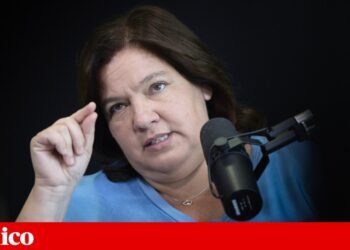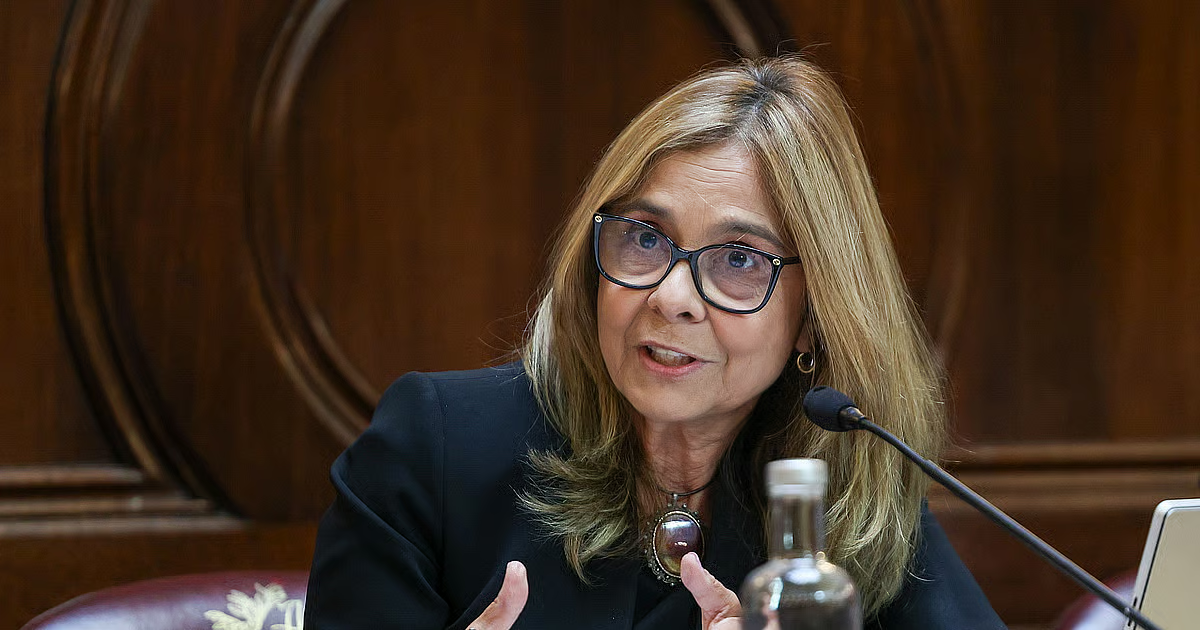
Heard in the Assembly of the Republic this Wednesday, June 3, the Minister of Health, Ana Paula Martins, acknowledged that the number of patients operated on decreased by around 5% in the first months of 2026, but justified this reduction in surgeries carried out in the National Health Service (SNS) with the sharp drop in additional productionarguing that the Government chose to reinforce supervision and transparency of the system, even admitting temporary impacts on waiting lists.
In a regulatory hearing at the Health committee, the minister highlighted that surgical activity carried out during normal hours increased by 2%: “It is true that there was a 5% reduction in the number of patients operated on, a trend that began last year and continued in the first months of this year. But it is important to tell the whole truth: the basic surgical activity of hospitals increased by 2%.”
Ana Paula Martins reiterated that the reduction was “solely” due to this drop in additional production, which fell by 20%, as a result of the measures adopted during the flu outbreak and the reinforcement of rules following the irregularities detected by the General Inspection of Health Activities (IGAS). “It results from a decision that this Government will not give up, demanding strict compliance with the rules”, he said, quoted by the newspaper Observer. The minister defended that the Executive prefers “a transparent and auditable system” than “maintaining practices that could compromise the trust of the Portuguese in the SNS, even if it has a temporary impact on waiting lists”.
To avoid new imbalances, the minister announced that the Government has already concluded an ordinance that conditions the performance of additional surgeries to prior compliance with minimum levels of basic surgical activity. “When these levels are not reached, there will be no room for additional production,” he stated. The new regulations also provide for the standardization of rules between hospitals and establish that “the same surgical procedure will have the same price”, regardless of whether it is carried out in an SNS unit, in the private sector or in the social sector.
At the parliamentary hearing, Ana Paula Martins also highlighted the results of the reorganization of obstetric emergencies, revealing that the births and admissions in the Setúbal Peninsula increased by more than 40% in 2026 compared to the activity previously carried out. “No woman was left without care”, he assured.