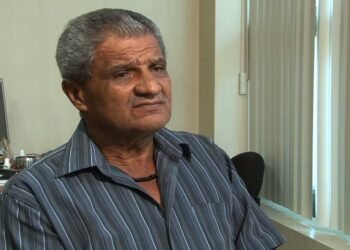
After years of uncertainty and demands from their families, the dictatorship provided “proof of life” for two political prisoners who were in a condition of forced disappearance: that of the Miskito indigenous leader Brooklyn Riverawho appeared bedridden in a hospital bed with mechanical ventilation through a tracheostomy and intravenous feeding, and that of Angélica Chavarría Altamirano, reading a text about supposed “dignified treatment.” The images were broadcast by their propaganda media in less than a week and show the cruel and inhuman treatment of political prisoners.
Both were part of a list of 11 political prisoners who — as of March 31, 2026 — were in a condition of forced disappearance, according to records of human rights organizations.
They were detained arbitrarily, without a court order and in police operations. They remained incommunicado, without the right to visits or regular contact with their families, forced to ask for “proof of life” to confirm that they were still alive.
Amid international complaints and pressure to find out where they are, the regime has relented in publicly displaying some political prisoners, with photographs or videos that they broadcast through their official channels.
He May 27, 2026, after 971 days in forced disappearancethe dictatorship released images of Rivera emaciated and prostrate in a hospital bed, when he was on the verge of death, where he remained on mechanical ventilation through a tracheostomy and receiving intravenous nutrition due to “multiple organ failure, cirrhotic liver and lung infection,” according to a statement from the regime.
Since his capture on September 29, 2023, the regime ignored the multiple requests from his family and the campaigns promoted by human rights organizations in Nicaragua that asked for “proof of life.” Amnesty International, the United Nations Group of Human Rights Experts on Nicaragua and the Office of Western Hemisphere Affairs of the United States Department of State joined the lawsuit.
Retaliation against his family
The indigenous leader died in state custody on May 30, 2026 at 8:30 p.m., as confirmed CONFIDENTIAL. Rivera remained in illegal confinement for more than 970 days and the dictatorship confirmed his death a day later.
After keeping his body in police custody, he ordered his burial in Managua and ignored the request of his daughter Tininiska Rivera, that the body be given to her to be buried in Sandy Bay, as was the will of the indigenous leader.
Since May 31, 2026, at least six of Rivera’s relatives remain missing, when they traveled from Bilwi to Managua to claim the body of the indigenous leader. Among the six people detained are close family members and people in their immediate environment: their sister, Alda López Bryan; his nephews Kurney Valle Bushy and Jorbis Hendy López; and his friend Jorge Webster Rojas.
In addition, Florencia Sarmiento, who worked as Rivera’s cook; and Glenis Panting Coleman.
Political prisoners who remain in forced disappearance
Forced disappearance is a serious violation of human rights and has become a tool of repression by the regime of Daniel Ortega and Rosario Murillo, aimed at punishing and keeping both people detained for political reasons and their families under uncertainty.
The Mechanism for the Recognition of Political Prisoners continues to demand from the dictatorship: the “immediate presentation of proof of life”, cessation of torture and total release of prisoners of conscience.
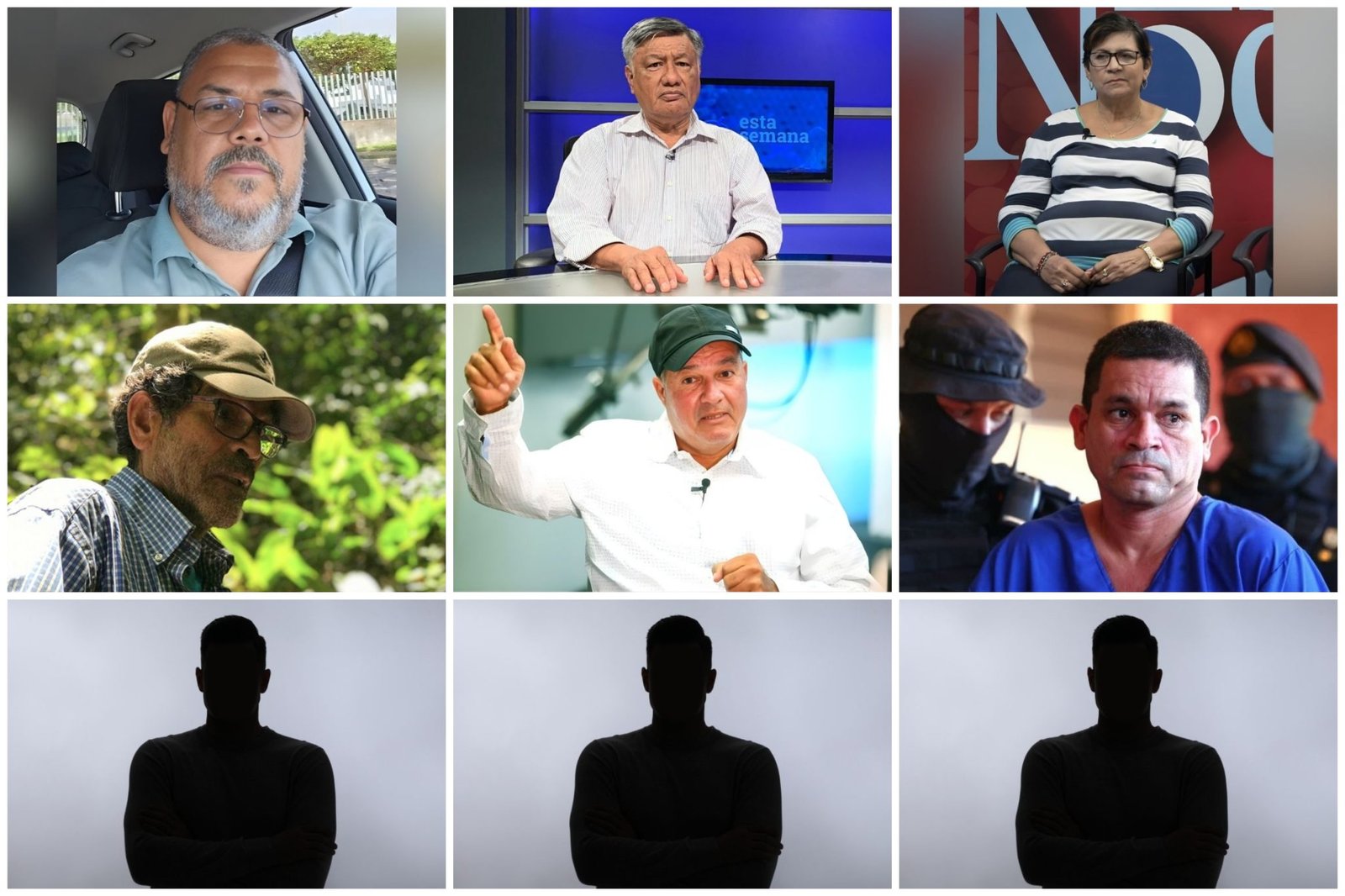
There are still 47 political prisoners in the country, and of 9 their whereabouts and conditions are still unknown, including two who remain anonymous for “security reasons.”
These are the political prisoners who continue without proof of life:
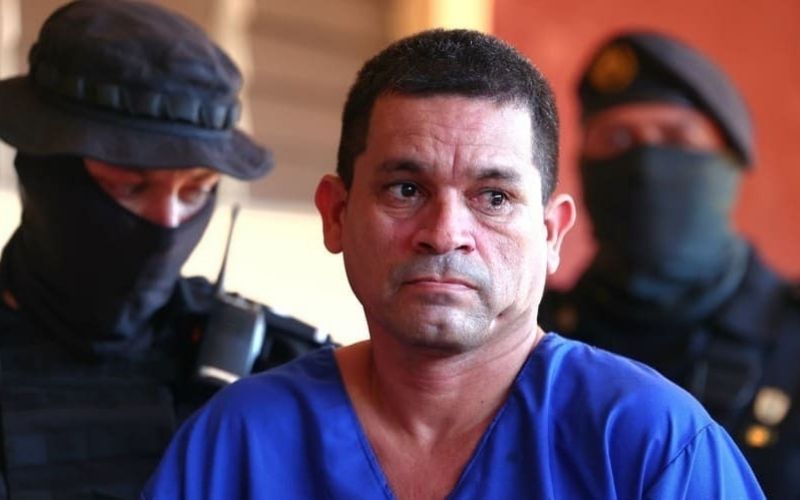
Douglas Gamaliel Alvarez
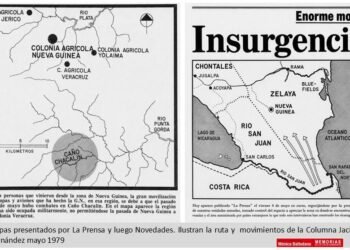
He is a former member of the Contra and originally from El Castillo, in Río San Juan. He was extradited from Costa Rica on February 16, 2024, but since his public presentation by the Police, nothing has been known about him. Human rights organizations have carried out media campaigns asking: Where is Douglas Gamaliel?
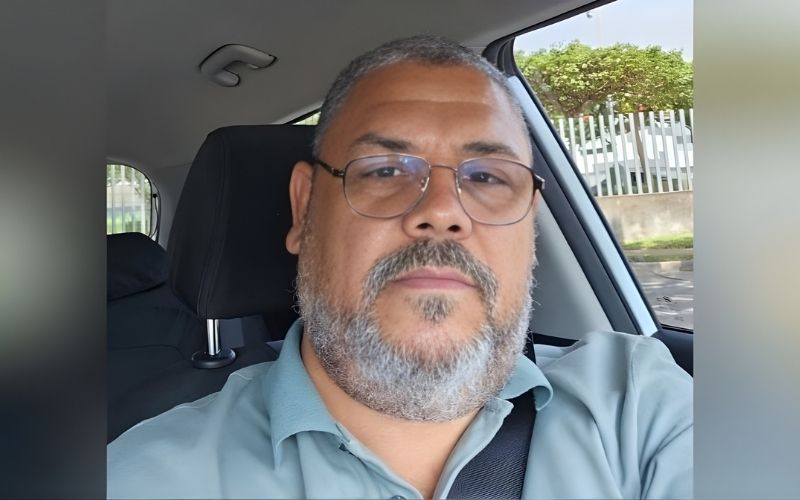
Victor Boitano Coleman
The retired Army Colonel has been in forced disappearance since April 23, 2024 when he was detained in Managua. “Everyone has a family. They all have children, wives, mothers, brothers who suffer every day because they don’t show them to us,” denounced on May 25, 2026, Eugenia Valle Olivares, wife of the political prisoner who asked for a “faith of life.”
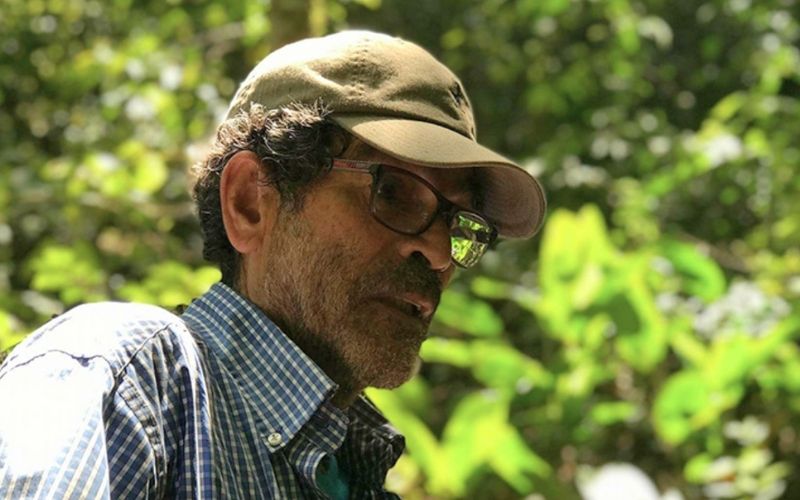
Eddie González Valdivia
Since his arbitrary capture on July 14, 2024, human rights organizations have called for his release. The retired soldier and university professor is accused of aggravated murder in frustration and other crimes.
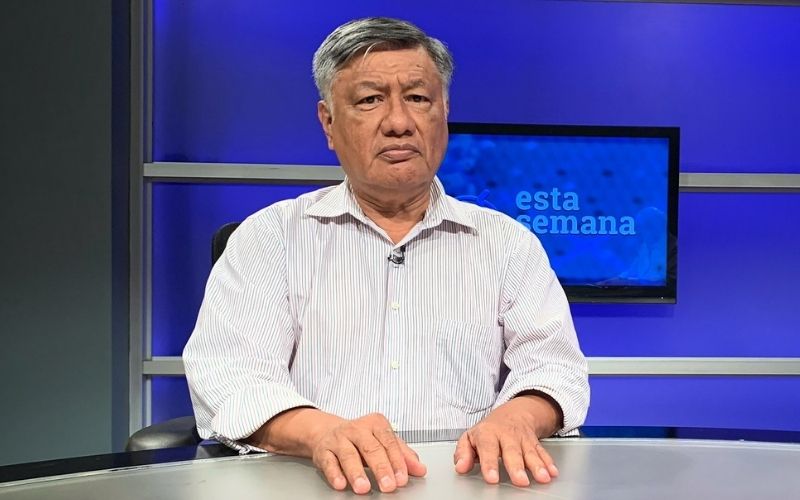
Carlos Ramon Brenes
He is a former guerrilla of the Sandinista Front. He is a retired Army colonel, founder of the Patriotic Group of Retired Military. He was captured on August 14, 2025 and sentenced to 15 years in prison for the alleged crime of “treason against the country,” according to a resolution of “urgent measures” released by the Inter-American Court of Human Rights (IA Court).
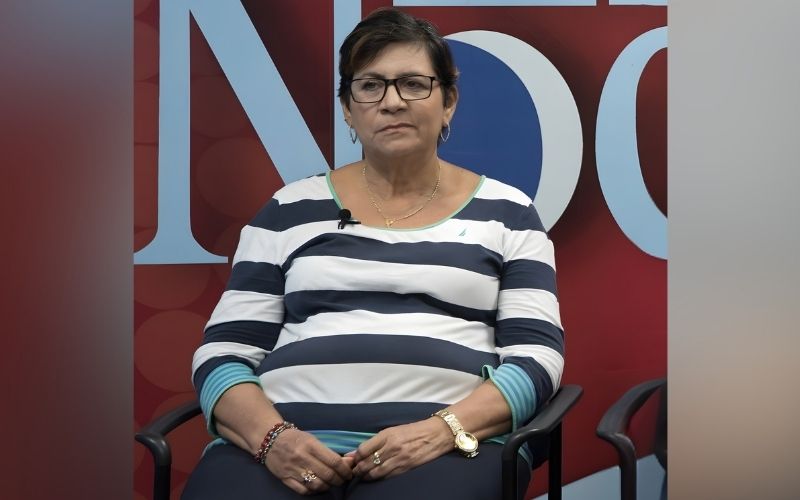
Salvadora Martínez Aburto
The regime has refused to provide “immediate proof of life” for the political prisoner, who was arbitrarily detained on August 14, 2025 along with her husband, Carlos Brenes. In 2018 she denounced her husband’s arrest, and raised her voice for his freedom.
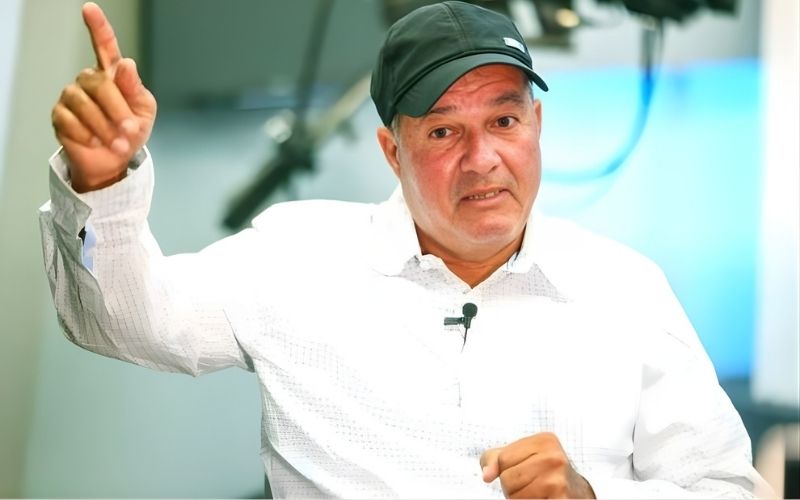
Steadman Fagoth Müller
Miskito leader, former political ally and former presidential advisor to Daniel Ortega. The Nicaraguan Army confirmed that it detained him on August 14, 2024 in Waspam and then handed him over to the Police. In March 2025, the Inter-American Court of Human Rights (Inter-American Court) ordered his release.
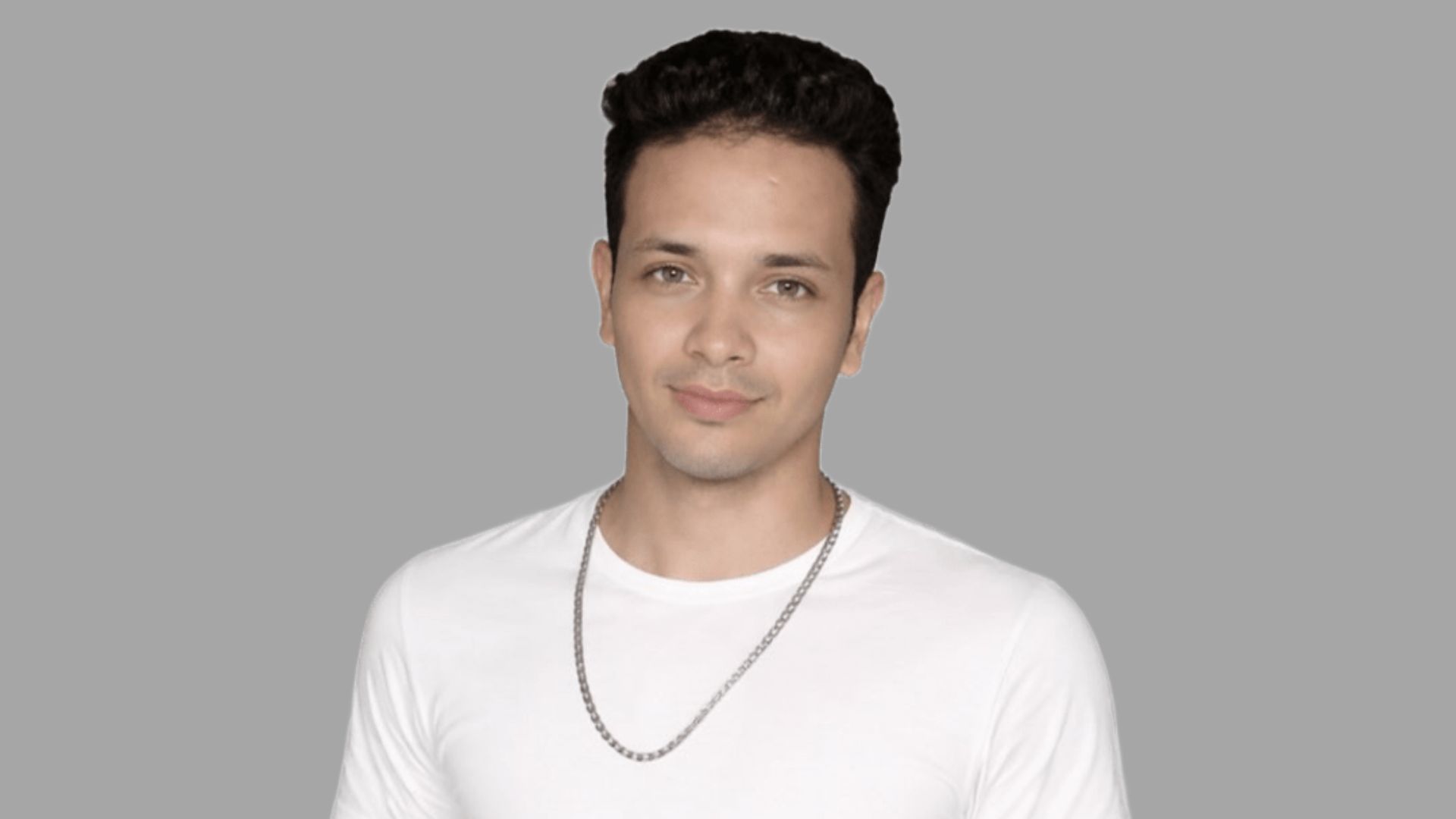
Larry Martínez Romero
He was captured on August 13, 2025. He is a bricklayer, participated in the 2018 protests and had already been a political prisoner.
The “proof of life” delivered by the dictatorship
The regime has provided “proof of life” in the following cases, after months or years of complaints and demands from their families:
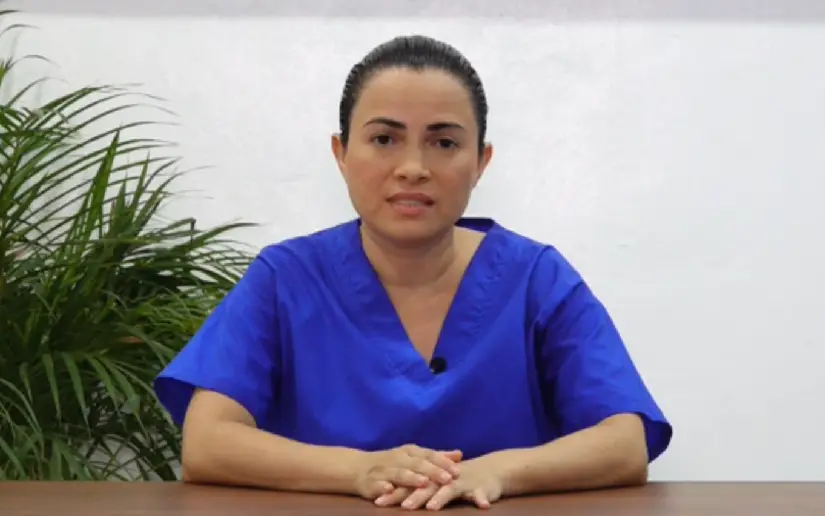
Angelica Chavarría Altamirano
After spending two years in complete incommunicado confinement, on May 22, 2026, the Ministry of the Interior (MINT) released a statement stating that Chavarría, captured on May 19, 2024, is being held in the National Penitentiary System. The political prisoner appeared in a video saying that she has been “treated with dignity.” For two years, his family always heard from the Police: “stop searching.”
Bayardo Arce Castaño
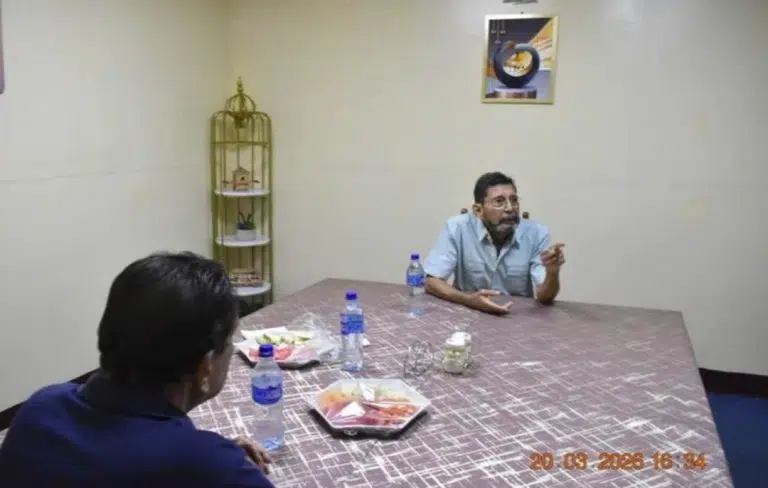
On March 22, 2026, the dictatorship released photographs of a meeting of the former Sandinista commander with his brother Gerardo Arceformer magistrate of the Supreme Court of Justice, carried out on March 20. Six sons and daughters had demanded “public proof of life” of the former presidential advisor on Economic Affairs, arrested on July 30, 2025 and convicted of the alleged crime of “money laundering, in the form of defrauding the State of Nicaragua.” In February 2026, the Mechanism added him to its list of political prisoners.
Fabiola Tercero Castro
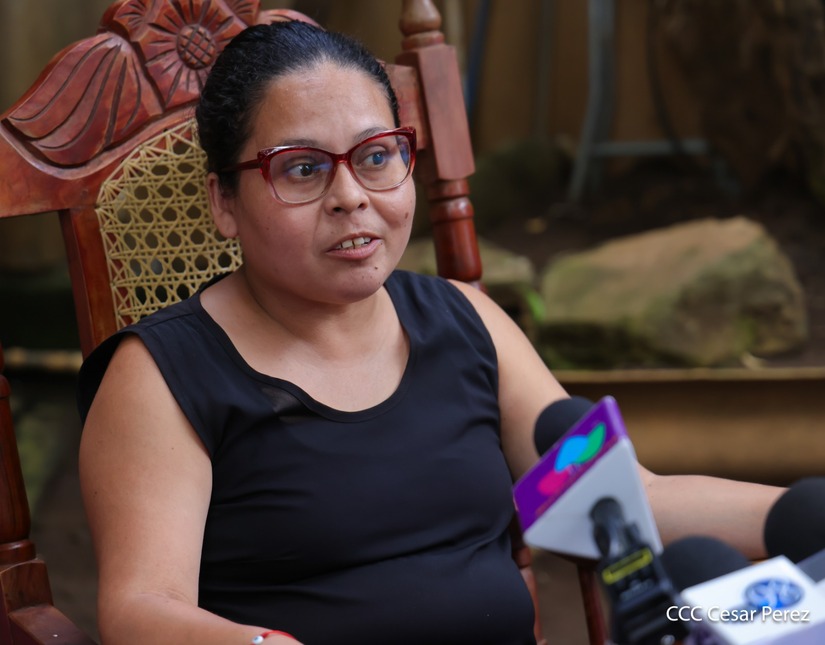
He remained in a condition of “forced disappearance” since July 12, 2024, when a group of police officers raided his home in Managua. In July 2025, one year after her detention, the United States Government demanded the regime release the journalist. On November 11, 2025, The regime’s propaganda media showed her with her mother Rosalinda Castroand in an interview he assured: “Here I am with my mother (…) I am here at home, I am not missing, I have never been.”
Yerri Estrada
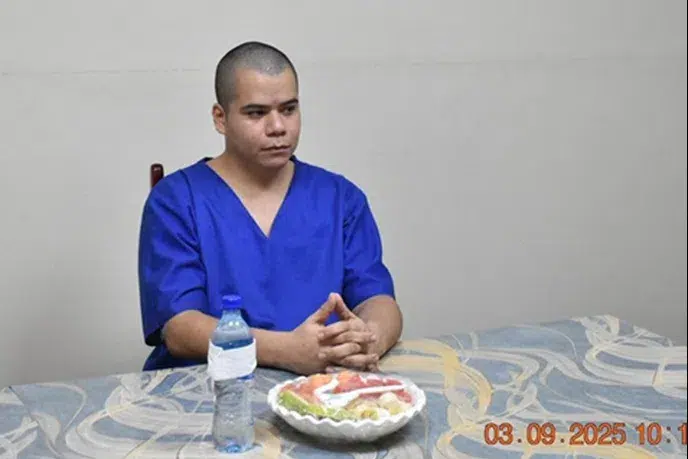
His mother, Rosa Ruiz never stopped demanding answers about the whereabouts and the situation of his son, the Tico-Nicaraguan doctor imprisoned on August 13, 2025. In the midst of official silence, Estrada religiously maintained his complaints on Facebook until on September 12, 2025, the regime offered proof of life. In November 2025 he was sent “home from prison” to his home in León.
Sent “home to jail”
In December 2025, the Mechanism for the Recognition of Political Prisoners In Nicaragua it identified 28 people in conditions of forced disappearance.
However, between January and February 2026, the regime released political prisoners. At least 19 people who were on the Mechanism’s list were released, including the following, who remained in a condition of forced disappearance:
- Rafael Enrique Acevedo Guevara
- Armando José Bermúdez Mojica
- Marvin Antonio Campos Chavarría
- Chester Jaramil Cortez Narváez
- Oscar Gadea Tinoco
- Olga María Lara Rojas
- Pedro José López Calero
- Alder Fabián López Luna
- Erick Antonio Mercado López
- Harold Santiago Miranda Espinoza
- Rudy Antonio Palacios Vargas
- Jessica María Palacios Vargas
- Ambrosio Concepción Rivera
- José Leónidas Rizo
- Mario José Rodríguez Serrano
- María José Rojas Arburola
- Oscar Enrique Velázquez Sánchez
In November 2025, the regime secretly released the following political prisoners who spent months in the same condition:
- Leo Catalino Cárcamo Herrera
- Julio Antonio Quintana Carvajal
- Fabio Alberto Cáceres Larios
The regime did not provide public information about the releases or the legal conditions under which they were carried out. However, human rights organizations claim that they must periodically sign in at police stations and have mobility restrictions under “house for prison” or “municipality for prison” conditions.