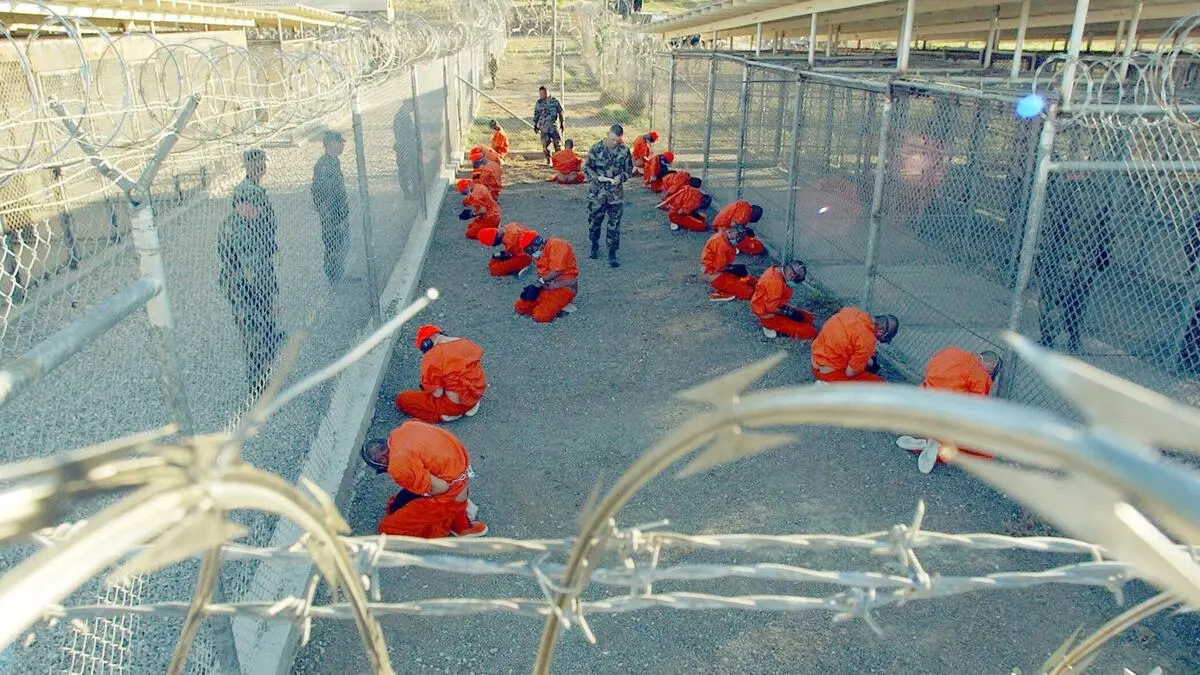
The images are burned into the public’s consciousness: men in orange pants and T-shirts, with bowed heads, close-shaven hair, kneeling on the gravel ground, their arms secured with handcuffs. Kept like animals in a cage made of chain link fence, guarded by soldiers in camouflage uniforms. These images are strongly symbolic and synonymous with the Guantanamo internment camp, which the USA built in 2002 on the site of its military base in southern Cuba as a result of the terrorist attacks of September 11, 2001.
The center is dedicated to the life stories of the prisoners, everyday life in the camp and the importance of the facility beyond the prison walls Inter-American Studies (Center for Inter-American Studies, Cias) at the University of Graz. The issue is not approached from a one-track legal perspective – a large number of the almost 800 prisoners at its peak were imprisoned without proper legal proceedings – but rather follows a holistic cultural studies approach.
“Camps now play a role around the world not only as places of detention, torture, isolation and rejection, but also as a subject of contentious debates about migration, belonging, due process, deportations and basic human rights,” Nicole outlines Haring the motif. Haring is a literary and cultural scientist at Cias and organizer of the third conference on the topic (see info box). The conference, which is taking place at the beginning of June this year, had a pioneering character right from the start: for the first time in 2022, former Guantanamo prisoners met outside the Cuban prison walls in Graz. 15 prisoners are still imprisoned despite massive international protests and calls for the camp to be closed. The USA continues to use the emotionally charged Guantanamo as an example of its rigorous law-and-order policy.
“By giving the life stories of ex-prisoners a stage and documenting their tools of resistance, for example through artistic activities such as painting or literature, we humanize history,” says Haring, describing the scientific counterpart to politics: “Their testimonies are an essential anchor that helps both to understand what they have been through and to redesign the future, as they have transformed their stories into places of reflection, learning and transnational solidarity.” It is therefore by no means a matter of political activism, but rather of analyzing the mechanisms and establishing the general importance of such institutions as a geopolitical instrument.
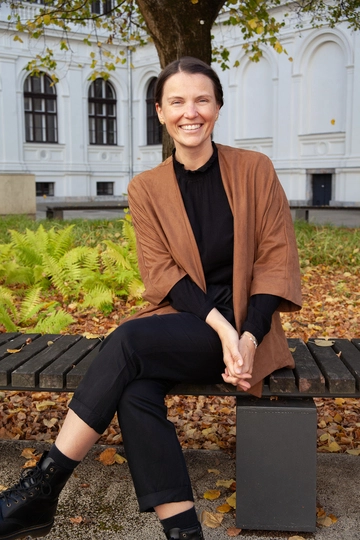
“If places arise where torture is possible, this must be seen as a warning,” says cultural scientist Nicole Haring. Julian Murillo
The focus is on looking at the big picture, says Haring. “An unprecedented number of people around the world are being held in camps and camp-like facilities – in refugee camps, detention centers, military facilities and a variety of other everyday places such as parks, hotels, schools and ships that have been converted into places of detention,” the Graz conference organizers explain their background.
“When places like this arise where torture and imprisonment without trial are possible, it must be seen as a warning about what is possible,” says Nicole Haring. She is primarily concerned with the potential danger for democracies and an understanding of the “banality of evil” as well as the question of consciously looking the other way. “Because the facts and actions are available with a high degree of transparency or are documented.”
This is currently the approach of the US immigration authorities ICE and the imperial claims to power of President Donald Trump – from the renaming of the Gulf of Mexico to the “Gulf of America” to the ouster of the Venezuelan head of state and the increasing threats against Cuba, not only are inter-American relations being turned upside down.
But the circles continue to grow – and they also affect them EUwhere reception centers and outsourced surveillance protection push known boundaries, both internally and externally. For Haring, this raises, among other things, the question of the resilience of democratic structures. In this regard, research rubs shoulders, among other things, with the radical utopia of a prison-free society. “When will we reach the tipping point where we believe we have to lock people away in order to feel safer as a society?” asks Haring.
Shortly
At the meeting “Camps, Belonging, and Abolition Democracy“ A hundred international speakers, including former Guantanamo prisoners and human rights activists, will be dedicating themselves to the topic of prisons from June 4th to 7th at the University of Graz. The event takes place in cooperation with the University of Puerto Rico.