
For ages, it wasn’t Personal hygiene concepts As we know it today, it is available or understood in the same way, so man was forced to invent primitive and sometimes shocking means to maintain his cleanliness, and while these practices seem to us today strange and even horrific, they were a natural part of daily life in previous times, from the use of unexpected materials for cleaning, to strange recipes for body care. History reveals an unfamiliar side of… Human habitsThe Seventh Day reviews the most prominent of these surprising practices, and highlights how concepts of cleanliness have evolved over time, according to what was published by the “mentalfloss” website.
Corn cobs are an alternative to toilet paper
In times when toilet paper was not available, early American settlers resorted to using corn cobs as a means of cleaning up after relieving themselves. Although the idea was strange, it was considered a practical option at the time, and its use continued in some rural areas until the twentieth century. The alternatives were not limited to that, as newspapers, agricultural almanacs, and printed materials were used as other solutions, in an attempt to adapt to the lack of resources.

Using corn as toilet paper
Ostrich eggs to remove unpleasant odors
In ancient Egypt, it appeared Unconventional recipes To combat body odor, including the use of ostrich eggs as a deodorant, some recipes were based on roasting the eggs with other ingredients such as tortoise shells and aromatic plants, then using the mixture on the body. Some also resorted to mixing incense with porridge and forming them into balls to place under the armpits. Despite the strangeness of these methods, they reflect early attempts to pay attention to personal hygiene with the means available at the time.
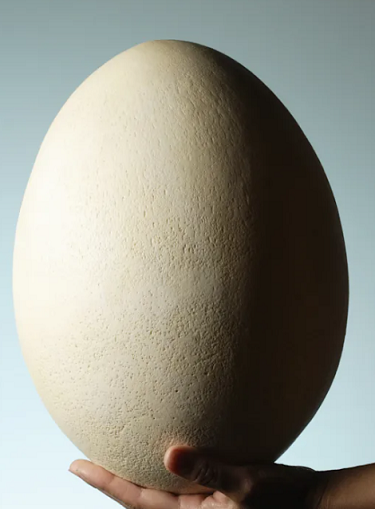
Use ostrich eggs to remove unpleasant odors
Perfumes made from animal fats
It wasn’t Perfumery It reached its current development in ancient times, where some civilizations relied on the use of animal fat as a basis for extracting scents. In ancient Rome, a method was used that relied on placing flower petals on top of layers of cow or sheep fat, and leaving them for a period until the fat absorbed the aromatic scents. With the repetition of the process, this fat turned into an aromatic substance used for perfume, which is A method that has lasted for centuries Before being replaced by more advanced technologies.
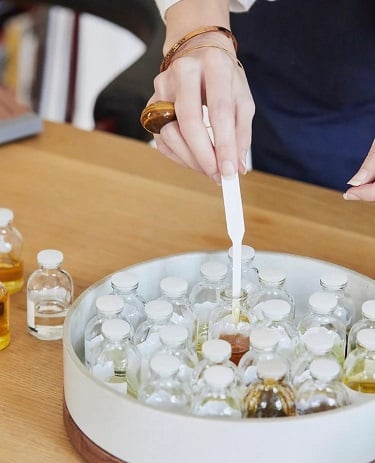
Perfumery
Brushing teeth with harsh ingredients
Although some ancient civilizations paid attention to oral hygiene, the methods used were very harsh compared to what we know today. The ancient Egyptians used a mixture of the ashes of burnt ox hooves, egg shells, and other abrasive materials to clean the teeth. This mixture was applied using the fingers, in the absence of a toothbrush. Although these methods helped in removing dirt, they could cause damage to the teeth in the long term.
Mouthwash from urine and goat milk
from The most unusual practices In history, some ancient Romans used mouthwash made from urine and goat milk to maintain the whiteness of teeth. Although it is difficult to accept this idea today, they believed that these materials were effective in cleaning and whitening. This custom reflects how different health concepts were in ancient times, compared to what modern science has found of safer and more effective methods.

Mouthwash made from goat milk