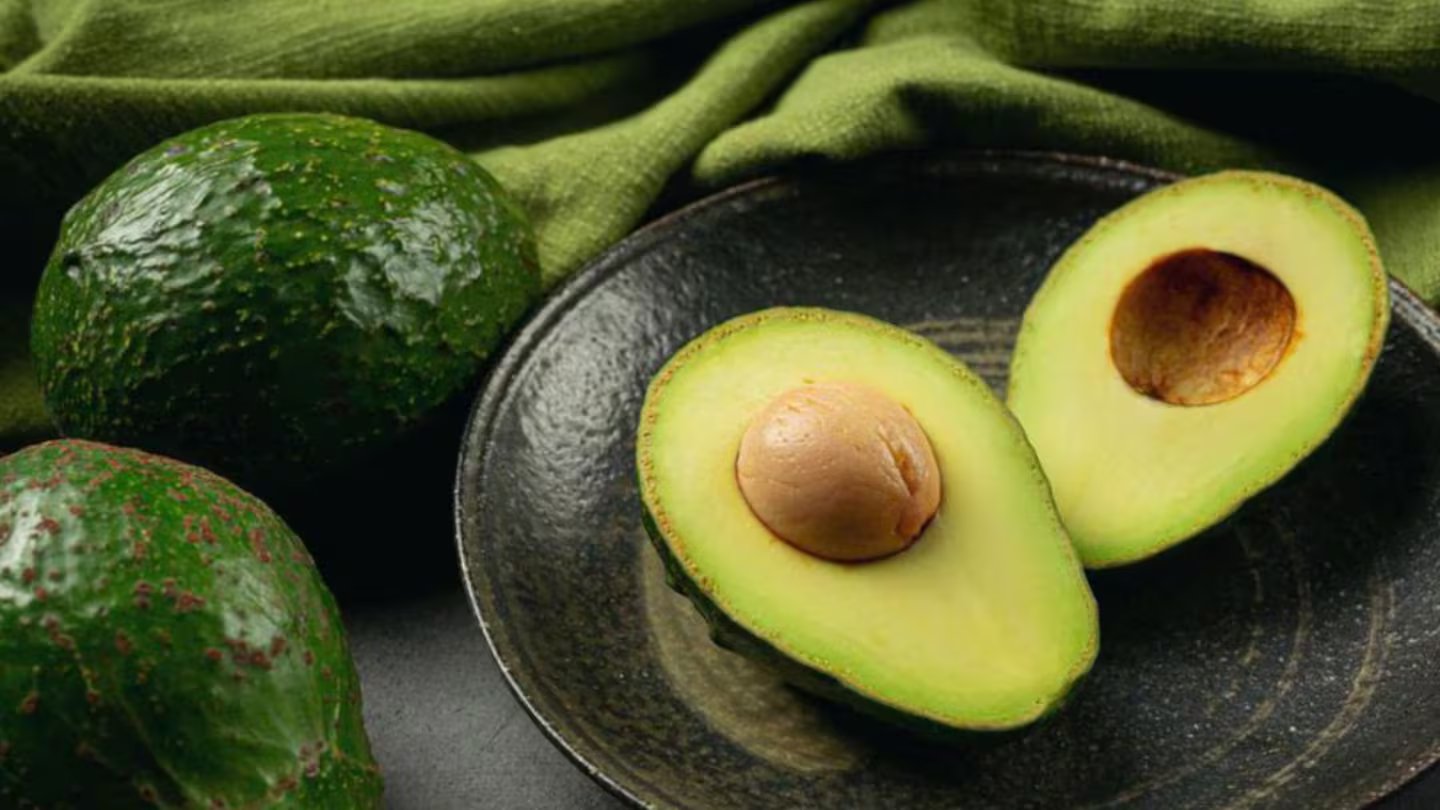
He avocadowith its creamy texture and intense green color, became an essential ingredient in everyday dishes and gourmet preparations. Its high content of healthy fats, fiber and vitamins makes it a functional food. However, Not all people should consume it without restrictions.
This fruit comes from the avocado tree, which grows in subtropical areas of Central America. It can reach up to 20 meters in height. The most common varieties are Hass and Pinkertonboth small in size and rough skin.
The Dietary Guides for the Argentine Population They recommend including avocado once a week as a substitute for oil. Half a small unit can replace a tablespoon of oil.
It can also be used in baking as a replacement for butter, providing creaminess and less saturated fat.
These are 4 benefits of avocado for your health
The Argentine nutrition graduate Sol Vásquez explains that the avocado It is a very complete food: it provides healthy fats, especially monounsaturated, as well as fiber, potassium, magnesium, vitamin E, C and other antioxidants.. “It is one of those foods that gives you pleasure to eat and, at the same time, doing so gives you health.”
1. Promotes digestion
The Spanish Academy of Nutrition and Dietetics indicates that avocado contains 6.3 grams of fiber and 76.4 grams of water per 100 gramswhich contributes to prevent constipation. Its regular consumption helps maintain a healthy digestive system.
2. Improves cholesterol
The Mayo Clinic pointed out that the fiber in avocado can raise HDL (good) cholesterol and improve the quality of LDL (bad). The institution recommends consuming two servings per week to promote this effect.
3. Strengthens the immune system and the brain
According to the Spanish Nutrition Foundationa medium avocado (200 g) provides between 33% and 38% of the recommended vitamin B6 in adults with moderate physical activity. This vitamin is essential for brain, nervous system and the body defenses.
4. Protects cardiovascular health
Researchers of Harvard T.H. Chan School of Public Health They analyzed 30 years of data from more than 111,000 people. Those who ate one avocado per week had a 16% lower risk of cardiovascular disease and a 21% less coronary heart disease. The benefits were greatest when avocado replaced foods such as margarine, butter, full-fat dairy products, processed meats or eggs.
Who should be careful?
The monounsaturated fats in avocado, similar to those in olive oil, help improve lipid profile and reduce inflammation. However, due to its energy density, it is recommended moderate the amount.
People with advanced kidney failure They must be careful, since avocado provides high amounts of potassium. In other cases, it is considered a food safe and recommended.
*The creation of this content was assisted by artificial intelligence. The source of this information is from Grupo de Diarios América (GDA) media and reviewed by an editor to ensure its accuracy. The content was not generated automatically.