Algerian engineer Mahmoud Hamra Kroha contributed to laying the first building blocks for the oil industry in Abu Dhabi, before his name turned into an almost forgotten page in the UAE’s official memory. Who is this Algerian economist who was associated with the phase of establishing the hydrocarbons sector in the emirate? However, the story of Hamra Kroha does not stop at this role, but also opens the file of ingratitude and ignoring the contribution of Algerian talents, at a time when the UAE is taking positions that have fueled tension and strife in the region, especially towards Algeria.
Today, the paradox seems more acute, after Algerian-Emirati relations have moved to… Diplomatic ruptureOn September 10, 2026, Algeria announced the severing of its diplomatic relations with the UAE, stressing that it had exhausted all means necessary to maintain bilateral relations, and pointing to what it described as “provocative and hostile actions” on the part of Abu Dhabi.
Thus, the question becomes more interesting: How did the relationship move from sending Algerian expertise to contribute to building the Emirati oil industry to a complete political rupture between the two countries?
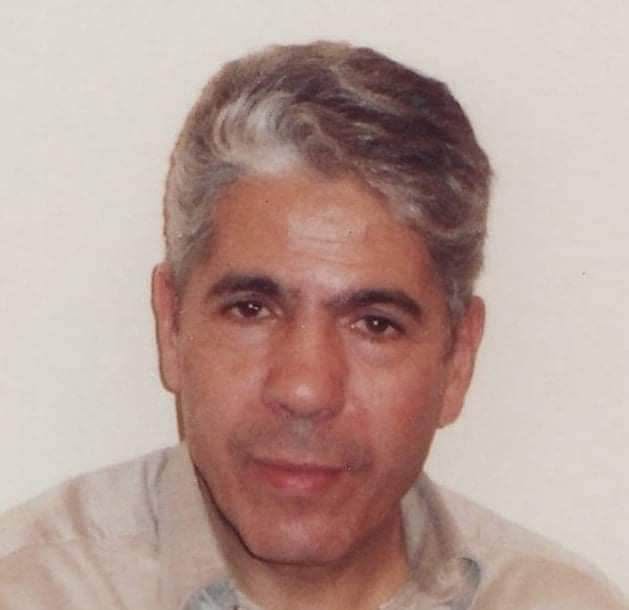
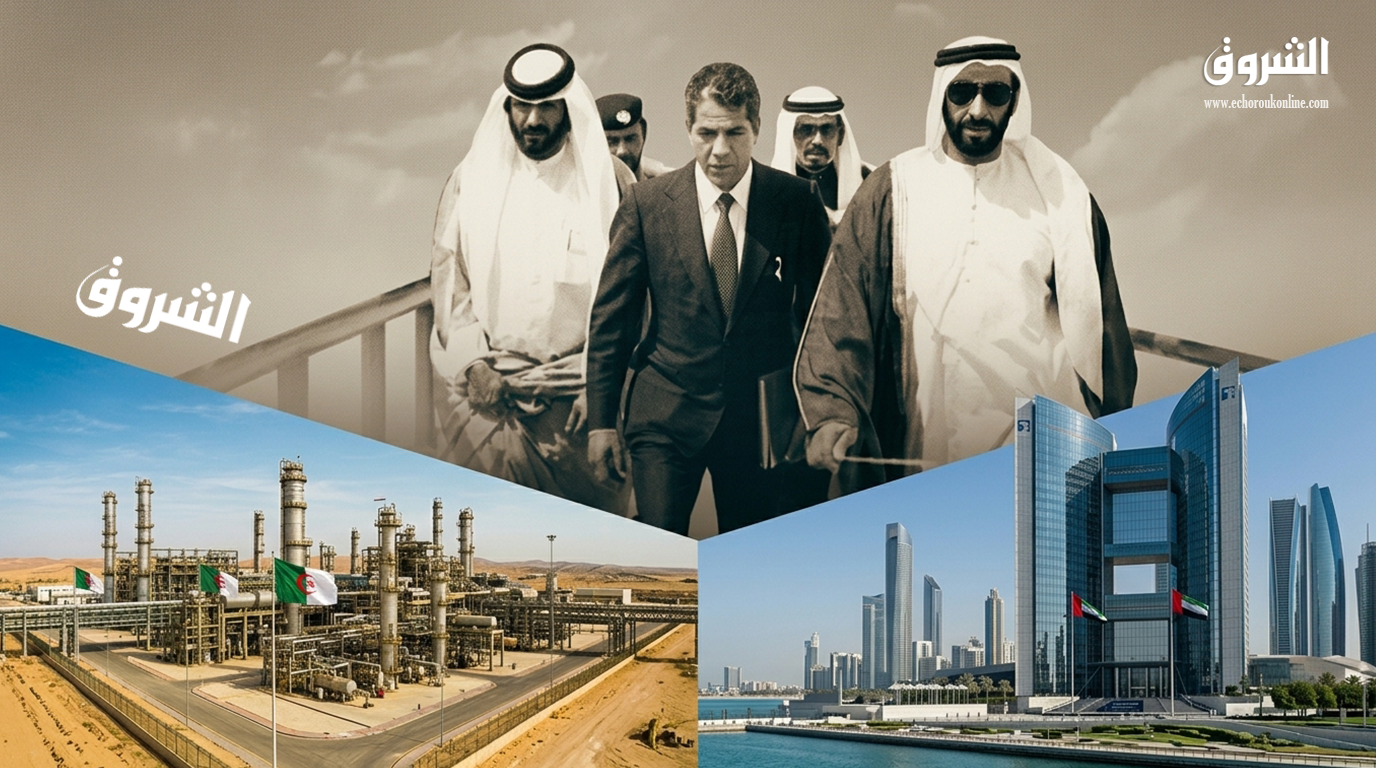
Mahmoud Hamra Kroha was born in 1938 in Ouled Attia, Skikda Province, and was thirty-one years old when his name was associated with an economic mission in Abu Dhabi in 1969. At the time, he was central director of planning at Sonatrach, and he also held a doctorate in economics from the Sorbonne University.
The late President Houari Boumediene chose Kroha as part of a team of Algerian experts who went to Abu Dhabi, in response to a request from Sheikh Zayed bin Sultan Al Nahyan, at a stage when the young UAE state was seeking to build its economic structures and benefit from Arab expertise that had accumulated early experience in managing the hydrocarbons sector.
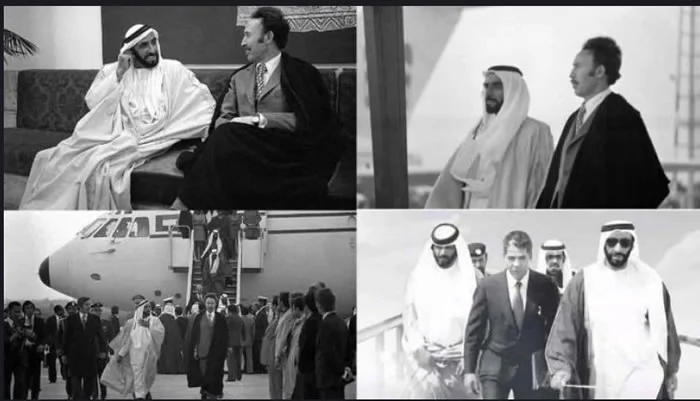
The mission was not just a passing consultation. It has been linked Establishing administrative and organizational structuresAnd contributing to negotiations with foreign companies, laying the foundations of oil management and building local competencies, at a time when Abu Dhabi was taking its first steps towards building a national oil industry capable of managing its enormous wealth.
From this environment, the Abu Dhabi National Oil Company “ADNOC” later emerged, which over the years became one of the most important energy companies in the world and an essential lever for the UAE economy.
But the irony that is worth considering is not in ADNOC’s success itself, but rather in the question that remains without a clear answer: Where did the name of the Algerian man who brought to Abu Dhabi a part of Algeria’s oil experience go?
While ADNOC turned into a global oil empire, and the UAE began to use its oil and financial power to build broad economic and political influence, the name of Hamra Karwa remained almost absent from the scene, which opens a wide door to discussion about the way Arab economic history is written, and who is honored in it and who is forgotten.
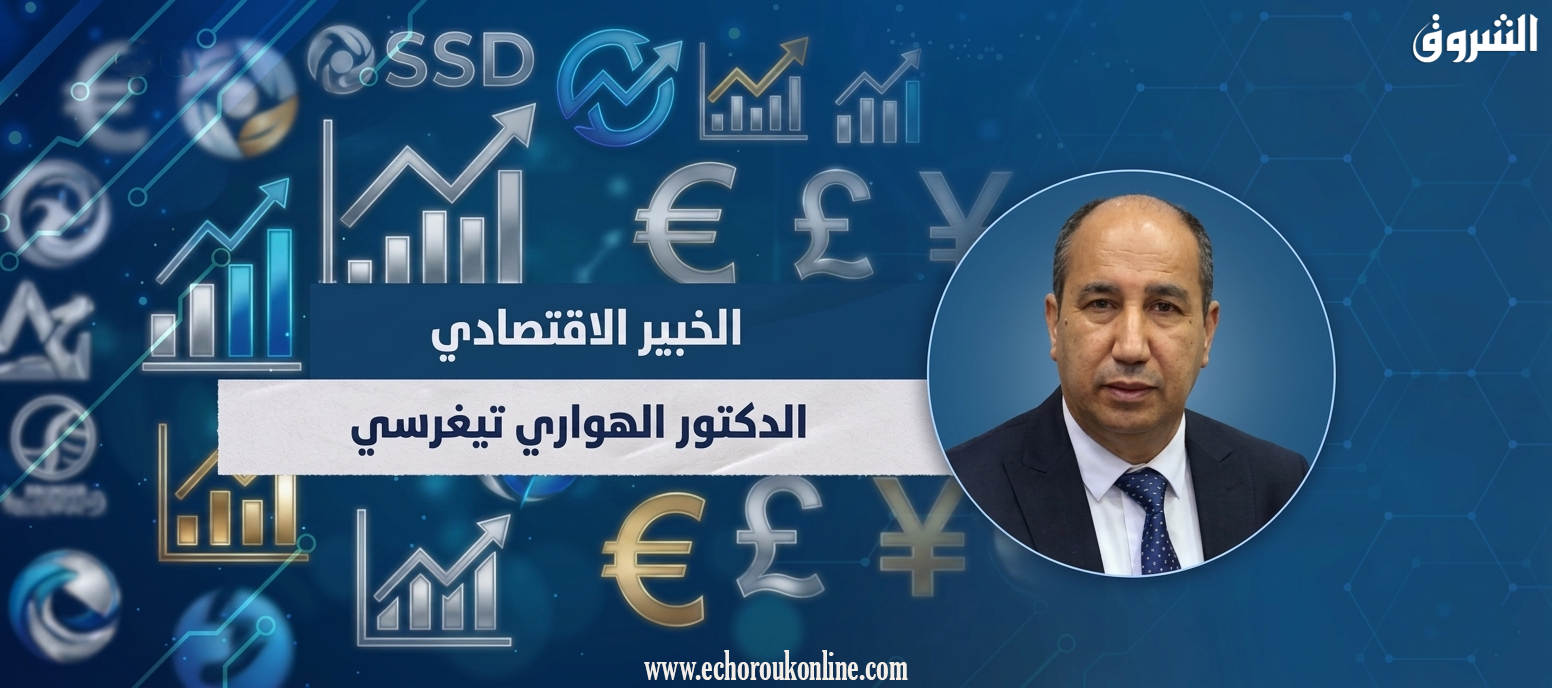
From an economic perspective, economist Dr. Al-Hawari Tigresi, professor of economic sciences at the University of Algiers, believes that the story of Hamra Krouha can be read from an angle that goes beyond the issue of fuel exports, to reveal that Algeria exported, at a stage in its history, knowledge, experience, and cadres that contributed to building Arab industries.
Tigresi believes that the story, regardless of the details of historical documentation that need careful archiving, reminds us that the greatest Algerian wealth is not oil and gas alone, but rather the human capital accumulated since independence. He points out that the experience that Algeria built in fuel management, through Sonatrach and its engineering and economic schools, was at a certain stage in demand by countries that were still in the beginnings of building their oil institutions.
The economic expert lays out the most important lesson in the need for Algeria to move from exporting individual expertise to exporting systems, services and knowledge, so that Algerian competence does not remain just an engineer or expert working abroad, but rather turns into Algerian consulting, engineering and technological companies capable of competing in Africa and the Arab world, and selling knowledge as energy and industrial products are sold.
For Tigresi, dealing with the story of Hamra Croha from the economic aspect should not turn into a mere battle in memory or a political reaction, as Algeria’s real strength lies in restoring confidence in its competencies, documenting its contributions, and transforming its industrial and oil history into a marketable economic asset.
He believes that the Algerian message today can be clear: whoever contributes to building the experiences of others is able to build a stronger economic experience for his country, provided that Algerian competence is transformed from human energy searching for opportunity to a force of production, investment and export of knowledge.
Tigresi concludes that the best economic response to any neglect of the role of Algerians is not to cry over the past, but rather to create new Algerian successes that no one can ignore.
This paradox becomes even more interesting in light of recent developments between Algeria and the UAE. The two countries, which in a previous stage brought together relations of cooperation and mutual experiences, have today reached a stage where Algeria announced the severing of diplomatic relations with Abu Dhabi, after years of escalating disputes over regional files and Emirati policies that Algeria considers unacceptable.
In its statement, the Algerian Foreign Ministry said that the UAE, despite the warnings, continued what it described as “provocative and hostile” actions that reached a point where the continuation of relations was no longer acceptable, stressing that the Algerian government had exhausted all means to maintain bilateral relations.
The rift did not come out of nowhere, as disagreements have accumulated in recent years between the two countries over a number of regional files, normalization with the Zionist entity, and developments in the Sahel region, as well as interference in Algerian internal affairs and creating strife.
The UAE also played regional roles that contributed to… Widening divisions within the Arab worldBy supporting various parties in Arab crises and conflicts, which has put the UAE in the target of increasing criticism regarding the nature of its regional influence and the appearance of its name among everything that disperses and divides Arab unity.
But for Algeria, the issue is not only related to a passing disagreement in viewpoints, but rather to what it considers interference in issues affecting its security and strategic interests, which has contributed to pushing relations between the two countries towards a rupture.
Here the great paradox emerges: Algeria in the 1960s and 1970s was sending its expertise to an emerging Gulf state to help build its oil institutions, while the UAE, decades later, began contributing to creating strife and divisions for the same country that provided it with a helping hand.
From this angle, the story of Mahmoud Hamra Karouha is no longer just the biography of an Algerian economist, but rather turns into a question about memory, recognition, and the distribution of roles in Arab economic history.
But the paradox remains: an Algerian man brought his country’s experience to Abu Dhabi during the phase of building the oil state, and the institution whose name was associated with its founding phase later became one of the most powerful economic institutions in the Emirates, while the man’s name almost disappeared from public memory.
Today, after the diplomatic rupture between Algeria and the UAE, the question acquires a more acute political dimension: How is history written when alliances change, interests shift, and the country whose experts contributed to building an Arab economic experience becomes in a political confrontation with that same country?
It is a story that is not related to oil alone, but rather about who has the right to write memory, whose name is immortalized when institutions succeed, and who is left out of the picture when the narrative of success is written.