From Western Sahara to the Sahel and Sudan… The International Crisis Group monitors:
An analysis issued by the International Crisis Group, prepared by Mikael Bachir Ayari, the group’s chief analyst, monitored a number of regional files that deepened the dispute between Algeria and the UAE, in light of the two countries’ differing positions regarding normalization with the Zionist entity, Western Sahara, and the situation in the Sahel region, Libya and Sudan, in addition to Algerian fears of Emirati movements that it considers a threat to its security and regional interests.
The study stopped at Algeria’s decision to sever its diplomatic relations with the Emirates on September 10, 2026, considering that the tension between the two countries did not arise from a single dispute, but rather an accumulation as a result of continuing differences over regional issues, and conflicts in the approaches and alliances adopted by the two parties in a number of hotspots of tension.
Normalization and support for Morocco spark the dispute
The International Crisis Group’s analysis indicated that the normalization of relations between the UAE and the Zionist entity in 2020 constituted one of the most prominent sources of disagreement with Algeria, which opposes normalization and considers it a factor influencing the region’s balances. In this context, Abu Dhabi opened a consulate in the occupied city of Laayoune in Western Sahara on November 4, 2020, before Morocco and the Zionist entity signed a defense cooperation agreement in November 2021.
The analysis touched on the sensitivity of the Western Sahara issue in Algerian-Emirati relations, in light of Abu Dhabi’s support for Morocco, in exchange for Algeria’s adherence to its position in support of the Sahrawi people’s right to self-determination. He also referred to the Algerian accusations regarding the growing security cooperation between Morocco and the Zionist entity, and the repercussions it may have on Algeria’s security.
The study pointed out that the differences were not limited to external files, but rather extended to Algeria’s fears of possible external interference in its internal affairs, especially with regard to the “MAK” terrorist movement.
The analysis addressed statements by the Moroccan representative to the United Nations regarding the right of the Kabylie region to self-determination. It also referred to a report issued by a Moroccan-based research center that talked about contacts between representatives of the movement and Emirati figures, based on sources including parties linked to the movement. These data, according to the analysis, fall within Algerian fears of the possibility of using foreign relations in files affecting the country’s internal affairs, noting that what was reported regarding the alleged communications does not, in itself, constitute independent and decisive evidence of the UAE’s involvement in supporting the movement.
The Sahel… Emirati movements worry Algeria
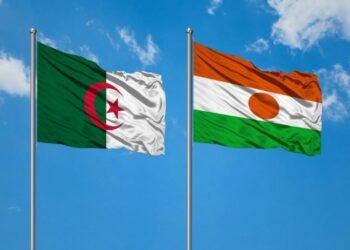
The analysis touched on the growing Emirati presence in the Sahel region, pointing to a tour conducted by an Emirati minister in Mali, Niger, and Burkina Faso in May 2024, in the context of Abu Dhabi’s efforts to expand its security and economic relations in the region, including sectors related to gold and natural resources.
These movements raise Algerian concerns, according to the study, given the importance of the Sahel region to Algerian national security, and the overlap of its security and economic files with the interests of regional and international powers. The approaches of Algeria and the UAE also differ regarding dealing with political and security transformations in the countries of the region, at a time when the ruling military regimes in Mali, Niger, and Burkina Faso are seeking to rearrange their foreign partnerships.
The study also touched on reports of ransom payments to the Group for the Support of Islam and Muslims, linked to Al-Qaeda, in the context of the release of hostages.
She referred to a UN report issued in August, and to regional sources that linked some of these operations to the Emirates, but these allegations do not, according to the data included in the analysis, independently and definitively prove Abu Dhabi’s responsibility for them.
Niger and the gas pipeline… a conflict of regional interests
The study addressed the competition over energy projects in the region, especially the trans-Saharan gas pipeline project that connects Nigeria to Algeria via Niger, versus the Atlantic pipeline project that passes through Morocco and has received Emirati support since its early stages.
The difference in positions regarding the two projects reflects a difference in economic and strategic interests, given the opportunities that gas transportation projects represent to enhance regional influence and secure export routes to international markets.
The study also touched on the coup attempt that targeted Nigerien President Abderrahmane Tiani on August 29, 2026, and the subsequent circulation of accusations regarding the possibility of an Emirati role. But it indicated that these conversations remained within the scope of unproven suspicions, without providing conclusive evidence confirming Abu Dhabi’s responsibility for them.
Libya and Sudan…the UAE is at the heart of hotbeds of tension
The International Crisis Group’s analysis stopped at the divergence in the Algerian and Emirati positions regarding the Libyan crisis, as Abu Dhabi supported Khalifa Haftar, while Algeria supported the internationally recognized government in Tripoli. He pointed out that these discrepancies emerged at different stages of the crisis, including the movements related to the city of Ghadames in August 2024.
Libya is of special importance to Algeria due to the common borders and security overlap between the two countries, which makes military and political developments there with direct repercussions on Algerian security. In this context, the difference in the two countries’ approaches to the Libyan parties, each of which enjoys external support, is evident.
As for Sudan, the analysis dealt with the accusations directed at the UAE regarding its support for the Rapid Support Forces in its war against the Sudanese army, which are accusations that Abu Dhabi denies. He also referred to what Algerian analysts reported regarding Algeria providing old MiG-29 aircraft and spare parts to the Sudanese army.
The study also touched on reports of supply routes suspected of being used to transfer support to the Rapid Support Forces through areas in eastern and southern Libya and Chad. On the other hand, the UAE says that its activities in Chad are of a humanitarian nature. These data, as presented in the analysis, highlight the extent of the overlap between the Sudanese conflict and regional movements around Algeria.