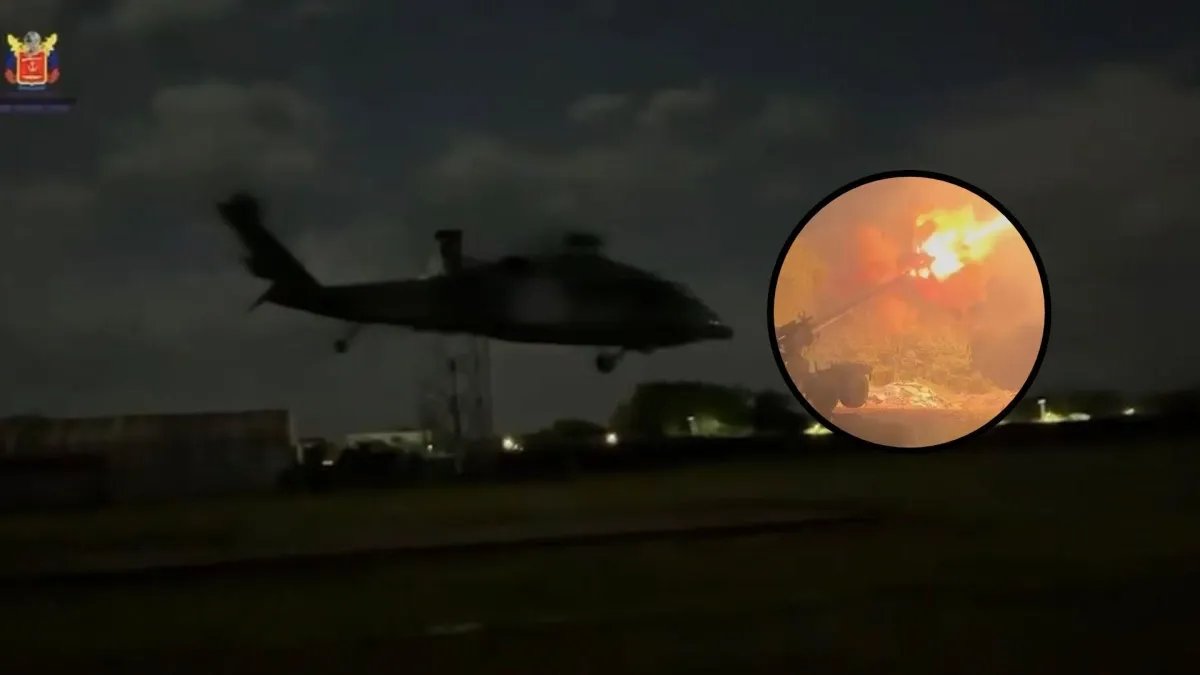
In hours of early this wednesday the sixth bombing was recorded ordered by the government President Abelardo De La Espriella against illegal armed organizations. The air operation It was developed in the department of Chocó and targeted structures of the ‘Gulf clan’as confirmed to EL TIEMPO by sources on the ground.
READ ALSO
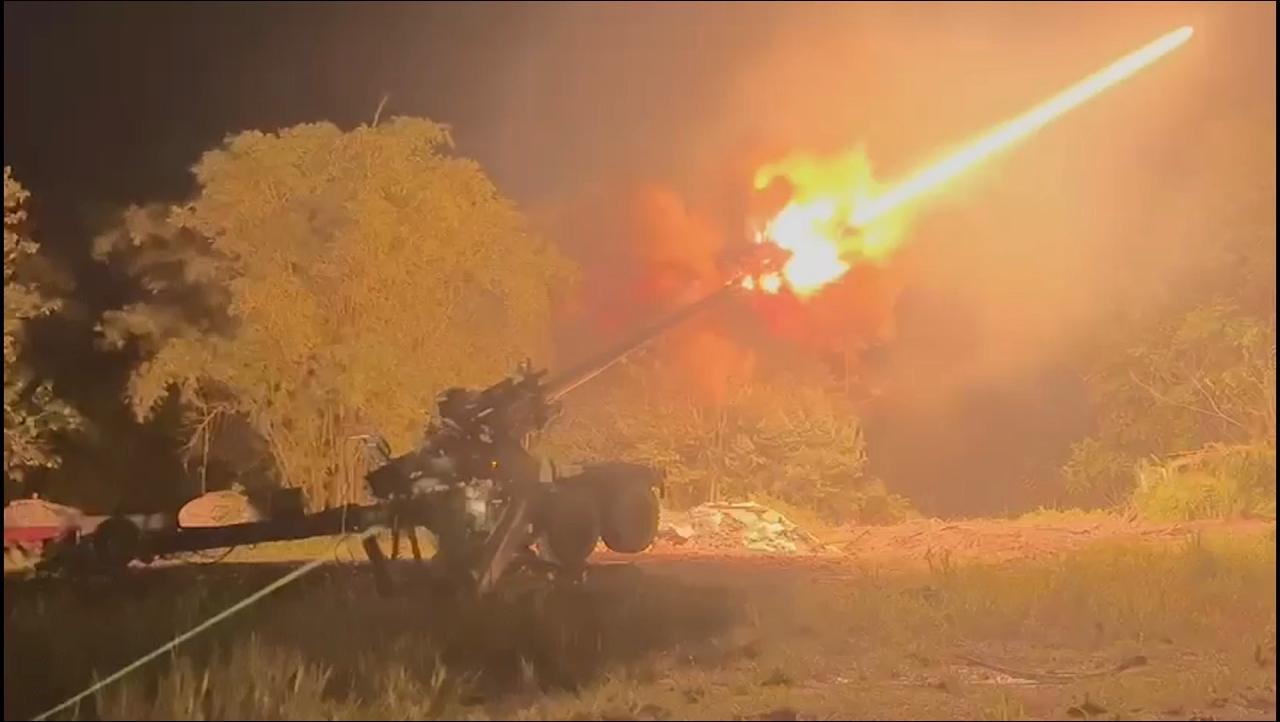
Although the first versions They located the attack in Cauca and pointed to the FARC dissidents under the command of alias Iván Mordiscothis newspaper established that These are two different operations. In Cauca too military actions are carried out against that organization, a circumstance that initially generated confusion about the location and the armed group against which the bombing had been directed.
According to the information known to EL TIEMPO, the operation carried out in Chocó was led by the Anti-Drug Trafficking Command and Transnational Threats (Conat) of the National Army, with support from the Colombian Aerospace Force (FAC). The intervention is part of military actions that the Government has been developing against the structures of the ‘Gulf clan’.
First balance of the first bombardment. Photo:Courtesy
For now, specialized troops advance towards the area where the air attack occurred to carry out inspection tasks and establish the results of the operation. Among the pending tasks is to determine the number of members of the organization that could have been affected, as well as verifying the existence of camps, weapons and other elements used by that structure.
He President De La Espriella had announced during the early morning the authorization of a new bombing. Through his account on X, the president wrote: “Busy morning: a few hours ago I authorized a bombing very important and strategic. In the course of the morning I will give the respective detailsHowever, in that publication he did not specify the place of the intervention or the organization against which it had been carried out.
The bombing occurred in Catatumbo against the ELN. Photo:Courtesy
The six government bombings
This Wednesday’s operation joins the five aerial actions that the Military Forces have executed since the arrival of De la Espriella to the Casa de Nariño, the last August 7. In less than three months, The interventions have had as objectives structures of the National Liberation Army (Eln), the FARC dissidents and, now, the ‘Gulf clan’.
He first bombing was recorded between the night of August 10 and early morning of August 11 in the region of Catatumbo, North Santanderhours after the earthquake that affected the country. That operation was directed against ELN structures that maintain a presence in that border area with Venezuela.
Later, the Military Forces They moved their operations to the department of Guaviarewhere two bombings were carried out against factions of the former FARC. The first, developed on August 27targeted structures linked to alias Calarcawhile the second, held on August 30was directed against men under the command of alias Iván Mordisco.
One of the helicopters used to bring troops into the bombing zone. Photo:Courtesy
These two interventions also were under review due to the presence of minors among the victims. According to reports later known, at least four minors died in the Guaviare operations, a situation that raised questions about the procedures intelligence and verification of targets before authorizing airstrikes.
He fourth bombardment was carried out he October 11again in Catatumbo, this time against members of the Front 33 of the dissidents of the FARC. The operation left four people deadincluding a minor under 16 years of age, according to known reports about that intervention. lafm.com.co
The fifth operation occurred last week in the southwest of the country, in an intervention against ELN structures in the Cauca area and its limits with Nariño. During that action alias Marcos Pacífico diedidentified as Neftalí Riascos Alegría, noted leader of that organization and with influence on structures that operated in Cauca, Nariño and Valle del Cauca.
READ ALSO
The continuation of the bombings also has been crossed by judicial actionsamong them protections promoted to question this type of intervention in the death of minors. The questions have focused on the identification of military objectives, the presence of people recruited by armed organizations and the obligations to protect the civil population established in international humanitarian law.
In the midst of these controversies, the Executive has maintained the decision to use air operations against armed organizations. During the first hundred days of Government the execution had been contemplated of at least fifteen actions of this type, according to known information about the administration’s military strategy.
Justice Editorial
Justicia@eltiempo.com