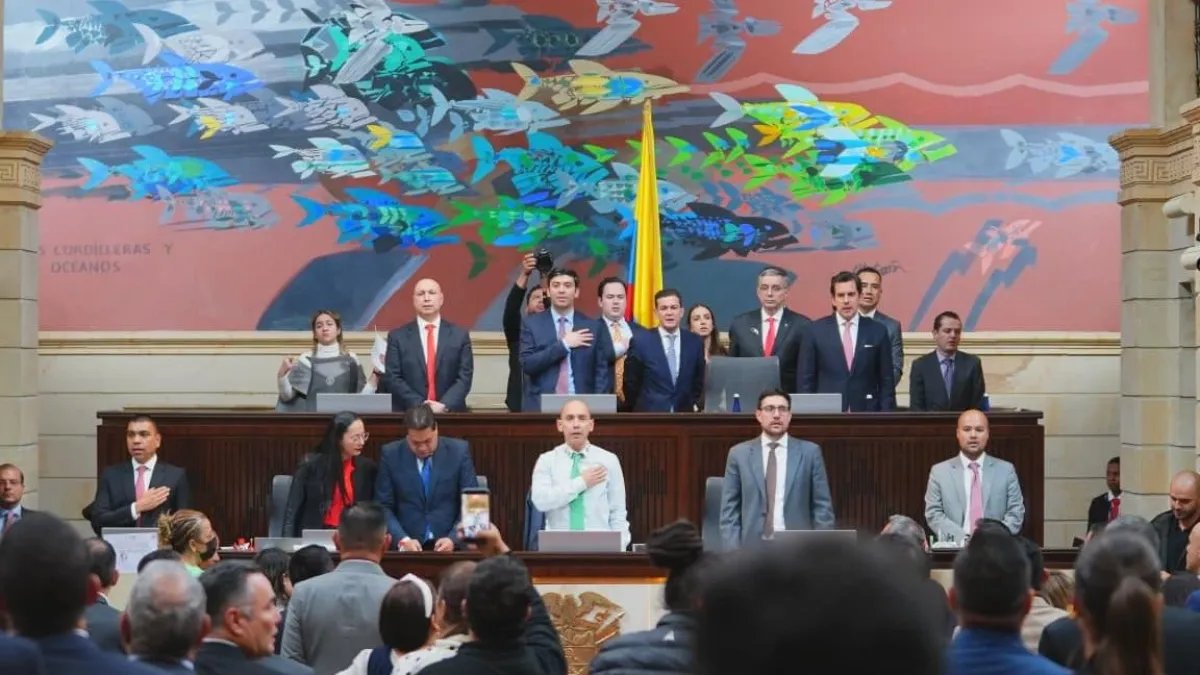
The House of Representatives He put the accelerator on and debated the nine articles of the pension reform that were returned due to defects in their processing, just one day before the deadline set by the Constitutional Court. There were no changes compared to what the Senate approved more than two years ago, for which there was no need for conciliation.
READ ALSO
In the absence of a final statement from the Constitutional Courtwhat was done this Tuesday and Wednesday by the plenary session of the Chamber guarantees that the text of the pension reform remains as is as was enacted two years ago and comes into effect on April 1, 2027; This was determined by the high court in the same ruling that returned the nine articles for proper debate.
Although the resolution of what was demanded by the Court barely took two sessionsit was not an easy process. Just a week ago, The House asked for more time to the Constitutional Court to debate the nine returned articles. The corporation argued that it had not been able to discuss these points because it had to assume the discussion of the 2027 budget. However, the high court never gave an answer.
Not having an official response, the representatives They had to debate in just two days the nine articles in which there were propositions and in which the Constitutional Court considered that there were flaws in the process.
READ ALSO
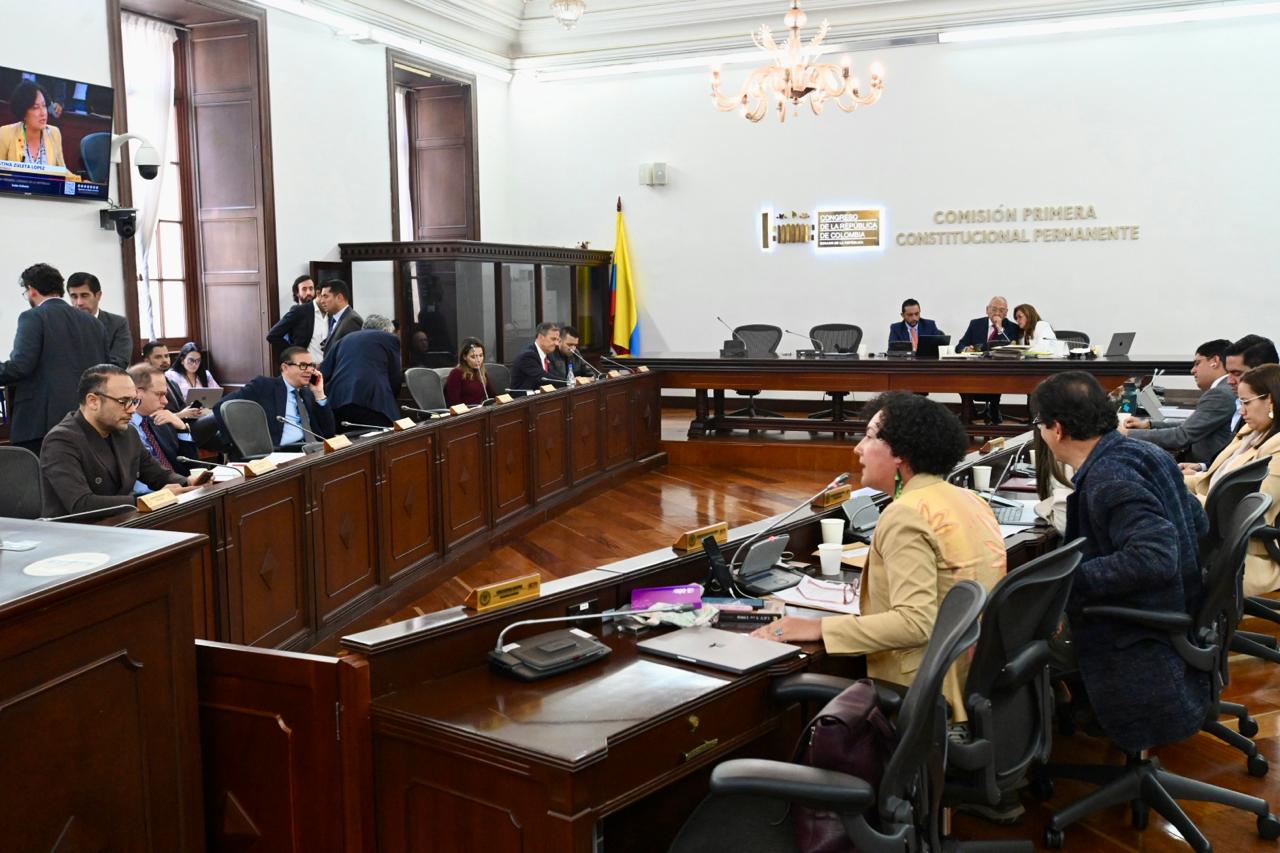
There were very different atmospheres in the two days of discussion. On Tuesday, THE TIME knew that an agreement had been reached for reject seven of the propositions and accept two, the one that eliminated the differential pension system for Afros, peasants and indigenous people, and the one that clarified that the pensions greater than 1,000 UVT per month.
If this agreement had been maintained, changes would have been made to the Senate text, so a conciliation process was necessary. Like the Constitutional Court had not extended the period to process the articles, the Chamber was in a legal limbo regarding what would happen if said session occurred after the October 29, set deadline by the high court to remedy the defects.
This Wednesday, the panorama was different. As the debate progressed, possible changes were being rejected. When the changes that were initially going to be adopted were reached, modifying the proposal compared to that of the Senate, the plenary did not even vote: the authors of the proposals simply they removed them.
READ ALSO

This did not prevent there from being a harsh discussion regarding the article that creates a Differential regime for Afro, indigenous and peasant communities. This proposal was from the former senator Richard Fuelantala and had been included by the former Minister of the Interior Luis Fernando Velasco to guarantee the support of the indigenous congressman.
However, it was always suggested that this point should be revoked in the House, since It was not fiscally viable. and it could be declared unconstitutional by the Court. That was the objective that the current Chamber had set for itself. The agreements were already in place to do so. However, given the legal vacuum, It was decided to leave everything as is as it had arrived.
In this way, the House voted on the nine pending articles and maintained the integrity of the text. After almost seven hours of debatesdivided into two different sessions, the secretary of the Chamber, Miguel Angel Sanchezsaid: “This secretariat certifies that the proceedings of this plenary session were limited solely to what was decided by the constitutional court.”
READ ALSO

Now it will be Constitutional Court the one that validates if the Chamber complied with what was requested in the ruling and if once and for all the pension reform will come into force. However, the government’s proposed flag Gustavo Petro will have to face the challenge of “pension counter-reform“which was presented this Wednesday by the Democratic Center.
Government guaranteed the issuance of passports. Photo:
JUAN SEBASTIÁN LOMBO DELGADO
Political writing