Sunday, June 28, 2026
    The GeoStrategic Consensus
    No Result
    View All Result
    • Login
    • HOME
    • AMERICAS
      • Argentina
      • Brazil
      • Canada
      • Chile
      • Colombia
      • Costa Rica
      • Cuba
      • Dominican Republic
      • Ecuador
      • El Salvador
      • Greenland
      • Guatemala
      • Honduras
      • Mexico
      • Nicaragua
      • Panama
      • Paraguay
      • Peru
      • United States
      • Uruguay
      • Venezuela
    • ASIA-PACIFIC
      • Australia
      • Brunei Darussalam
      • Cambodia
      • China
      • Federated States of Micronesia
      • Fiji
      • Indonesia
      • Japan
      • Kiribati
      • Laos
      • Malaysia
      • Marshall Islands
      • Mongolia
      • Myanmar
      • Nauru
      • New Zealand
      • North Korea
      • Palau
      • Papua New Guinea
      • Philippines
      • Samoa
      • Singapore
      • Solomon Islands
      • South Korea
      • Taiwan
      • Thailand
      • Timor-Leste
      • Tonga
      • Tuvalu
      • Vanuatu
      • Vietnam
    • CARICOM
      • CARICOM – Non-English
        • Haiti
        • Suriname
      • CARICOM Associates
        • Anguilla
        • Bermuda
        • British-Virgin-Islands
        • Cayman-Islands
        • Curacao
        • Turks-and-Caicos
      • CARICOM English
        • Antigua and Barbuda
        • Barbados
        • Belize
        • Dominica
        • Grenada
        • Guyana
        • Jamaica
        • Montserrat
        • Saint Kitts and Nevis
        • Saint Lucia
        • Saint Vincent and the Grenadines
        • The Bahamas
        • Trinidad and Tobago
    • EURASIA
      • Armenia
      • Azerbaijan
      • Balarus
      • Georgia
      • Kazakhstan
      • Kyrgyzstan
      • Moldova
      • Russia
      • Tajikistan
      • Turkmenistan
      • Ukraine
      • Uzbekistan
    • EUROPE
      • Albania
      • Andorra
      • Austria
      • Bosnia and Herzegovina
      • Bulgaria
      • Croatia
      • Cyprus
      • Czech Republic
      • Denmark
      • Estonia
      • Finland
      • France
      • Germany
      • Greece
      • Holy See
      • Hungary
      • Iceland
      • Ireland
      • Italy
      • Kosovo
      • Latvia
      • Liechtenstein
      • Lithuania
      • Luxembourg
      • Malta
      • Monaco
      • Montenegro
      • Netherlands
      • North Macedonia
      • Norway
      • Poland
      • Portugal
      • Romania
      • San Marino
      • Serbia
      • Slovakia
      • Slovenia
      • Spain
      • Sweden
      • Switzerland
      • United Kingdom
    • MIDDLE EAST AND NORTH AFRICA
      • Algeria
      • Bahrain
      • Egypt
      • Iran
      • Iraq
      • Israel
      • Jordan
      • Kuwait
      • Lebanon
      • Lybia
      • Morocco
      • Oman
      • Palestinian Territories
      • Qatar
      • Saudi Arabia
      • Syria
      • Tunisia
      • Turkey
      • United Arab Emirates
      • Western Sahara
      • Yemen
    • SOUTH ASIA
      • Afghanistan
      • Bangladesh
      • Bhutan
      • India
      • Maldives
      • Nepal
      • Pakistan
      • Sri Lanka
    • SUB-SAHARAN AFRICA
      • Angola
      • Benin
      • Botswana
      • Burkina Faso
      • Burundi
      • Cabo Verde
      • Cameroon
      • Central African Republic
      • Chad
      • Comoros
      • Cote d’Ivoire
      • Democratic Republic of the Congo
      • Djibouti
      • Equatorial Guinea
      • Eritrea
      • Eswatini
      • Ethiopia
      • Gabon
      • Gambia
      • Ghana
      • Guinea
      • Guinea Bissau
      • Kenya
      • Lesotho
      • Liberia
      • Madagascar
      • Malawi
      • Mali
      • Mauritania
      • Mauritius
      • Mozambique
      • Namibia
      • Niger
      • Nigeria
      • Republic of the Congo
      • Rwanda
      • Sao Tome and Principe
      • Senegal
      • Seychelles
      • Sierra Leone
      • Somalia
      • South Africa
      • South Sudan
      • Sudan
      • Tanzania
      • Togo
      • Uganda
      • Zambia
      • Zimbabwe
    • HOME
    • AMERICAS
      • Argentina
      • Brazil
      • Canada
      • Chile
      • Colombia
      • Costa Rica
      • Cuba
      • Dominican Republic
      • Ecuador
      • El Salvador
      • Greenland
      • Guatemala
      • Honduras
      • Mexico
      • Nicaragua
      • Panama
      • Paraguay
      • Peru
      • United States
      • Uruguay
      • Venezuela
    • ASIA-PACIFIC
      • Australia
      • Brunei Darussalam
      • Cambodia
      • China
      • Federated States of Micronesia
      • Fiji
      • Indonesia
      • Japan
      • Kiribati
      • Laos
      • Malaysia
      • Marshall Islands
      • Mongolia
      • Myanmar
      • Nauru
      • New Zealand
      • North Korea
      • Palau
      • Papua New Guinea
      • Philippines
      • Samoa
      • Singapore
      • Solomon Islands
      • South Korea
      • Taiwan
      • Thailand
      • Timor-Leste
      • Tonga
      • Tuvalu
      • Vanuatu
      • Vietnam
    • CARICOM
      • CARICOM – Non-English
        • Haiti
        • Suriname
      • CARICOM Associates
        • Anguilla
        • Bermuda
        • British-Virgin-Islands
        • Cayman-Islands
        • Curacao
        • Turks-and-Caicos
      • CARICOM English
        • Antigua and Barbuda
        • Barbados
        • Belize
        • Dominica
        • Grenada
        • Guyana
        • Jamaica
        • Montserrat
        • Saint Kitts and Nevis
        • Saint Lucia
        • Saint Vincent and the Grenadines
        • The Bahamas
        • Trinidad and Tobago
    • EURASIA
      • Armenia
      • Azerbaijan
      • Balarus
      • Georgia
      • Kazakhstan
      • Kyrgyzstan
      • Moldova
      • Russia
      • Tajikistan
      • Turkmenistan
      • Ukraine
      • Uzbekistan
    • EUROPE
      • Albania
      • Andorra
      • Austria
      • Bosnia and Herzegovina
      • Bulgaria
      • Croatia
      • Cyprus
      • Czech Republic
      • Denmark
      • Estonia
      • Finland
      • France
      • Germany
      • Greece
      • Holy See
      • Hungary
      • Iceland
      • Ireland
      • Italy
      • Kosovo
      • Latvia
      • Liechtenstein
      • Lithuania
      • Luxembourg
      • Malta
      • Monaco
      • Montenegro
      • Netherlands
      • North Macedonia
      • Norway
      • Poland
      • Portugal
      • Romania
      • San Marino
      • Serbia
      • Slovakia
      • Slovenia
      • Spain
      • Sweden
      • Switzerland
      • United Kingdom
    • MIDDLE EAST AND NORTH AFRICA
      • Algeria
      • Bahrain
      • Egypt
      • Iran
      • Iraq
      • Israel
      • Jordan
      • Kuwait
      • Lebanon
      • Lybia
      • Morocco
      • Oman
      • Palestinian Territories
      • Qatar
      • Saudi Arabia
      • Syria
      • Tunisia
      • Turkey
      • United Arab Emirates
      • Western Sahara
      • Yemen
    • SOUTH ASIA
      • Afghanistan
      • Bangladesh
      • Bhutan
      • India
      • Maldives
      • Nepal
      • Pakistan
      • Sri Lanka
    • SUB-SAHARAN AFRICA
      • Angola
      • Benin
      • Botswana
      • Burkina Faso
      • Burundi
      • Cabo Verde
      • Cameroon
      • Central African Republic
      • Chad
      • Comoros
      • Cote d’Ivoire
      • Democratic Republic of the Congo
      • Djibouti
      • Equatorial Guinea
      • Eritrea
      • Eswatini
      • Ethiopia
      • Gabon
      • Gambia
      • Ghana
      • Guinea
      • Guinea Bissau
      • Kenya
      • Lesotho
      • Liberia
      • Madagascar
      • Malawi
      • Mali
      • Mauritania
      • Mauritius
      • Mozambique
      • Namibia
      • Niger
      • Nigeria
      • Republic of the Congo
      • Rwanda
      • Sao Tome and Principe
      • Senegal
      • Seychelles
      • Sierra Leone
      • Somalia
      • South Africa
      • South Sudan
      • Sudan
      • Tanzania
      • Togo
      • Uganda
      • Zambia
      • Zimbabwe
    No Result
    View All Result
    Agentially
    No Result
    View All Result
    Home AMERICAS Nicaragua

    Washington’s turn for the transition in Venezuela

    The Analyst by The Analyst
    June 28, 2026
    in Nicaragua
    Washington’s turn for the transition in Venezuela


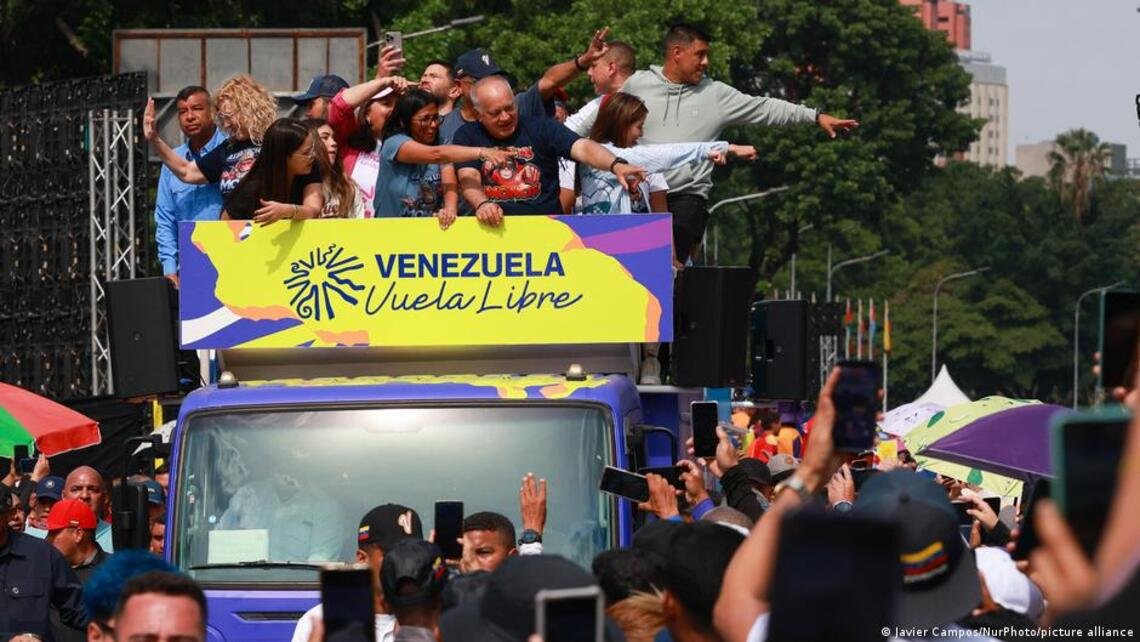
    Within its tutelage, the White House has imposed a transition strategy that is articulated in a gradual and flexible roadmap of three stages: stabilization, recovery and transition. In it, democratization was subordinated first to the achievement of internal political control and to the geopolitical objectives of USA and then to economic reactivation, with preferential access for American companies to the Venezuelan market.

    READ ALSO

    World

    The two earthquakes in Venezuela put Latin America on alert

    The White House’s strategy for political change does not aim at an abrupt dismantling of the Chavista model, but rather at a progressive reform promoted from within the regime itself, with Delcy Rodriguez at the helm as an operational figure under the direct supervision of Washington.

    Until June 2026, the process of political change in the country has been advancing through direct conversations between representatives of the White House and Miraflores, around verifiable goals defined by Washington and agreed upon with the interim. As the Secretary of State has warned, Marco Rubiofailure to comply with these commitments could lead to economic and political consequences, and even reopen the possibility of the use of force.

    These bilateral conversations have been markedly opaque, outside public scrutiny and without the Venezuelan people knowing precisely the scope of the goals and commitments assumed in their name by the interim. Some of these agreements have led to legal reform projects automatically sanctioned by a National Assembly, totally controlled by the ruling party and lacking legitimacy, both nationally and internationally.

    This dynamic has just been altered with the formal incorporation of the representation of the National Assembly elected in 2015 (AN 2015), headed by its president Dinorah Figuera, as a third actor within the US strategy of political change for Venezuela. This turn raises questions about what could have motivated it and what its real scope will be.

    The questions that the bilateral scheme could not answer

    Although in early February of this year, the White House—including trump and Rubio—gave some indications that the strategy of political change in Venezuela could incorporate representatives of the democratic oppositionthe truth is that this intention did not materialize, nor were explanations offered as to why no progress was made in that direction. Instead, the bilateral scheme between the White House and Miraflores was maintained.

    However, the development of this strategy has generated, in recent months, questions and pressures that the bilateral scheme has not been able to respond to satisfactorily and that could explain the current turn of the Trump administration. Among them stand out: the growing distrust within Venezuela about whether the process was really moving towards a democratic transition or towards normalization of postmaturism; the demand from sectors of US politics for a clear route to the elections in Venezuela; and the persistent legal uncertainty in the country that holds back American investors.

    The first question arises within Venezuela. While Trump publicly expresses his satisfaction with the performance of Delcy Rodríguez as head of the interim office, the questioning of her legitimacy as the person in charge of the Presidency has grown in the country, a position that, according to the Constitution, has a maximum term of 180 days and expires on July 3. Delcy Rodríguez does not have her own electoral mandate. His position derives from the appointment of an illegitimate president, and ultimately, from American tutelage.

    Added to this are discontent with the results of his administration and high distrust in his conduct of a democratic transition process that has not met the expectations of Venezuelans. This rejection has translated into growing social conflict, in citizen demands for the end of the interim term and in the demand to call elections.

    The second question comes from US domestic politics. In his appearances before the United States Congress, Rubio has had to face the demands of legislators who complain of a lack of clear deadlines, political openness, verifiable progress and a concrete electoral route for Venezuela.

    These claims have been recently ratified through a joint communication, dated June 8, signed by Senator Jeanne Shaheen and Representative Gregory W. Meeks, Democratic leaders of the Senate Foreign Relations and House Foreign Affairs committees, respectively. In it they demand a detailed explanation of the policy towards Venezuela, as well as a specific strategy to ensure that the political change in the country results in a democratic transition real and not a continuity of authoritarianism.

    The third question comes from the world of North American investors. For any company willing to commit to Venezuela in the long term, the initial question is: who has legitimacy to sign on behalf of the Venezuelan State? Washington has attempted to respond to this question through administrative means: it lifted personal sanctions on Rodríguez, treated her as a Venezuelan authority in litigation within the United States, allowed her to reestablish ties with Western banks, and facilitated her readmission into the United States. IMF.

    However, although these efforts by Washington give Rodríguez some functional authority in the international system and have reduced some of the immediate risk for investors, they have not dispelled the underlying doubts. Analysts warn that the agreements signed by an interim government without democratic origin, as well as the legal reforms sanctioned by a National Assembly whose legitimacy has been questioned even by the North American government itself, could be questioned by future Venezuelan administrations.

    What changes with the incorporation of the AN in 2015?

    By formally introducing the representation of the AN 2015 within its strategy of political change for Venezuela, the White House attempts to offer an answer to one of the fundamental questions that the bilateral scheme could not answer: the absence within that scheme of an institutional actor that would represent the interests of Venezuelans with democratic legitimacy.

    Although it is still too early to evaluate the real scope of this change, among other reasons because opacity persists and the information available is very general, it is possible, based on the official statements of the actors involved, to identify some relevant aspects.

    From their coincidences it is clear that the parties preliminarily agreed on a work format for the discussions: a technical table of a political nature, with a balanced composition, in charge of defining a work agenda with milestones and schedules, oriented towards a democratic transition of the country (although the official statement refers to this objective as “the strengthening of democracy”).

    Regarding the specific topics to be discussed, the AN 2015 establishes specific priorities—among them the strengthening of the CNE, the restitution of political parties and guarantees for all political actors, priorities that are also included in the State Department’s statement— while the ruling party’s text is deliberately generic, avoiding publicly committing to any specific objective at this time. One aspect that the statements do not specify is whether the support of the United States in these discussions implies a formal presence at the technical table or only external support.

    The incorporation of the AN 2015 representation constitutes an implicit recognition by Washington that the bilateral scheme followed until now was insufficient to provide legitimacy to the process of political change in Venezuela.

    With the redesign, an institutional space is opened so that the demands and interests of Venezuelans are represented in the discussion on the worksheet. route to democracycontributes to reducing the opacity of the process, and introduces an additional element of control over the continuous drift of postmaturity. It remains to be seen whether this shift will translate into verifiable progress towards free elections and a true transfer of power, or whether, on the contrary, it will end up legitimizing a reformed authoritarianism under the tutelage of Washington.
    Source link

    Related Posts

    World
    Nicaragua

    World

    June 28, 2026
    The two earthquakes in Venezuela put Latin America on alert
    Nicaragua

    The two earthquakes in Venezuela put Latin America on alert

    June 27, 2026
    They warn of the “very high” risk of suffering torture in Nicaragua
    Nicaragua

    They warn of the “very high” risk of suffering torture in Nicaragua

    June 27, 2026
    Nation
    Nicaragua

    Nation

    June 27, 2026
    Nicaragua uses pesticides banned in the European Union in coffee
    Nicaragua

    Nicaragua uses pesticides banned in the European Union in coffee

    June 27, 2026
    Economy
    Nicaragua

    Economy

    June 27, 2026
    Next Post
    US and Iran may have agreed in negotiating rooms, but at sea, Hormuz remains “chaotic”

    US and Iran may have agreed in negotiating rooms, but at sea, Hormuz remains “chaotic”

    POPULAR NEWS

    Pema Deki Brings Bhutanese Heritage to the World of Luxury Watches

    Pema Deki Brings Bhutanese Heritage to the World of Luxury Watches

    June 27, 2026
    World Cup 2026: Ecuador resists, defeats Germany and advances to the 16th round

    World Cup 2026: Ecuador resists, defeats Germany and advances to the 16th round

    June 28, 2026
    Pastor Hansl: “The church was never super cool, but it is currently celebrating an extreme comeback” – DiePresse.com

    Pastor Hansl: “The church was never super cool, but it is currently celebrating an extreme comeback” – DiePresse.com

    June 27, 2026
    Greenland Sagalands: Tourism helps keep our culture alive

    Greenland Sagalands: Tourism helps keep our culture alive

    June 27, 2026
    Palace: Impeachment trial won’t cause division, affect gov’t work

    Palace: Impeachment trial won’t cause division, affect gov’t work

    June 27, 2026

    EDITOR'S PICK

    Phnom Penh gets premium ‘Taste of Australia’

    June 27, 2026
    The president of Costa Rica proposes laws against crime and “leisure” in prisons

    The president of Costa Rica proposes laws against crime and “leisure” in prisons

    June 28, 2026
    Gold prices today, Sunday, June 21, 2026, after the close of trading

    Gold prices today, Sunday, June 21, 2026, after the close of trading

    June 27, 2026
    Strong earthquakes hit Venezuela: there are already at least 188 victims and thousands injured, the country declared a state of emergency – World – News

    Strong earthquakes hit Venezuela: there are already at least 188 victims and thousands injured, the country declared a state of emergency – World – News

    June 27, 2026

    Recent Posts

    • A USR deputy does not believe in a PSD Executive. “It would be another government prank Vestea 2.0”
    • “You live in the Middle Ages”: On one of the most unusual beaches in Europe, a tourist caused an incident
    • Reconciliation
    • Sanchez denies allegations of widespread corruption in his party

      © 2026 Agentially - Navigating shifting sovereignties and global risk .

      Welcome Back!

      Login to your account below

      Forgotten Password?

      Retrieve your password

      Please enter your username or email address to reset your password.

      Log In
      No Result
      View All Result

        © 2026 Agentially - Navigating shifting sovereignties and global risk .

        This website uses cookies. By continuing to use this website you are giving consent to cookies being used. Visit our Privacy and Cookie Policy.