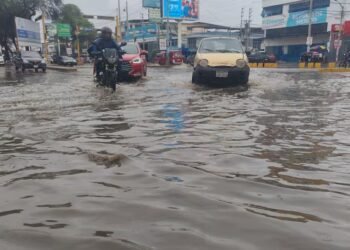
At least 12 hours standing, under the sun and with no guarantee of results, this is how many victims of La Guaira spend their time waiting to write down their name in the housing census that, one month after the earthquakes of June 24, The Venezuelan State is just beginning to organize.
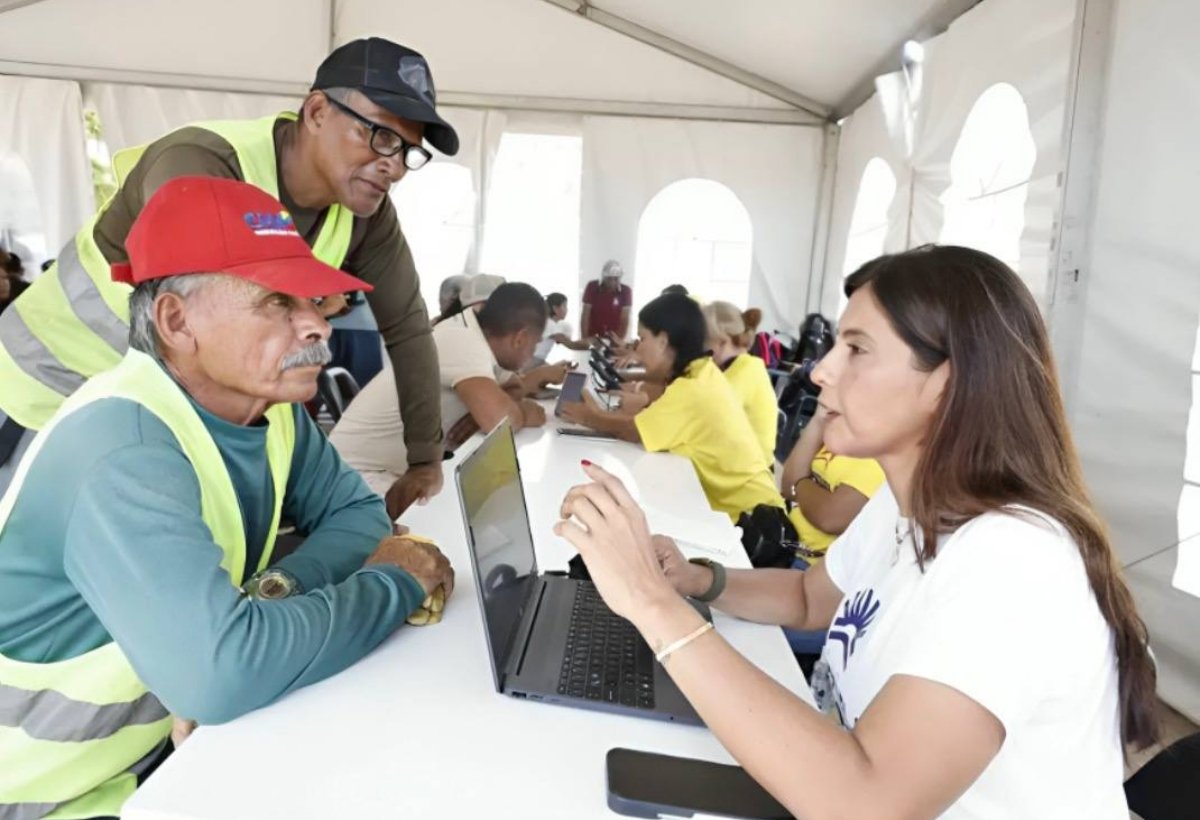
In the Plaza de Tanaguarena, five computers had to serve hundreds of families who arrived with their tragedy on their backs, exhausted and traumatized, to demand the help that the State itself had the obligation to provide them from day one, denounced the inhabitants of La Guaira, the state hardest hit by the tragedy.
A procedure that could be resolved online, in a simple and dignified way, became a new test of resistance for those who have already lost everything, many of them expressed to journalist Maryorin Méndez, tired of the marathon day.
As announced this week, the Ministry of Habitat and Housing (Minhvi) confirmed through social networks the deployment of the single housing registry for the victims of the state of La Guairaa process that will initially last until August 3 and that seeks to identify the people who lost their homes in the seismic tragedy.
The schedule includes rotating days per parish: Urimare, Carlos Soublette, Caraballeda, Catia La Mar, Macuto, Carayaca, El Junko and La Guaira, each with specific points and dates distributed among squares, sports centers and ministerial houses.
To complete registration, The head of the family must present his identity card; If you do not have it, the authorities will carry out a biometric verification.
You must also have on hand the ID number of your entire family unit.. Those who remain in family or other shelters within La Guaira must go to the point corresponding to their parish of origin, while people who are in the 28 camps enabled by the State in the entity will take the census directly in those spaces.
The ministry also specified that the victims who are outside La Guaira will not have to travel to a care point in the entity, since parallel sessions will be held in other states of the country to facilitate the process without having to travel.
Despite this deployment, the underlying claim persists among those affected. They reject that a month after the earthquakes, the organization of the census arrived late and with insufficient capacityforcing people who already face material and family losses to add days of waiting to access help that, as they emphasized, should have been available from the first weeks of the emergency.
Schedule
- Urimare Parish: La Lucha sector from July 18 to 20; Urbanism Hugo Chávez from July 17 to 21; Playa Grande – Ministerial House from July 22 to 25; Puerto Viejo, entrance to Puerto Viejo Guaracarumbo – Court where the police are on July 25.
- Carlos Soublette Parish: José María Vargas Sports Center, from July 21 to 22; Darío Vivas Square from August 1 to 3.
- Caraballeda Parish: Plaza Las Palmeras from July 25 to 28.
- Catia La Mar Parish: Plaza Bolívar in Catia La Mar from July 28 to 30; La Soublette – In front of the El Carmen Church from July 28 to 30.
- Macuto Parish: Macuto Walk from July 28 to 31.
- Carayaca Parish: Plaza Bolívar in Carayaca from August 1 to 3.
- El Junko Parish: Plaza Bolívar El Junko from August 1 to 3.
- La Guaira Parish: Casa Guipuzcoana from August 1 to 3.
Earthquakes in Venezuela
The death toll from the double earthquake of magnitude 7.2 and 7.5 that occurred a month ago in the northern part of Venezuela rose to 5,546 this Friday.after the authorities added 148 deaths, reported the president of the National Assembly (AN), Jorge Rodríguez.
The number of injured remains at 16,740, according to the deputy, who published the balance on his Telegram account.
The brother of the president in charge, Delcy Rodríguez, also indicated that 17,907 people lost their homes.
In addition, this disaster left some 856 buildings affected and 190 collapsed, according to the official balance, which also registers 1,500 aftershocks since the double earthquake on June 24.
On Monday, more than 240 families received the first homes delivered by the government affected by the earthquakes, in an event led by Delcy Rodríguez with her brother at the Fuerte Tiuna military complex, in Caracas.