Times of Israel: Kosovo ready to send its demining and explosives disposal team to Gaza

tidings

Express Newspaper
26/10/2026 22:47
US-backed Peace Board says Albania will send liaison officers to region in November; The Ministry of Kosovo says ToI (Times of Israel), that its explosives disposal team is ready, but waiting for the green light.
Albania finalized its participation agreement with the International Stabilization Force (ISF) in Gaza over the weekend, with Albanian liaison officers expected to deploy to the region in November, according to a statement from the US-backed Peace Council.
The development marks another small step toward assembling the multinational force meant to patrol the Strip under US President Donald Trump’s 20-point peace plan, whose implementation has largely stalled amid disagreements over disarming Hamas, withdrawing Israeli troops and deploying force.
The agreement, signed on Friday in a ceremony attended by the ISF commander, US Major General Jasper Jeffers, and senior Albanian defense officials, commits Albania to provide “support for security operations and operational planning capacity” for the ISF mission in Gaza. The Peace Board, which is tasked with overseeing the post-war plan for Gaza, did not specify how many personnel Albania intends to contribute or when they might enter the Gaza Strip.
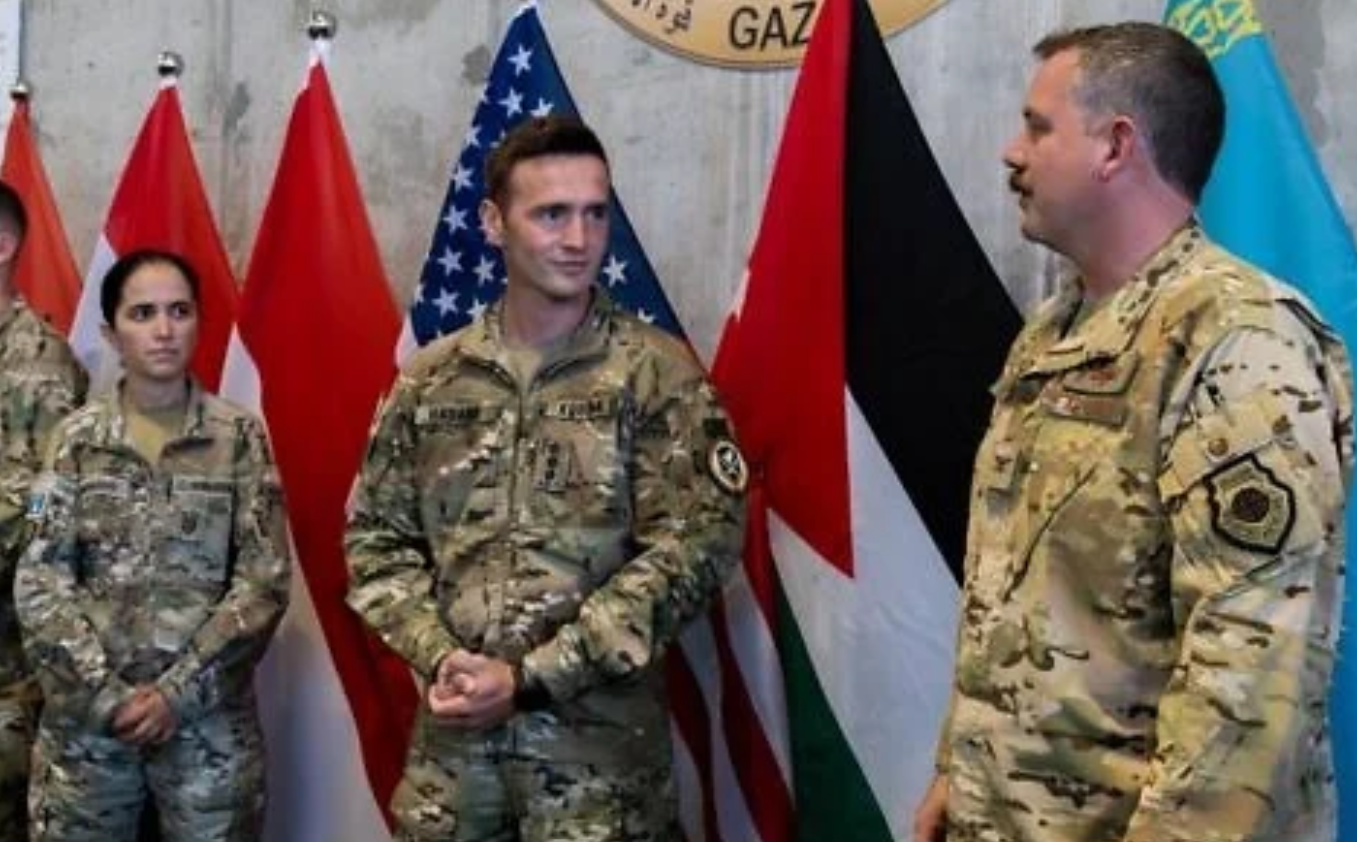
Meanwhile, the Ministry of Defense of Kosovo stated this week to the newspaper “The Times of Israel” that it is ready to send troops to Gaza, but that their arrival depends on the readiness of the ISF to receive them.
Kosovo’s planned contribution includes an explosive ordnance disposal (EOD) team, as well as a contingent commander serving as a liaison officer and additional staff personnel, the ministry said in a written response to questions, without stating the total size of its contingent.
“The Kosovo EOD team is ready and will be deployed as soon as the ISF is ready to accept it. The time of deployment will be determined by the ISF, in coordination with the relevant authorities and in accordance with the readiness of the mission,” the ministry said, adding that partner forces conducted training for Kosovar personnel in May, following a reconnaissance visit on April 26 to Gaza by a Kosovo Security Force team to assess the area where its troops are expected to operate.
“The specific tasks of the Kosovo personnel will be determined in coordination with the ISF, while the mission develops,” the ministry declared.
Kosovo formally signed the participation agreement with the Peace Board and the ISF on September 7, joining Morocco, Kazakhstan and other countries that have committed troops to the force, although the deployment of the ISF has faced repeated delays.
A small delegation of soldiers from Kosovo arrived in Israel in July, a month after a similar delegation arrived from Morocco, as part of preliminary preparations for the mission.
A Peace Board official told The Times of Israel last week that up to 500 Moroccan personnel have also undergone ISF-led training since late August.
The increased preparations come despite continued uncertainty over when the ISF will begin operating in Gaza. Under the US-backed plan, the ISF is meant to help secure areas vacated by Israeli troops, support the disarmament process, train Palestinian police and protect humanitarian operations, while facilitating the entry of a committee of Palestinian technocrats aiming to govern the territory.
In July, Israel’s security cabinet approved a legal framework for the limited entry of a contingent of about 200 international troops, which remains subject to further approval by Israel. Initially, this force was expected to secure a proposed pilot humanitarian zone in the Rafah area of southern Gaza.
However, no operational deployment has occurred, with the Peace Board struggling to secure Israeli approval for several key elements of the plan, including a proposed ISF base near the Yellow Line on the Israeli-controlled side of the Strip.
The Peace Board official expressed hope last week that progress would accelerate after Israel’s elections this week, saying the Board continues to work with Israeli authorities despite political pressure surrounding the vote.
Disagreements remain between Israel and the Board over the sequencing of Israeli withdrawals and the reconstruction of Gaza, with Prime Minister Benjamin Netanyahu maintaining that Hamas must be fully disarmed and Gaza demilitarized before proceeding, while the Board has pushed for a phased withdrawal linked to verified disarmament.