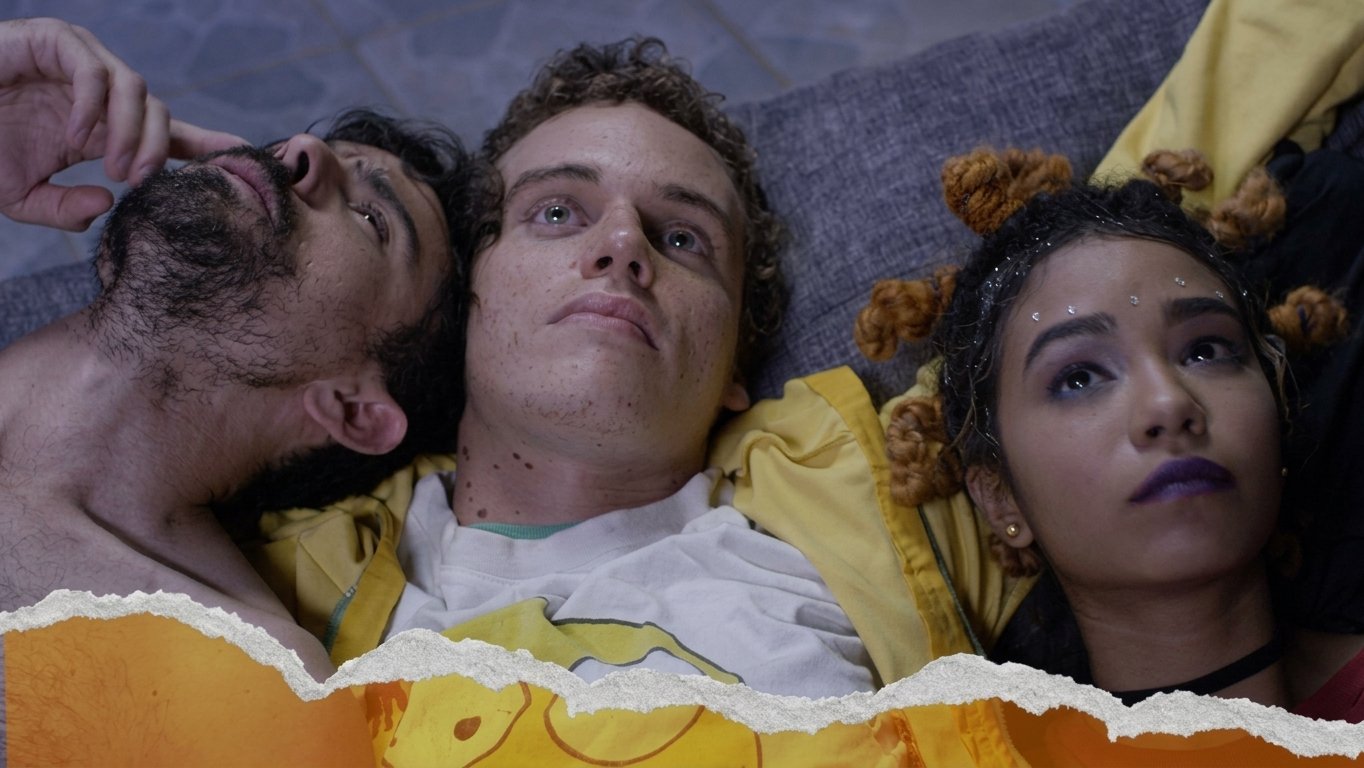
Bruce Blanco, a fallen rock star, bankrupt and victim of his excesses, wants to relive his old glory days with Sad Face, a band that catapulted him to fame and that he himself led to ruin. And not out of nostalgia for a good time, but to continue paying for their miserable lifestyle. After the death of one of his former teammates, he reunites with Remy, the son of who was one of his friends and a great fan of the band, with whom he embarks on the attempt to rescue the legendary group from oblivion.
That is the premise of This is not Sad Facethe new film by José Salaverría, which hits Venezuelan cinemas on October 8.
Through humor, exaggerated performances, and a mocking style, the film is a satire of the existential crises of middle-aged men and their difficulty in recognizing that they need help to avoid hurting those around them. “We all suffer, we have experienced a divorce or spite, but the truth is that we move on (…) The best catharsis is laughter and art,” says Salaverría about the feature film starring Mexican Jorge Luis Moreno.
The film, a comedy with deliberately exaggerated situations combined with mockumentary scenes, follows Bruce as he attempts to revive Sad Face with a group of teenagers. Unintentionally, the rocker becomes a kind of mentor for the young people, which generates friction between them and ends in another separation shortly before their big debut.
In the process of reviving Sad Face they also meet Asli, daughter of another of the deceased former members of the group, who will stand in Bruce’s way to prevent the band’s return.

At times, the film makes the viewer wonder if some of the scenes and interpretations are part of the plan or just a spur of the moment; a work that is reminiscent of that B-class cinema so popular in the 80s.
In addition to Jorge Luis Moreno, known for his work in series such as Chespirito: Without wanting to, wanting and the lord of the skies, This is not Sad Face features the participation of Josette Vidal, Fefi Oliveira and Willy Martin. But the film also features new actors such as Guaiker Noriega, Ángel Chacín Márquez and Juan Mantilla, who play the young musicians who try to revive Sad Face.
Although Moreno is the protagonist of the story, the performances of Guaiker, Juan and Ángel are the most outstanding. The young people, who have participated in some short films, manage with their interpretations to give a more fun and graceful tone and rhythm to the plot.
This is not Sad Facea co-production between Mexico and Venezuela, was recorded in 2018 in Maracaibo and for its premise the filmmaker was inspired by a personal experience: a complicated divorce, as well as the rock music scene in the city in the 1990s. Salaverría wanted, in addition to making humor out of personal crises, to pay tribute to the bands he listened to, such as Zapato 3 and TLX, and the references he grew up with, such as MTV.
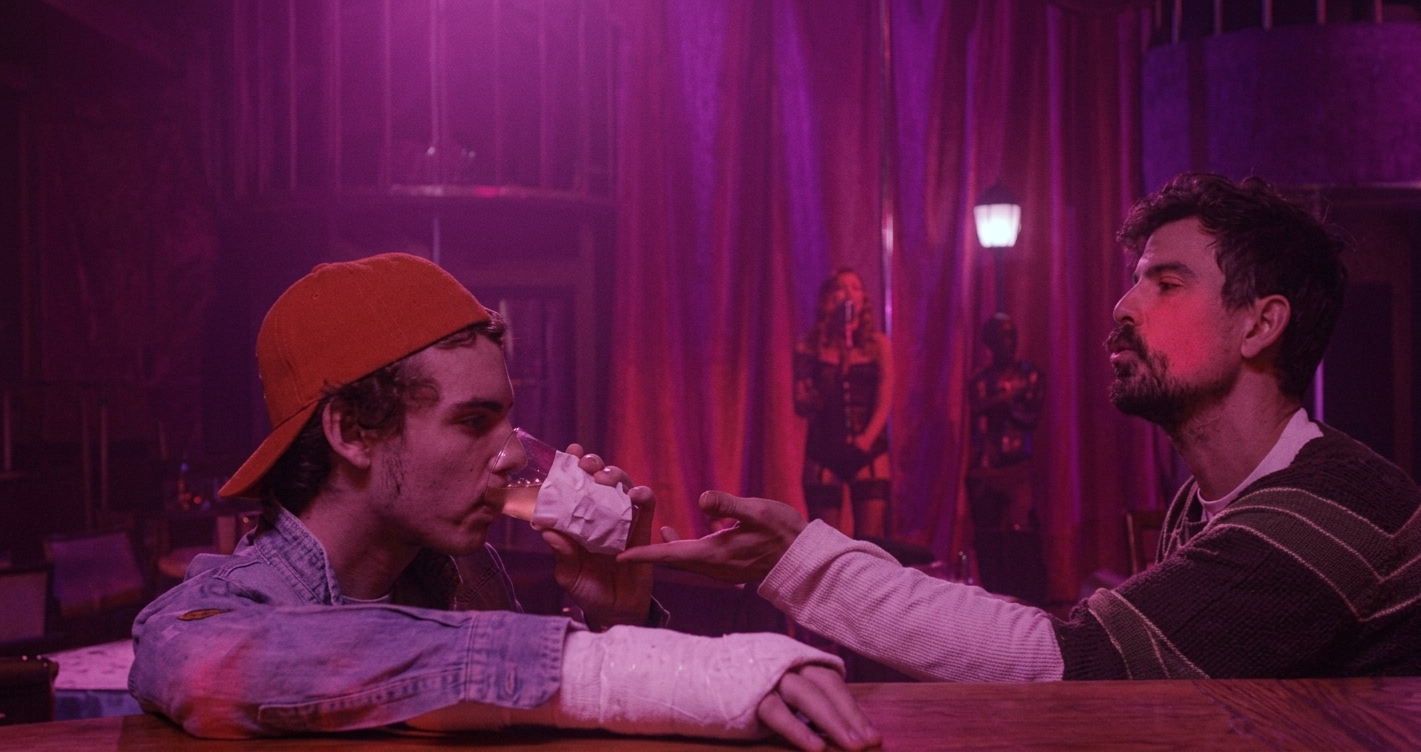
“I really miss listening to bands, not because an algorithm recommended them to me, but because a person recommended them to me. I really miss that when you went to a gig, the next day you went to where the young people gathered, which in Maracaibo was behind the Lago Mall, and you talked about what you experienced. I really miss the fact that cultural movements or social subcultures had a place to go and were sheltered by the rest of the people who were like them,” says the filmmaker.
Although the film was filmed eight years ago, there were some scenes that were filmed at the end of 2020, which delayed, among other things, the release of This is not Sad Face. “There were a lot of bureaucracies that delayed everything. In independent films, with low resources, any little thing that happens to them unbalances everything,” says Salaverría.
With This is not Sad Facethe Maracucho filmmaker wants more people to be interested in what is done in the state of Zulia and in the rest of the country related to cinema, music or any artistic manifestation. “Right now there are very good bands in Maracaibo, but the crisis and lack of support is what prevents them from standing out,” says the filmmaker, who believes that it is necessary to decentralize the cultural scene in the country.