It is not known with certainty what happened August 19, 1936, when The poet Federico García Lorca was shot to death by the militias of the rebel side against the Second Republic of Spain. Historians and chroniclers, among them Ian Gibson, debate the uncertainty of the event: was the poet murdered for his verses, his ideas or his sexual preferences? One thing is certain: in a conservative Spain, in the midst of the Civil War, García Lorca’s death occurred after his art denounced what no one dared to say.
His popularity and sensitivity were undeniable. Friend of great figures of the time such as Salvador Dalí, Luis Rosales, Jorge Guillén and Pablo Neruda, Lorca was a prominent member of the Generation of ’27. Her verses were profound and her symbolic plays gave women a voice that had been denied to them; but, for many, Lorca was more than a poet or a playwright.
“It wasn’t cold, it wasn’t hot, it was Federico,” Guillén wrote about him. With his personality he could change the atmosphere of any place he arrived at. His ideas were profound, sensitive and also, for their context, very controversial. He did not hesitate to express how much he detested partisan politics and resisted pressure from his friends to join the Communist Party. This led him to be perceived as liberal, a fact for which he frequently suffered attacks from conservative sectors.
The year of his death, Spain was experiencing one of the most violent scenarios in its history after the coup d’état of July 17 and the beginning of the Civil war. Lorca was aware of the danger and was horrified by the idea of armed conflict, but he continued to publicly support the progressive reforms of the Republic. He became a target for those who, with weapons, sought to seize power.
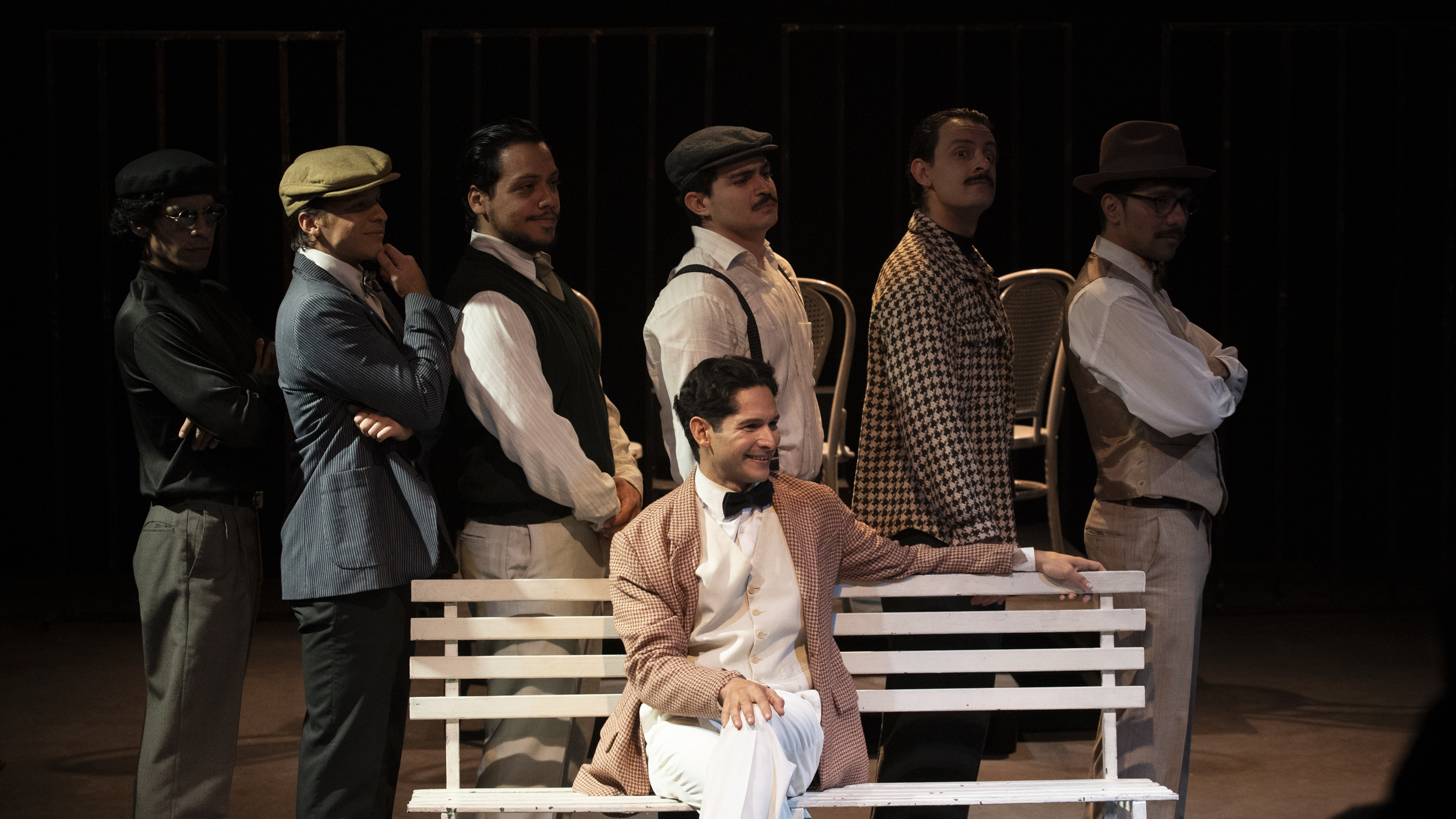
Passionate about music and voracious reader, his tragic end gave rise to multiple hypotheses. What really happened that day that his remains have not even been found? Did they betray him? Did they shoot him for his ideas, his art or for his romances considered immoral for the time?
The mystery served as inspiration for the Spanish playwright José Antonio Rial (1911-2009), based in Caracas, to write the play in 1969 The death of García Lorca. The piece premiered in 1979 in the Rajatabla room under the direction of the group’s founder, Carlos Gimenez. As a “representable testimony of a murder,” the text consists of three acts and a prologue, as well as an introduction by Isaac Chocrón in the edition published by Monte Ávila Editores in 1975.
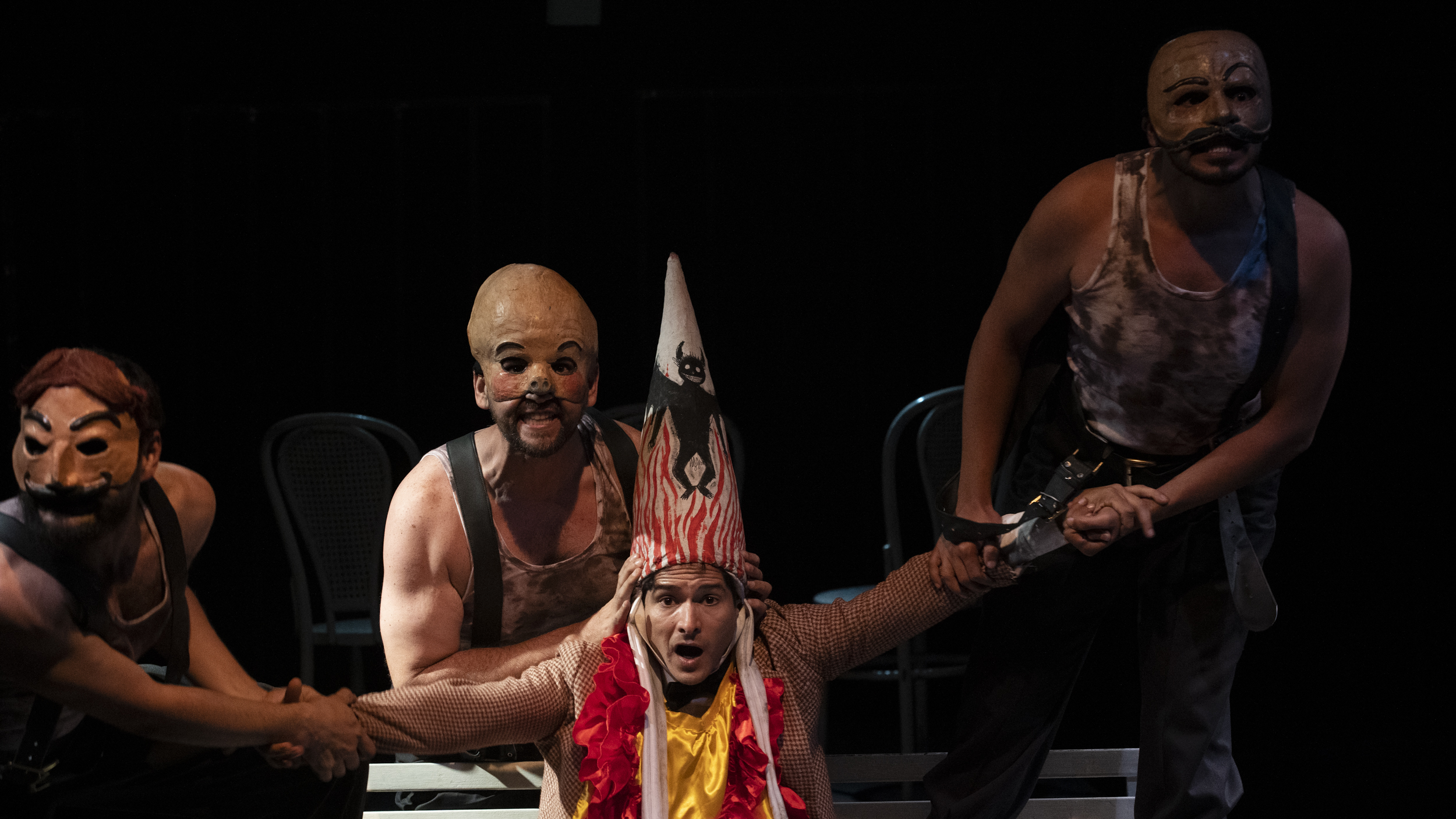
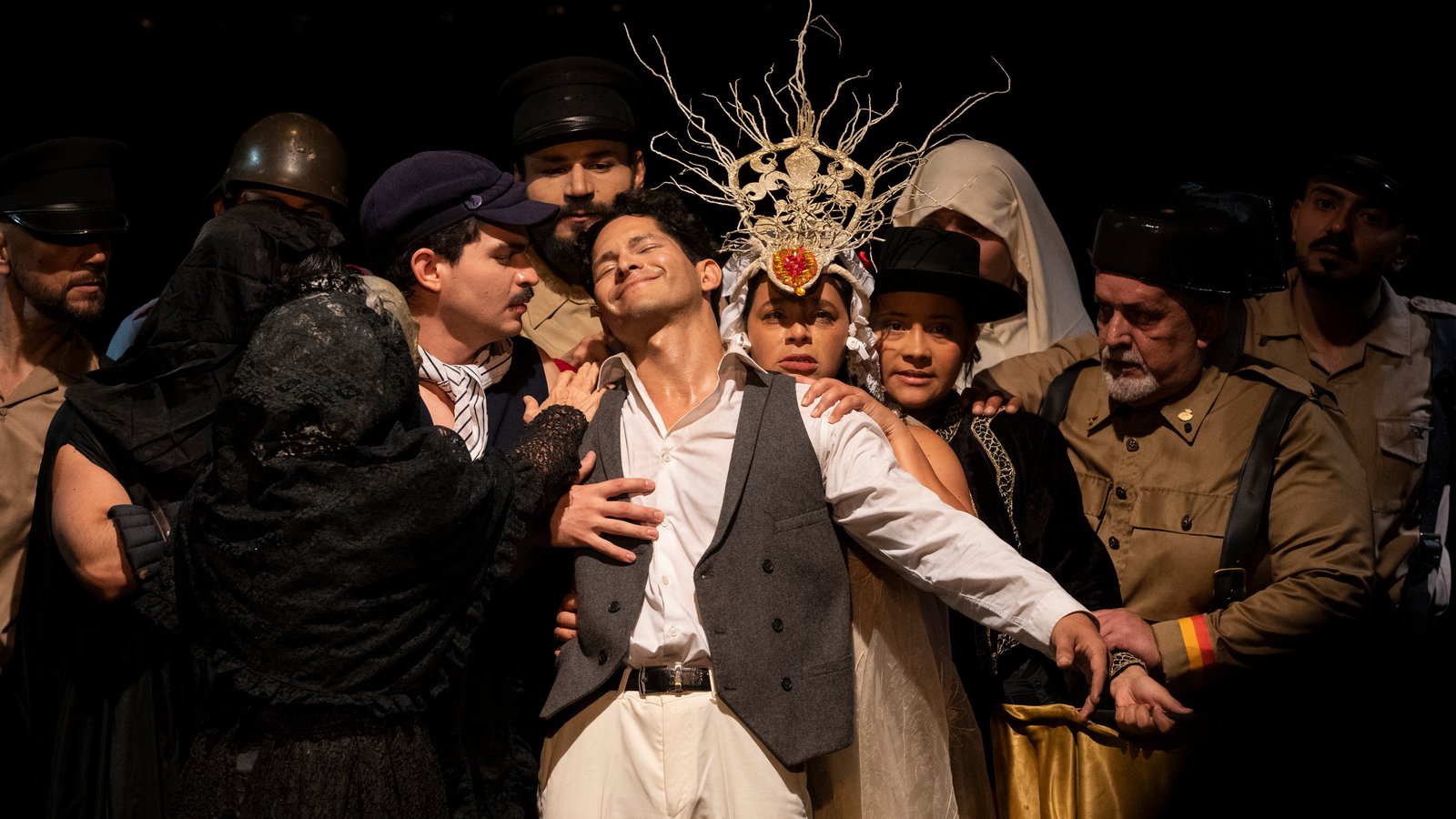
This 2026, within the framework of the 90th anniversary of the poet’s death, director Marisol Martínez brings the piece back to the stage. The production was re-released on October 9 in the Rajatabla room as a tribute to the founder of the group in its 55 years of experience. In its dramatic structure, the work recounts what happened during Lorca’s last days from different perspectives.
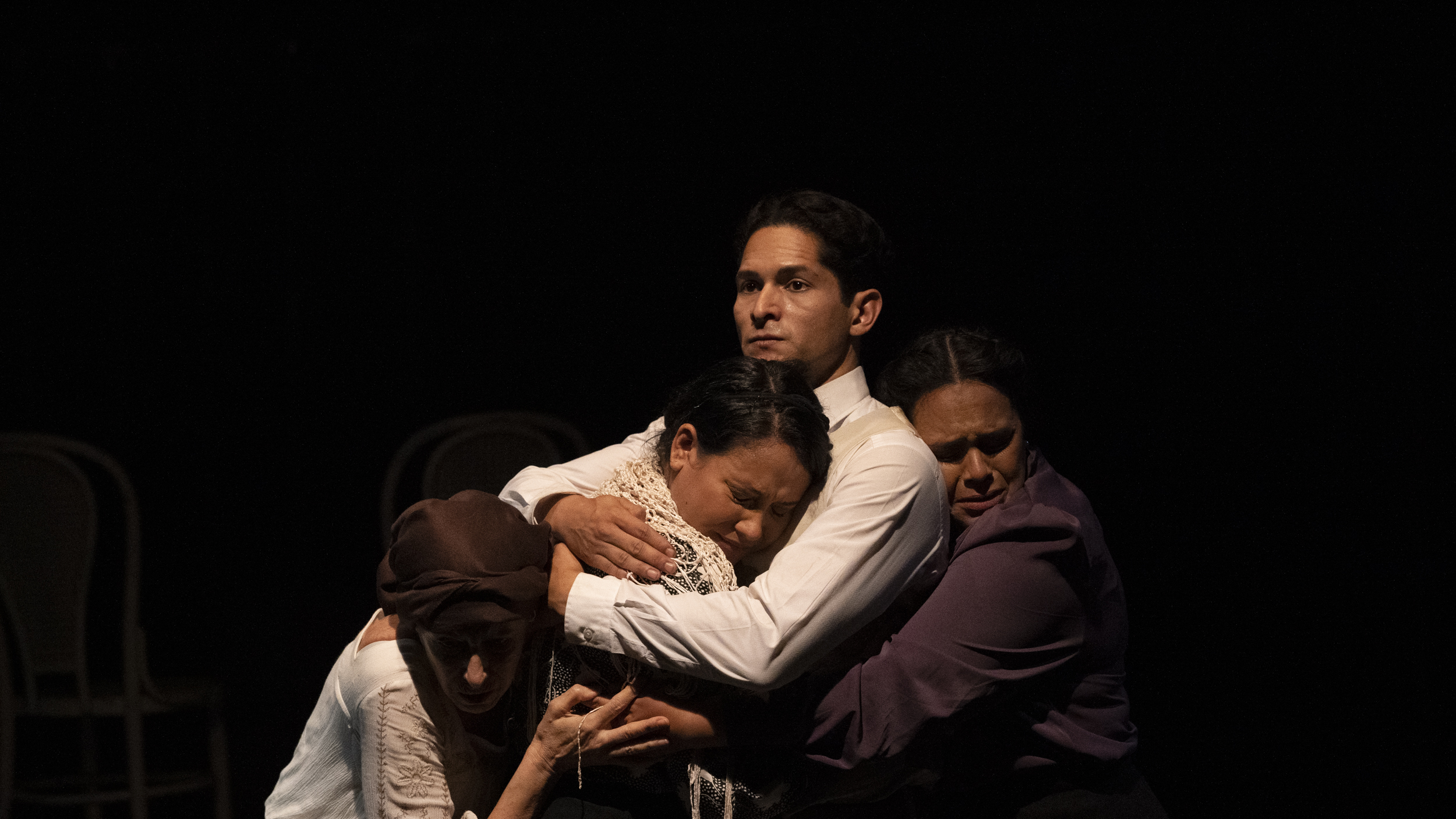
On stage you can see the chroniclers – biographical characters – discussing what happened in Spain in 1936, when Lorca rejected the political asylum offered by Colombia and Mexico. The young 38-year-old poet (played by Augusto Morales) is also represented in his family moments. On stage, the relationships he maintained with his friends and even his feverish dreams, loaded with symbolic images, are evident.
With a cast of 15 artists, The death of García Lorca will be presented until November 1st with performances on Fridays and Saturdays at 6:00 pm and Sundays at 5:00 pm. Tickets can be purchased at the theater box office for $8.
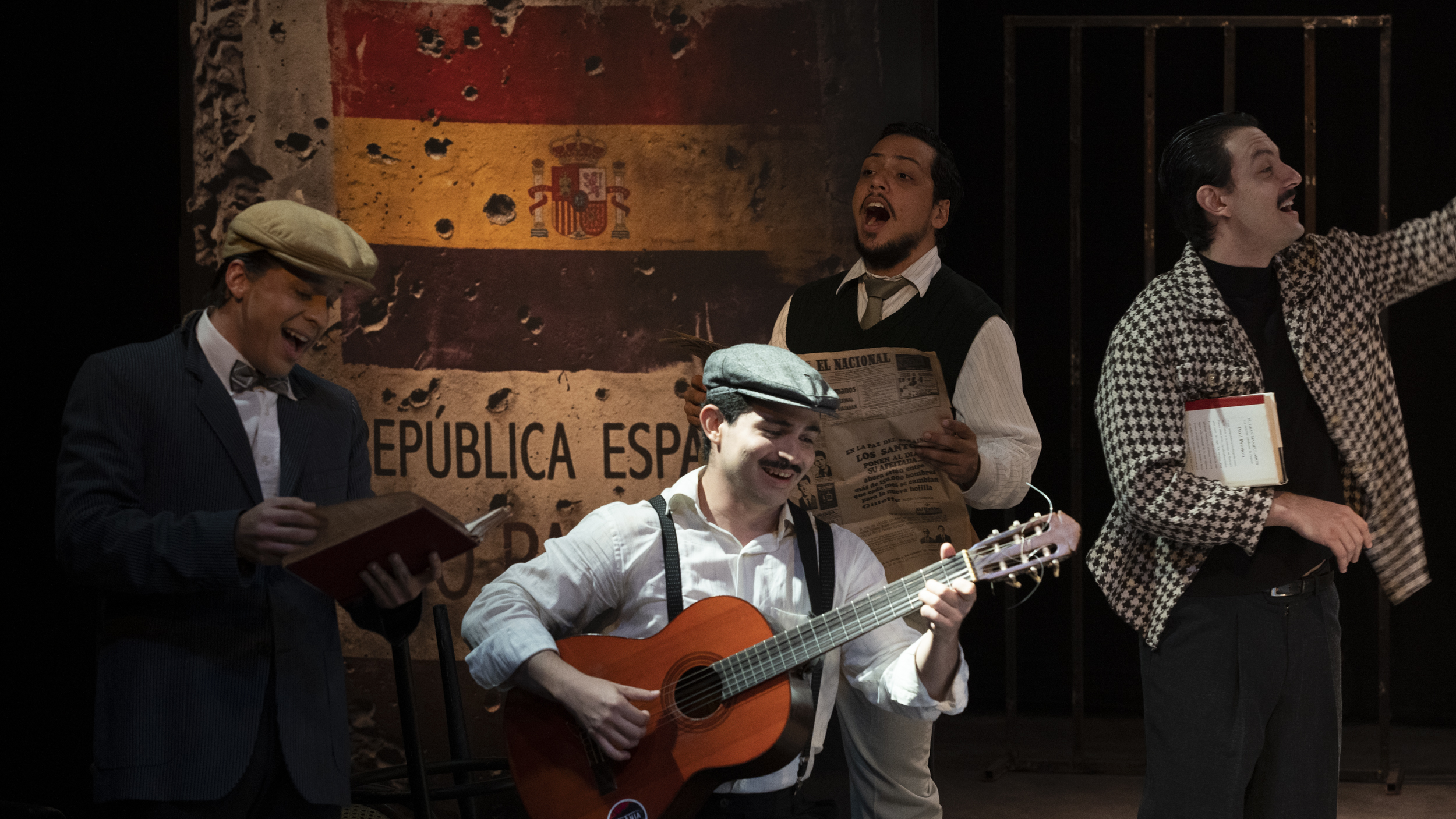
The last days of García Lorca
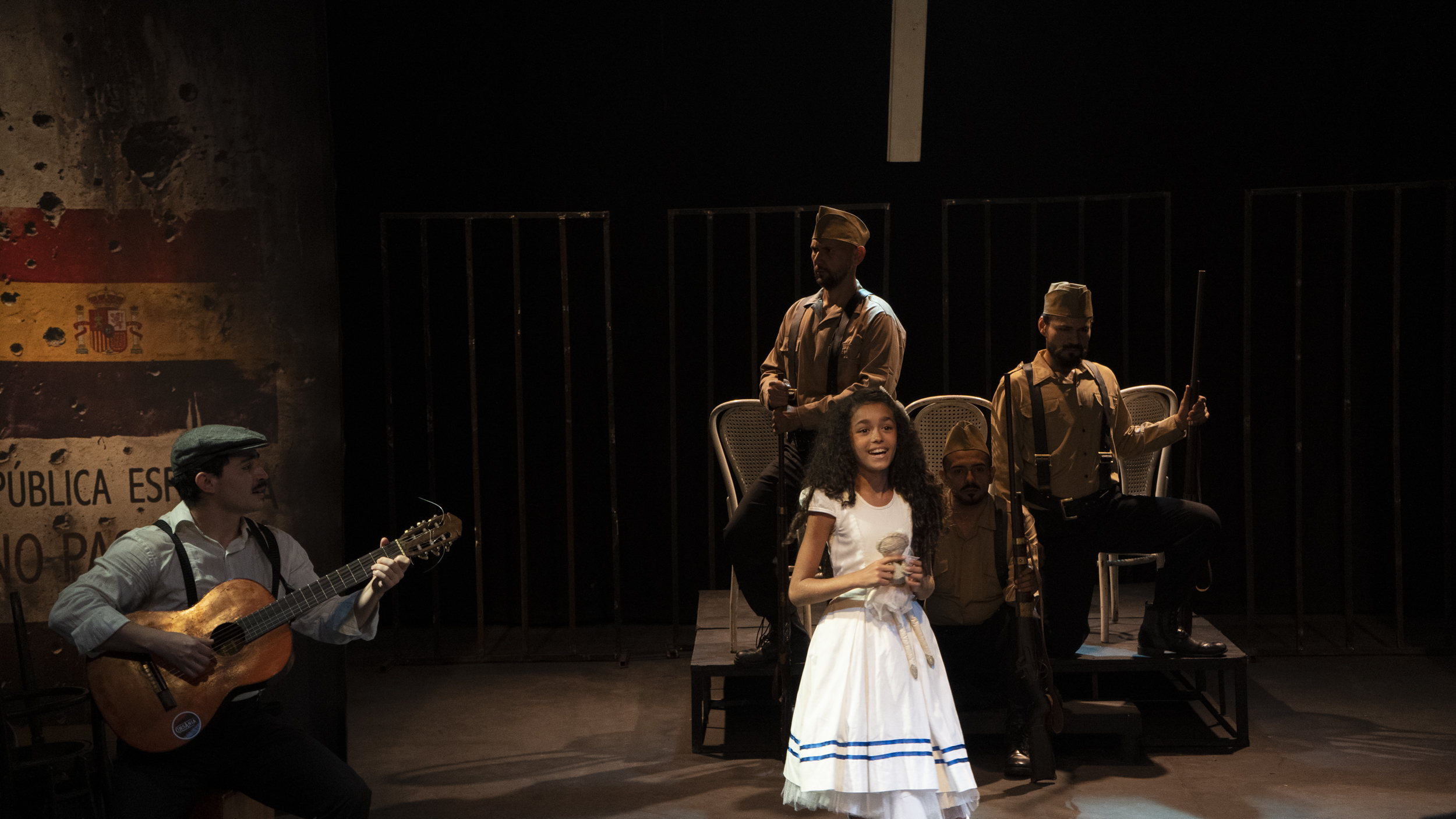
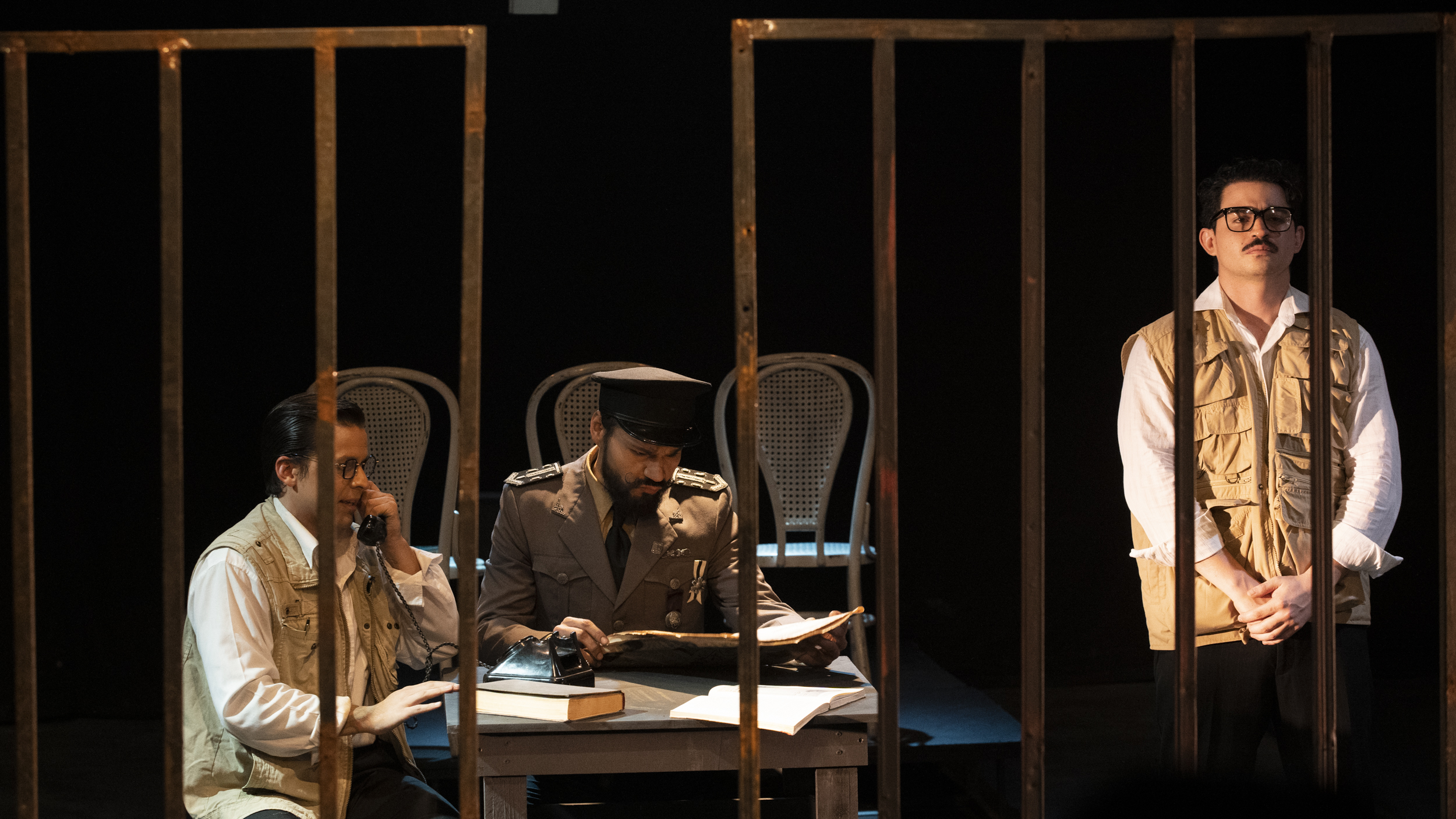
In 1936, the political situation in Spain was critical. In the staging, the tension is evident through a stage where the chairs are piled up like a barricade and a minimalist set design shows leaky flags by the bullets. The tensions between left and right generated a climate of uncertainty and fatalism that Rial captures from the beginning.
At the beginning, the steps of the rebellious soldiers echo along with the songs of the birds that Lorca heard in the parks with his friends. War seemed inevitable; however, the poet did not stop his plans nor his artistic activity. That same year he completed one of his most famous works: Bernarda Alba’s house.
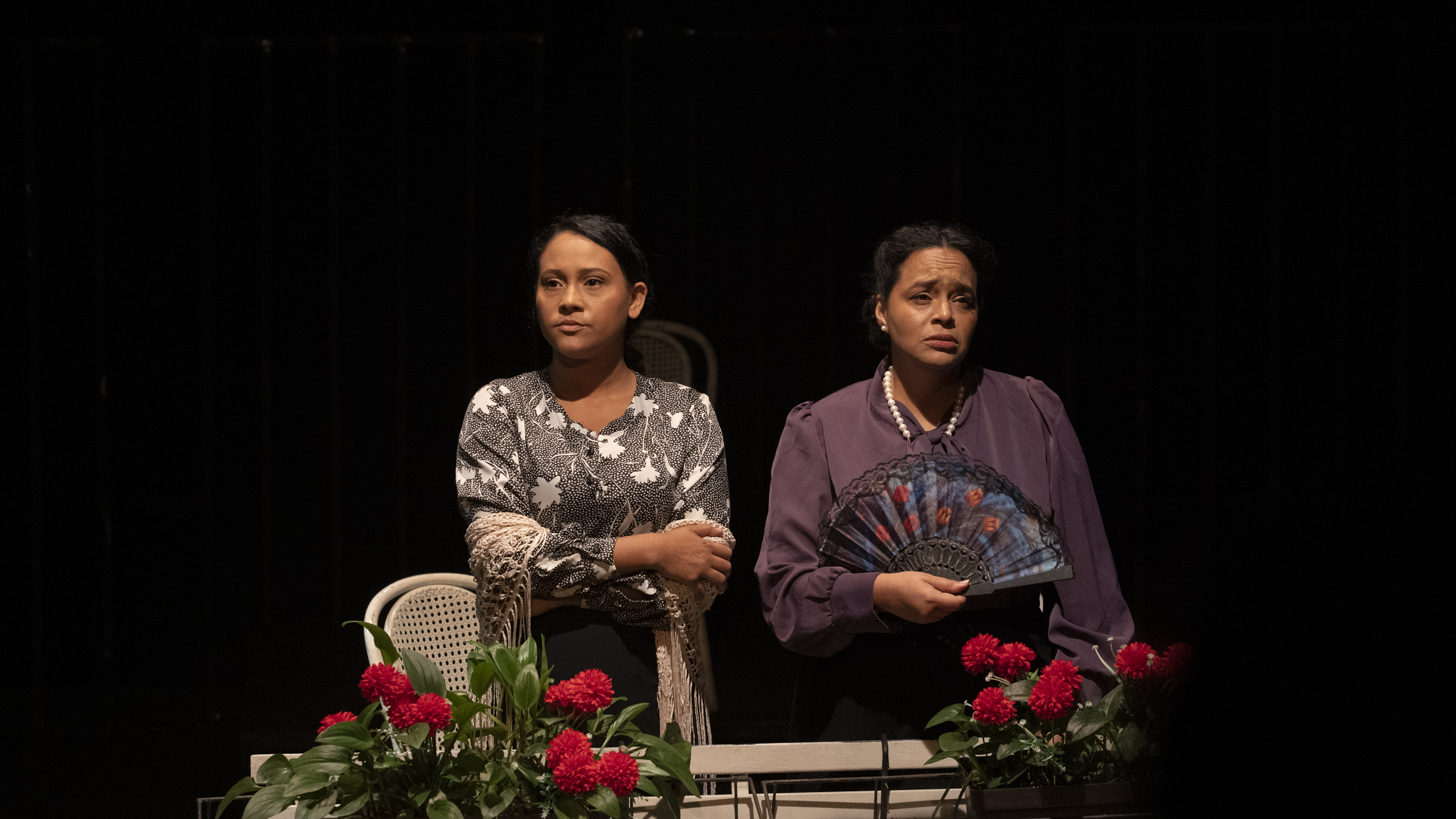
The piece is a criticism of the hypocrisy, prejudices and obsession with morality of wealthy families. Lorca continued to offer statements to the press about social injustices, which made him an uncomfortable character for the right. In the work, this tension is reflected when the armed soldiers confront the poet amid applause and music.
Intuiting the war outbreakLorca decided to go to Granada with his family. On July 14, 1936, he arrived at the Huerta de San Vicente and four days later he celebrated the festival of San Federico with his sisters Isabel and Conchita. On July 17, the military uprising broke out in Morocco: war was already a reality.
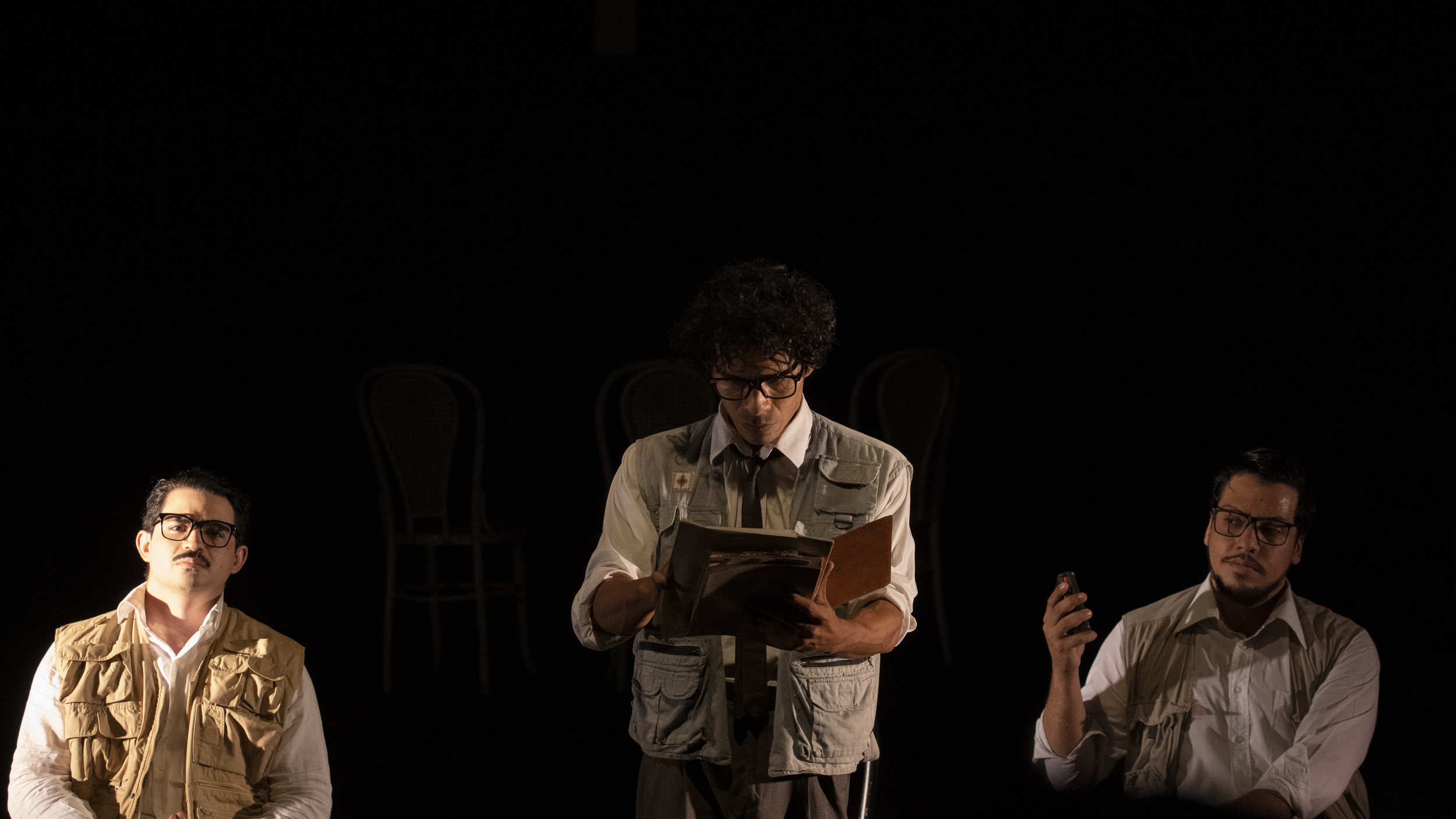
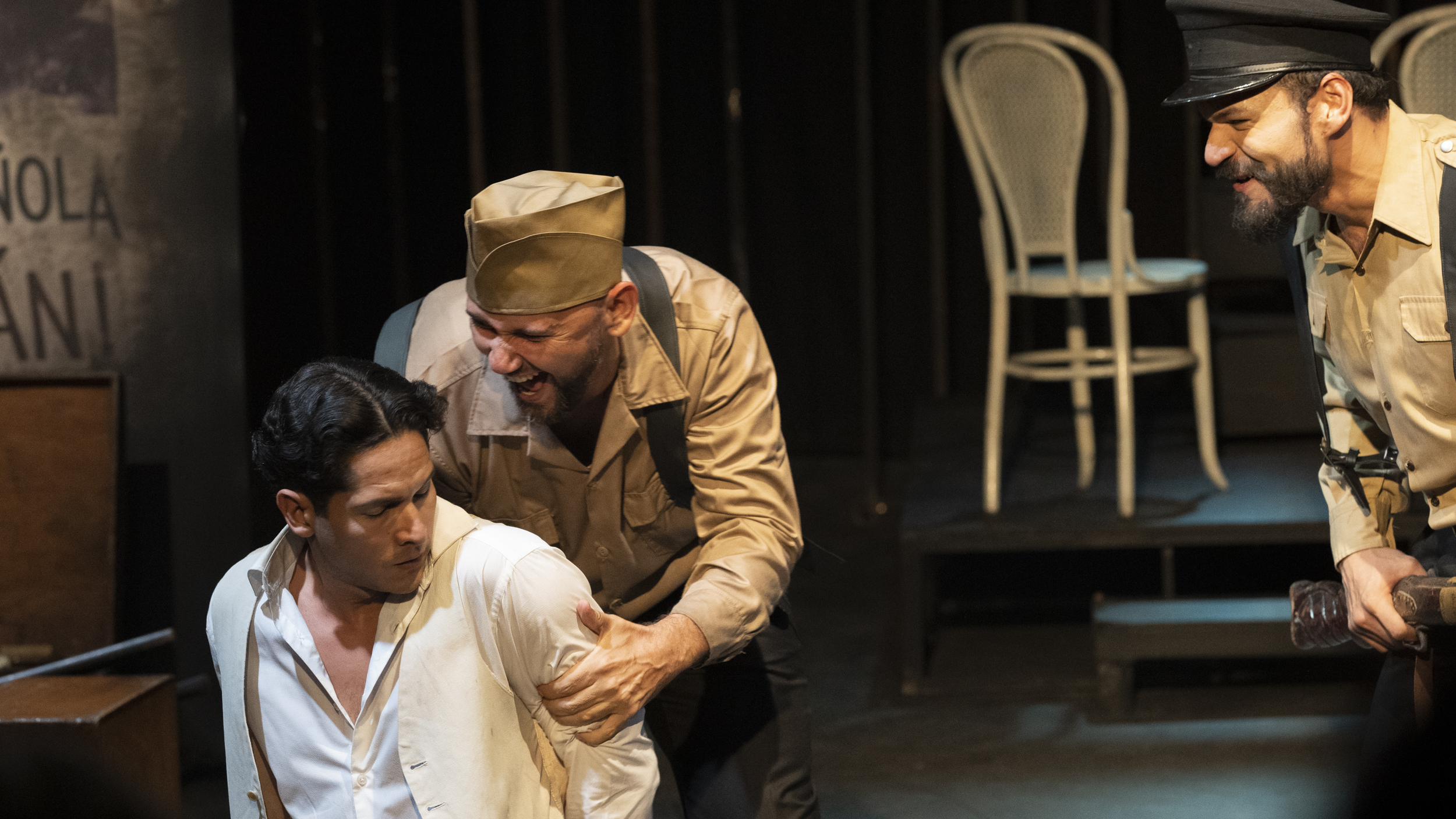
Aware of the risk of staying in the family garden, he weighed several alternatives and decided to stay at the Rosales house, in the center of the city, given his trust with the brothers of the poet Luis Rosales, prominent Falangists. The afternoon of August 16, 1936 He was arrested by Ramón Ruiz Alonso, a former right-wing deputy who reported him to the civil governor of Granada, José Valdés Guzmán. His capture involved an extensive military operation that Rial recreates as one of the highlights of the montage.
The house was surrounded by guards and police whom the public does not see, but hears. According to Ian Gibson, Valdés consulted the procedure to follow with the detainee, to which they responded: “Give him coffee, a lot of coffee.” Lorca was accused of “being a spy for the Russians, being in contact with them by radio and being homosexual.”
Finally, they transferred him to the Civil Government and then to the town of Víznar, where he spent his last night in a makeshift prison along with other detainees. Among them was the national teacher Dioscoro Galindo, who in the work insists on accepting death with dignity.
“How much is a poet worth?”
For a year and a half, director Marisol Martínez had the desire to carry out a project that commemorated the life and work of Federico García Lorca. Among several options, he decided on the text by José Antonio Rial, considering it a dramaturgy. rich in perspectives about the shooting.
“The validity of this work is not in talking about a playwright who died 90 years ago, but in the resistance that art has through each one of us,” he comments. Rial’s text unmasks—indicates—an established power that does not recognize or vindicate art as a tool for social transformation.
The speech remains valid nine decades after the events: “This work talks about a poet who is murdered because they are afraid of himbecause with his verses he is changing ideas, because he is talking about things that are not said and that is what art does.”
Art does not seek to confront the system in an empty way, but rather to transform it and question it. Therein lies the significance of this story. For Martínez, today more than ever the theater union must vindicate the role of poets as a sensitive heritage of humanity: “They are the ones who collect all the human part that is reflected less and less because now we are closer to technology and artificial intelligence. We are disconnecting from things what the theater talks about and of which art speaks.
Lorca did it in his time: he gave a voice to women in works where they were the true protagonists. The price he paid was persecution. “He speaks of what is not said and gives a voice to women in a conservative Spain, in a Spain also in the midst of the Civil War.”
After its premiere in 1979, The death of García Lorca It was presented at the Festival of Stable Theaters in Florence (Italy) in 1980. The following year it was part of the Guanajuato International Theater Festival (Mexico). At that time, the newspaper The Country of Spain published a report denouncing the reluctance of Spanish theaters to bring the play to the stage, since even in the eighties the subject continued to be shrouded in taboos.
“There has been many interested in taking the work to the stage Spaniards, but they have always retreated thinking about the pressures they may receive later. And it is not that my work highlights violent events of greater significance than those in the story of the poet’s death itself, but that in this country there are still taboos and the murder of Lorca is one of them,” Rial declared to the Spanish media at that time.
After the commotion generated by censorship and its subsequent international recognition, The death of García Lorca It finally premiered in Spain on July 9, 1982 at the María Guerrero Theater in Madrid.
Rajatabla opened its doors
When Carlos Giménez directed the original production, he had a cast of up to 40 actors on stage. Martínez managed to adapt it to fifteen performers: Luis Carlos Boffill, Araceli Prieto, Sandra Moncada, Verónica León, Augusto Morales, César Núñez, Jorge Rivero, Josh Araujo, Kevin Genova, Luis Golding, Martín Áñez, Martín Patric, Miguel Osío, Poleo Aloisi and Carlota Freychet.
Over the course of one hour and 45 minutes, the actors embody multiple characters (chroniclers, historical figures, prisoners, soldiers and artists) using part of the costumes from the 1979 production. Martínez did the table work together with his assistant director, Glenda Medina, in order to rescue the essence of Giménez’s vision and Rajatabla’s characteristic seal.
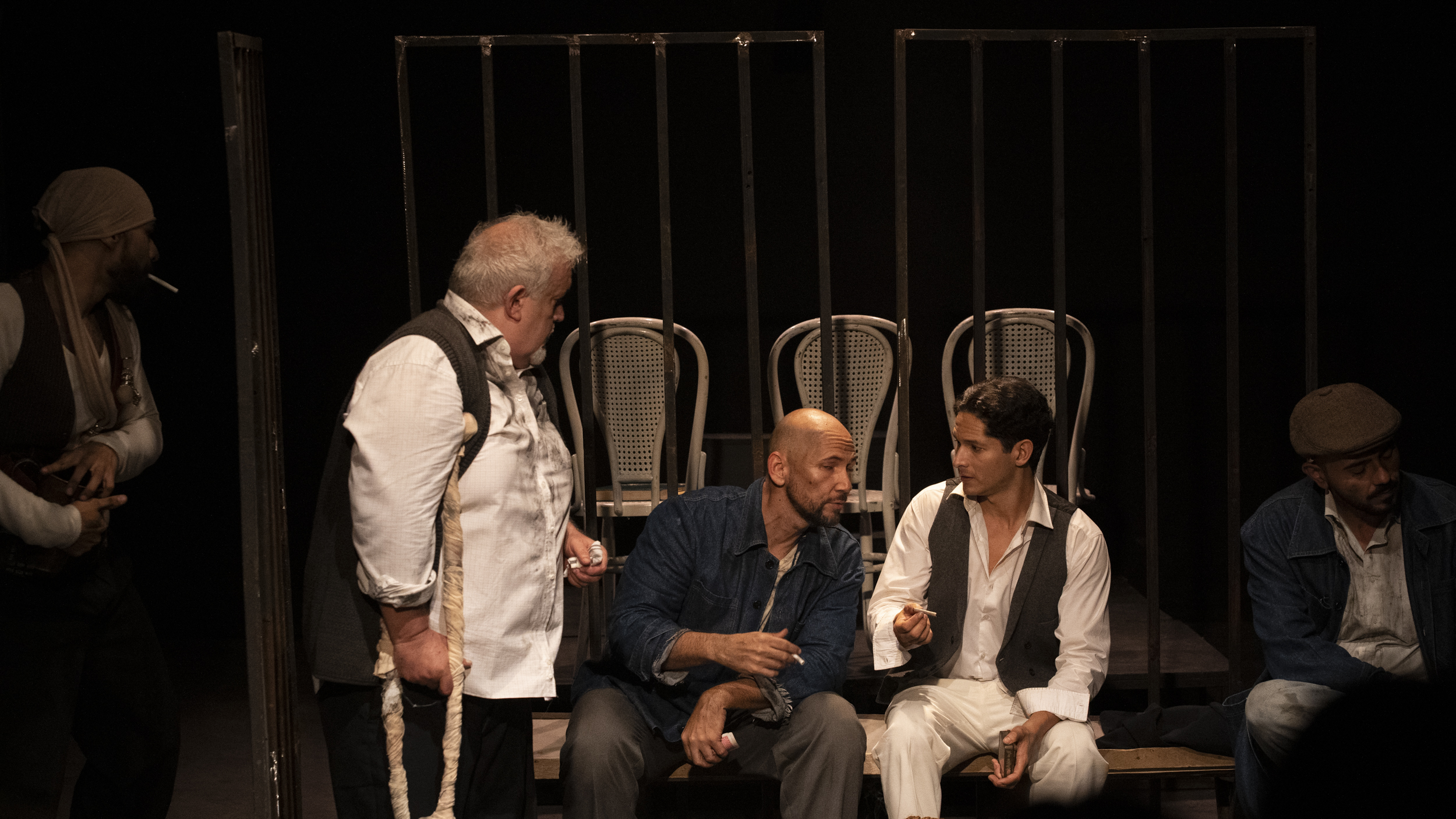
Subsequently, the director decided to call open auditions to incorporate new talents. “The cast is large. We wanted to see new faces, also give opportunities, we know that there is a lot of talent in Caracas and it was a good time to open the doors. A stage is always going to be a viewing platform,” he comments.
The assembly process took three months. Although he highlights the group’s talent, Martínez recognizes the complexity of working with large casts in the current context, since production dynamics have changed since the late 1970s.
Despite the challenges, the production maintains the traditional stage images that characterize the group’s hallmark. The result is a historical drama enriched with poetry, symbolic signs, live music and a deep reflection on the figure of Federico García Lorca.
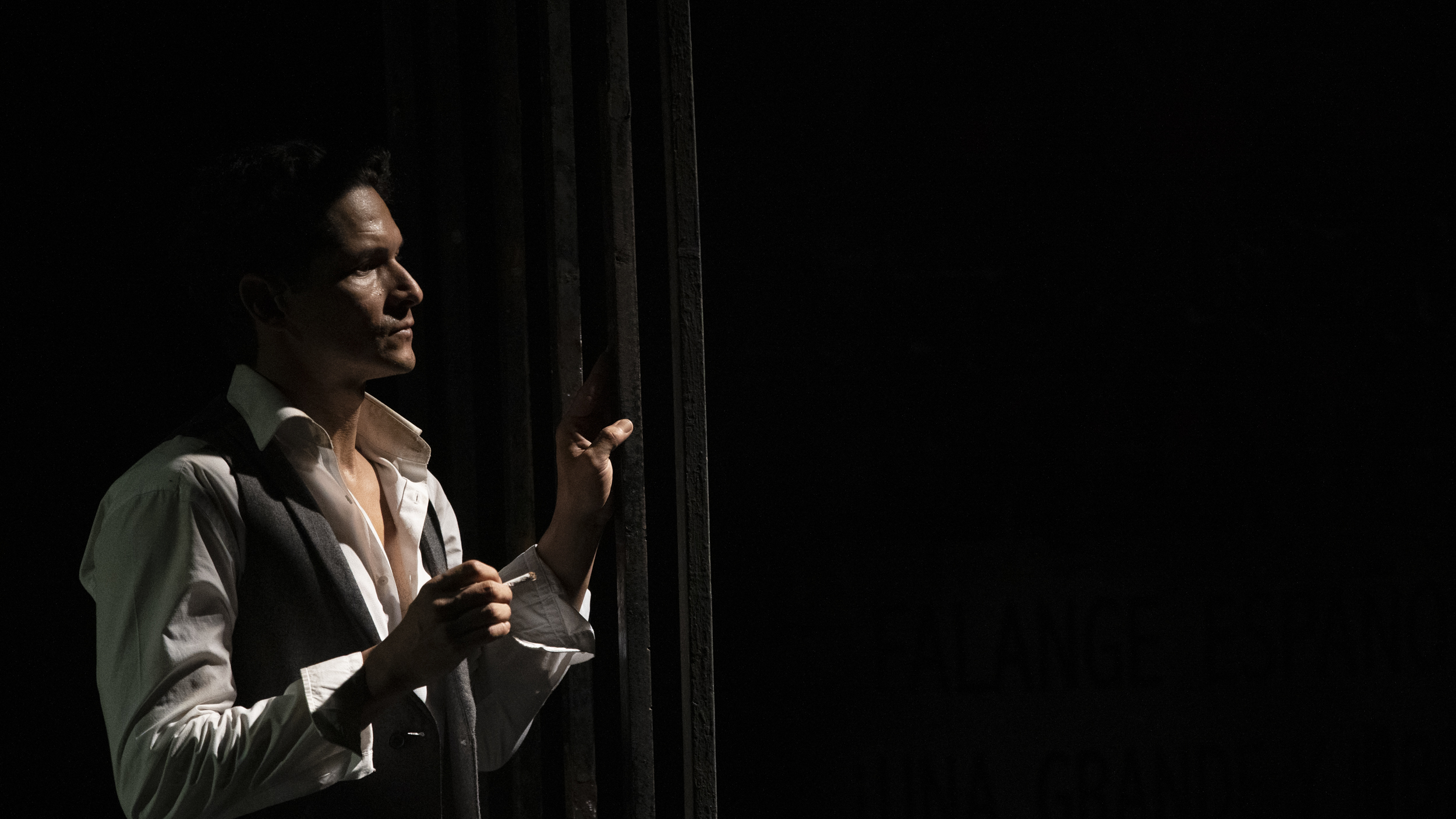
“What he was for his time and for the artists who surrounded him, who were his peers, it is unmentionable. What it also meant for the artists he trained, the artists with whom he made his theater group, with whom he toured towns, made caravans, took art to the communities. And when he went out to the communities he collected many stories and that is why his work has so much substance. All of García Lorca’s characters are universal, they are not talking about a country or a place, no. “They are reflecting us all.”