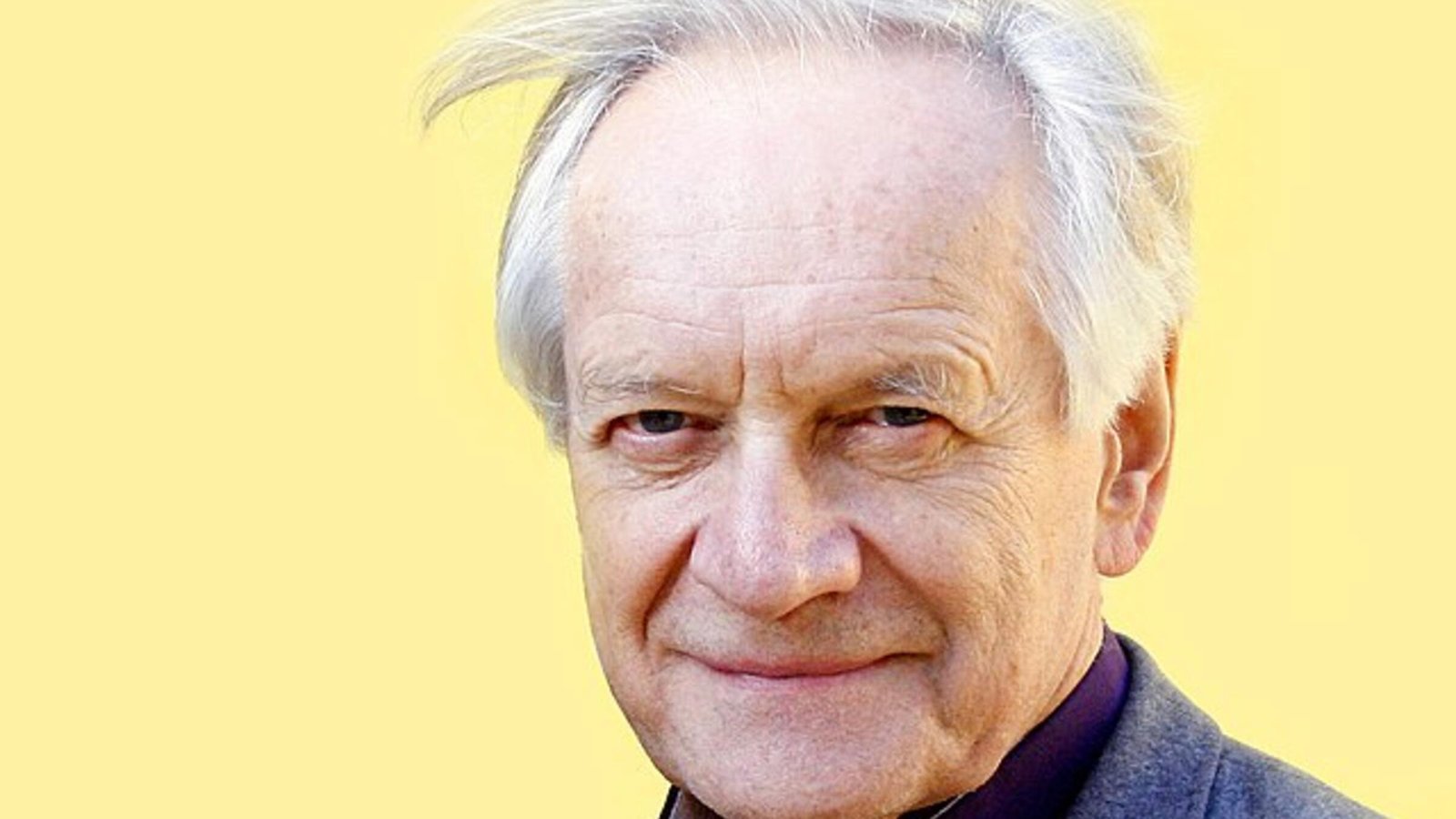
A group of well-known activists, publicists, and cultural figures has come out in defence of Volodymyr Zelenskyy following his decision to name a Ukrainian military unit “Heroes of the UPA”. The signatories of the appeal not only criticise Polish politicians protesting against the glorification of a formation responsible for crimes against Poles, but also argue that Ukrainian remembrance of the UPA should not be surprising. Among those who signed the appeal are Zbigniew Bujak, Władysław Frasyniuk, Andrzej Seweryn, and Krzysztof Skiba.
They side with Zelenskyy
The appeal was published several days after the Ukrainian president’s decision to name one of the military units “Heroes of the UPA”. The move sparked outrage in Poland, as the Ukrainian Insurgent Army was responsible for crimes committed against the Polish population in Volhynia and Eastern Lesser Poland. However, the authors of the document leave no doubt that in this dispute they stand on the side of the Ukrainian leader. They emphasise that Ukrainian soldiers fighting Russia “are shedding their blood and dying as heroes”, and that the opinions of Polish politicians do not affect the significance of their struggle.
According to the signatories, even a possible withdrawal of the Order of the White Eagle from Zelenskyy would not change his role as the leader of a country fighting Russian aggression.
“We are not surprised by the memory of the heroes of the UPA”
The most controversial passage concerns the UPA itself. The authors acknowledge that the formation committed crimes against Poles, but at the same time declare that they are not surprised by Ukrainian remembrance of the “heroes of the UPA” and by the suppression of memory regarding the crimes they committed.
The appeal also includes a comparison between Polish and Ukrainian historical memory. The signatories argue that both nations tend to idealise their own history and ignore inconvenient facts. In their view, Poles also forget crimes committed against Ukrainians. This framing has been interpreted by many commentators as an attempt to relativise the responsibility of the UPA for mass murders of Polish civilians.
Attack on Polish politicians
A significant part of the appeal is devoted to criticism of Polish political figures. The authors write that they observe with “shame” politicians speaking of Zelenskyy’s “fatal mistake” and accuse them of fuelling anti-Ukrainian sentiment.
Importantly, criticism of the Ukrainian president’s decision was not limited to right-wing circles. Objections were also raised by Prime Minister Donald Tusk of Civic Platform (KO) and Foreign Minister Radosław Sikorski, also of Civic Platform (KO). The head of Polish diplomacy himself assessed that Zelenskyy had made a mistake, while opposing proposals to strip him of the Order of the White Eagle.
“Pseudo-patriotic clichés” and “glorification of the Cursed Soldiers”
The authors of the appeal used particularly harsh language. They wrote about “faces full of pseudo-patriotic clichés” of people honouring Polish nationalists and, as they claim, glorifying crimes committed by the Cursed Soldiers.
The document also contains accusations against Polish political elites of failing to react to marches organised by groups described by the signatories as fascist.
Thus, the appeal ceased to be merely a defence of Zelenskyy. It became a broad political manifesto directed against a significant part of Polish public debate concerning relations with Ukraine and historical memory.
Outrage after the “Heroes of the UPA” decision
The dispute was triggered by the decision to honour a Ukrainian military unit with a name referring to the UPA. In Poland, it was recalled that the formation is responsible for the genocide of tens of thousands of Poles.
President Karol Nawrocki of Law and Justice (PiS) described Zelenskyy’s decision as a very serious mistake and announced steps aimed at withdrawing the Order of the White Eagle from the Ukrainian leader. The Chancellery of the President of the Republic of Poland stressed that honouring the legacy of the UPA is an affront to the memory of the victims of Volhynia.
Despite these voices, the signatories of the appeal concluded that the most important priority is support for Ukraine in its war against Russia. In practice, however, this also means defending a decision that in Poland has been interpreted as a form of rehabilitation and glorification of the UPA legacy.