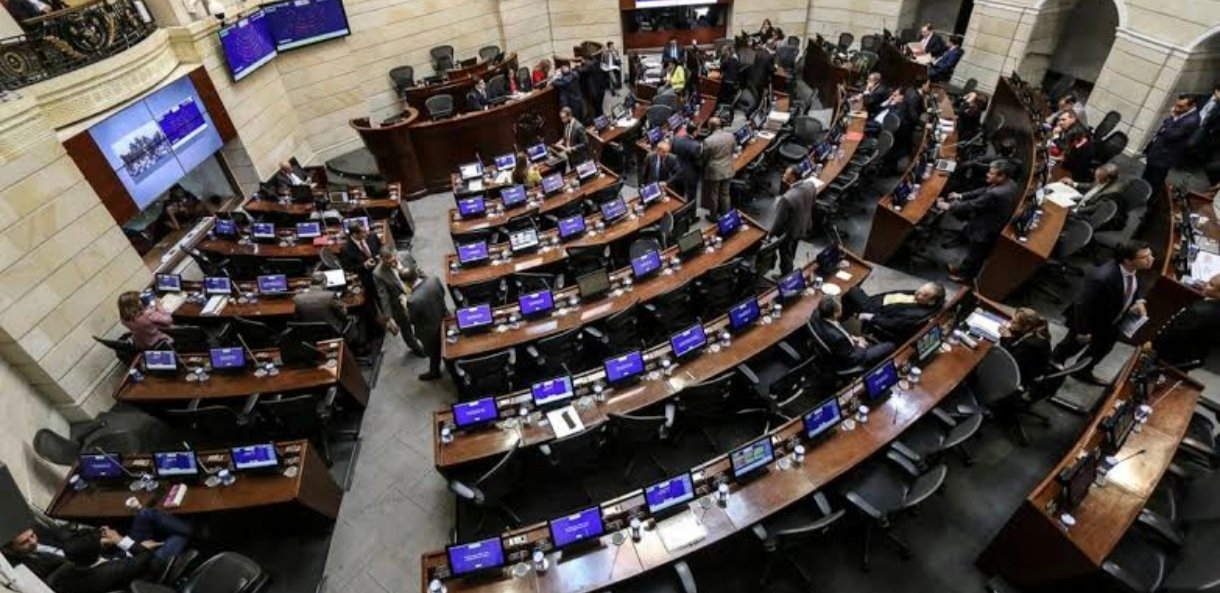
The United States House of Representatives concluded its last day of voting in the plenary session early, beginning an extended legislative recess that will last until November 9, after the holding of the mid-term legislative elections.
The cancellation of the session that was scheduled for this Thursday was announced by the office of the Republican representative and coordinator of the majority caucus, Tom Emmer.
The modification of the schedule shortened the legislative period with the explicit purpose of allowing parliamentarians to return to their respective electoral districts to focus on the final stretch of the partisan campaigns.
The early recess has immediate repercussions on the parliamentary calendar, by blocking the processing of the privileged impeachment resolution (impeachment) filed Tuesday by Republican Rep. Tom Massie against the Secretary of Defense, Pete Hegseth.
Having been introduced through a priority procedure that requires its formal consideration within two legislative days, the cancellation of Thursday’s session deactivates the legal obligation to submit the measure to a vote in the plenary session of the Lower House.
The resolution promoted by Massie formulates eight charges against Hegsethpointing him out for conducting military operations not authorized by Congress against Iran, as well as for carrying out attacks against alleged drug traffickers without due supervision by the Judiciary.
Simultaneously, the early suspension of the legislative debate blocks the treatment of the initiatives promoted by the Democratic caucus in recent weeks, which sought to establish regulatory security frameworks and regulatory safeguards against the development of artificial intelligence.
The decision to reduce the activity of the Chamber during September responds to the strategy of the president of the legislative body, the Republican Michael Johnsonwho had suspended two weeks of work arguing the paralysis of the parliamentary agenda in the Senate.
“At this point, it almost seems like an exercise in futility that we continue to send and accumulate legislation there, when members could be in their districts campaigning at this very crucial time,” House Speaker Mike Johnson argued in defending the suspension of the sessions.
The Republican leadership specified that it will maintain the power to emergency convene all members of Congress to resume legislative work in the event that the Senate activates the treatment or advances in the discussion of strategic projects before the date set for the formal resumption of activities.