US and Iranian officials have agreed to end the war, end Washington’s blockade of Tehran and reopen the Strait of Hormuz. This initial pact caused oil prices to fall, but the fate of Iran’s nuclear program was left for further negotiations.
“The deal with the Islamic Republic of Iran is now fully complete,” US President Donald Trump wrote at around 5:30 PM Washington time on Sunday.
“I hereby fully authorize the opening of the Strait of Hormuz without any charges, and at the same time, I order the immediate lifting of the blockade by the United States Navy. Ships of the world, start your engines. Let the oil flow!” said the US leader.
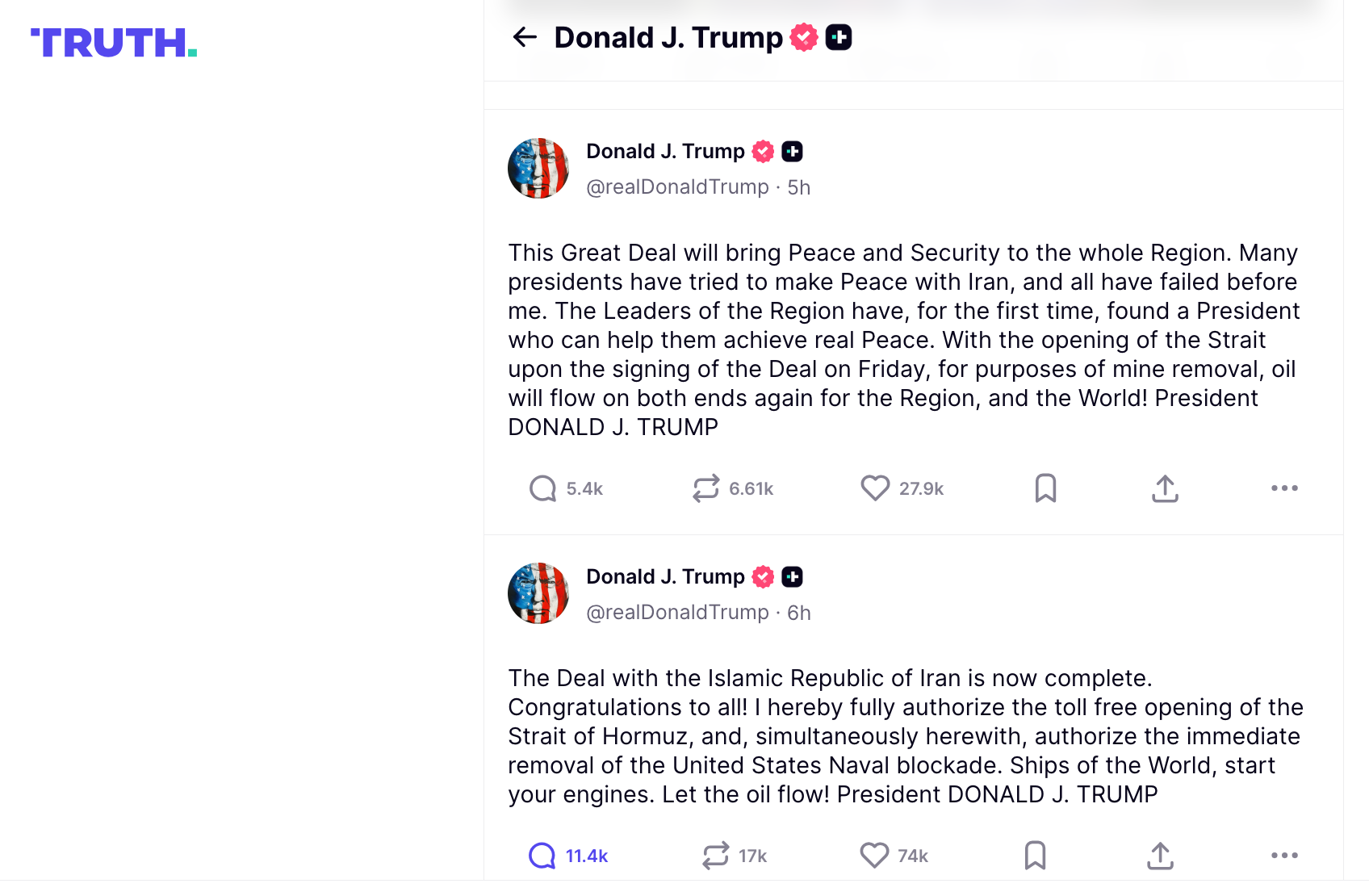
Trump’s post came shortly after Pakistani Prime Minister Shahbaz Sharif, who served as a mediator in the war, announced the deal early Monday.
Sharif in his post this pact “immediate and complete cessation of military operations on all fronts, including in Lebanon” said that he would keep it in mind.
Lebanon was becoming one of the most contentious issues in the talks. Because Israel and Hezbollah have been ignoring the calls of Trump and others to stop attacking each other in recent weeks.
Reuters as writtenthe memorandum of understanding is scheduled to be officially signed in Switzerland on Friday. However, the exact terms of the agreement are not yet known.
Iran also confirmed
According to the statement of the Secretariat of the Supreme National Security Council of Iran, war and military operations will be completely stopped on all fronts, including Lebanon, from Monday evening.
According to Iran’s Deputy Foreign Minister Kozim Gharibabadi, a more comprehensive agreement, including the easing of sanctions against Iran, will be discussed during the 60-day ceasefire period.
Another complex issue – the fate of Iran’s nuclear program – will also be discussed in these next negotiations.
Before the deal was announced, a senior Iranian official said the U.S. would agree to unblock $25 billion in frozen Iranian assets. The Trump administration has previously stated that any return of Iranian money will be made only after Iran fulfills certain conditions under the peace agreement.
Israel, which did not participate in the US-Iran talks, has not yet commented on the announcement.
Opening of Hormuz
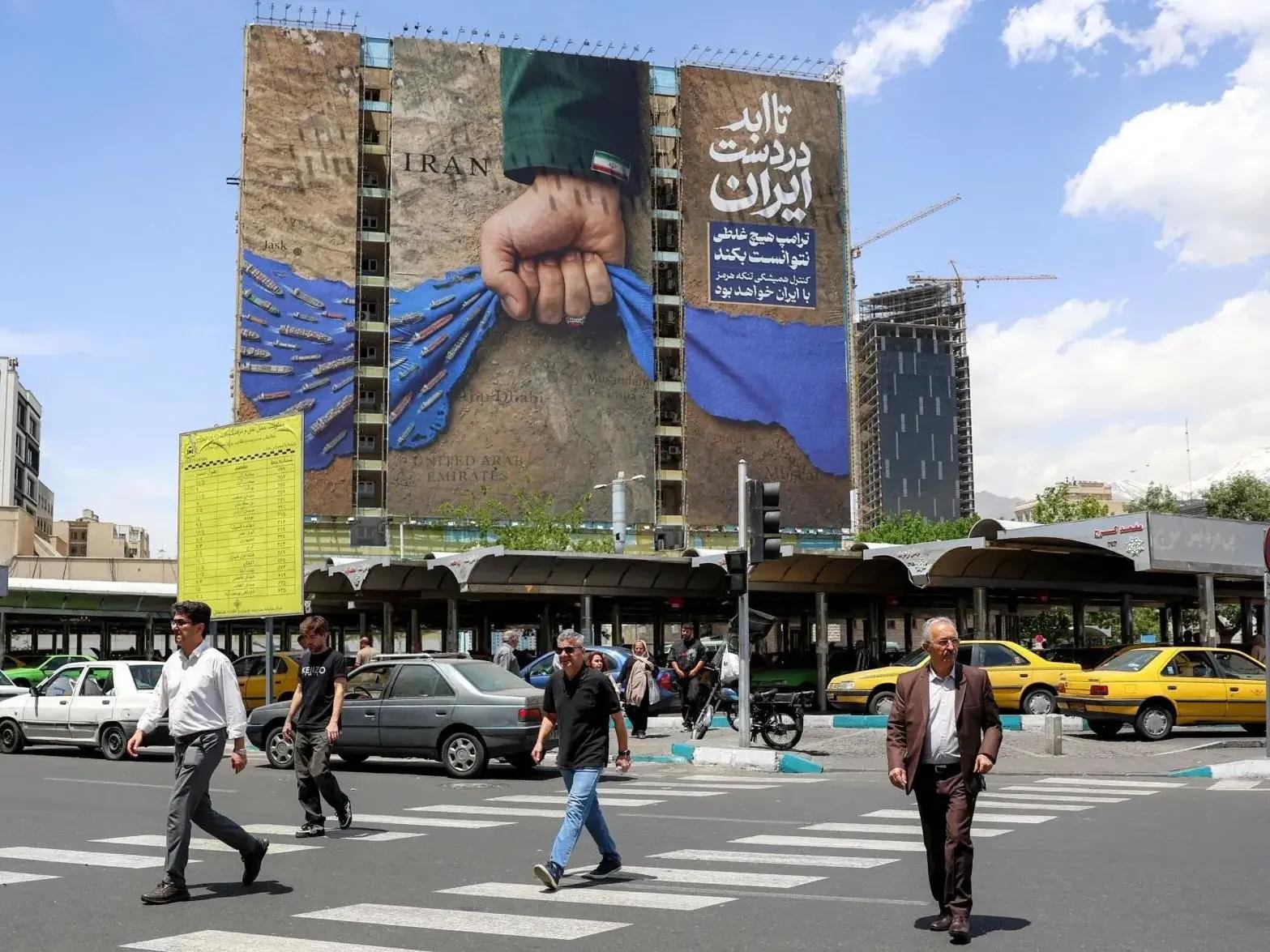
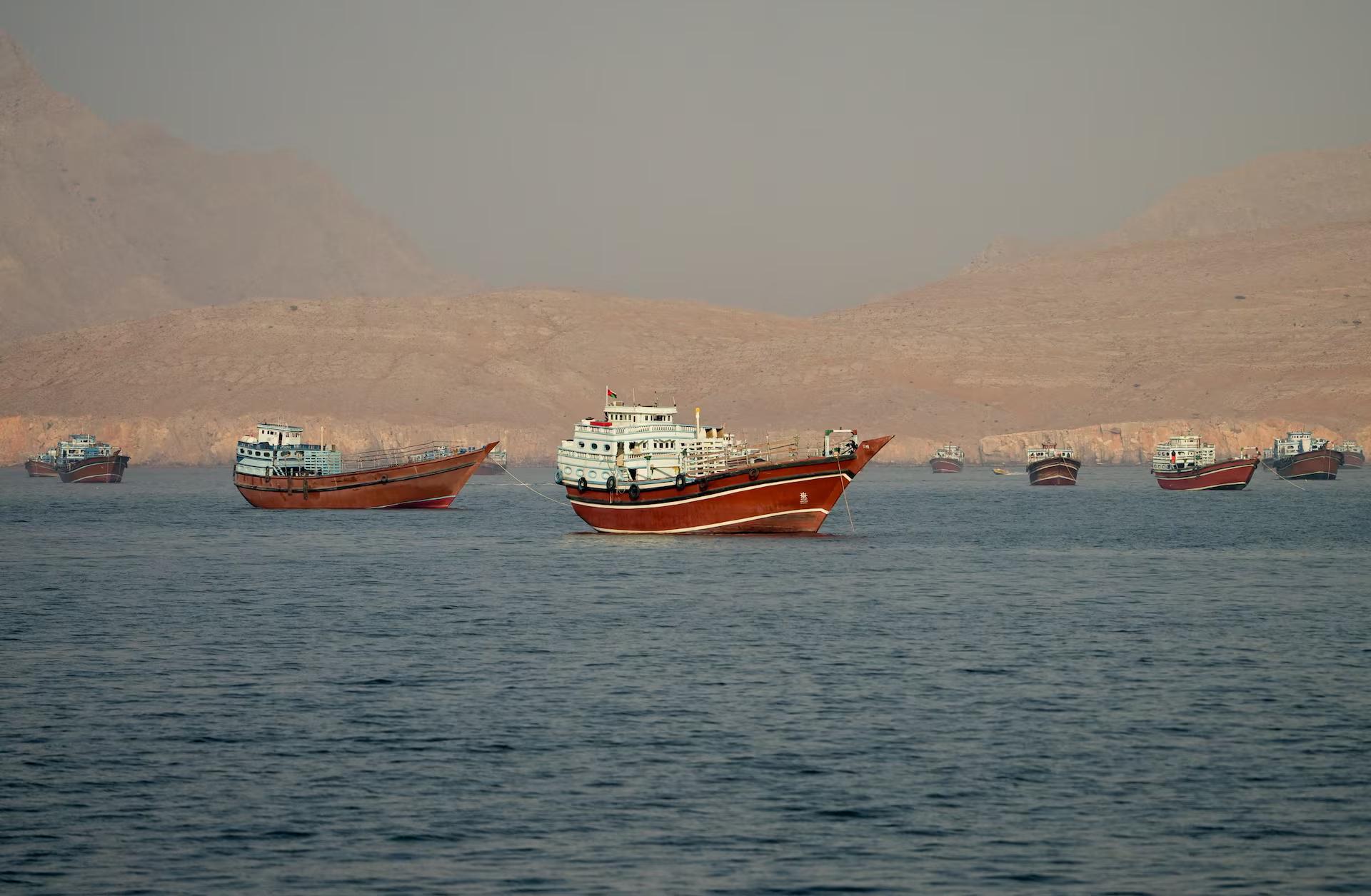
Trump said the Strait of Hormuz, a key shipping route for the world’s oil and gas supplies that Iran has effectively blocked for months, would reopen on Friday. He himself ordered the US military to end the blockade of Iranian ports.
“Ships of the world, start your engines. Let the oil flow!” Trump wrote.
According to Reuters, oil prices fell after this news. In particular, Brent oil futures fell by 4% in early trading on Monday. There was a sharp rise in Asian stock markets.
Matthew Miller, a former spokesman for the State Department during the Biden administration, said that Trump has made serious concessions to Iran in order to return to the status quo before the start of the war.
“There is no guarantee that the issue of the nuclear program will be resolved at all. However, Iran has shown the whole world that it can hold the global economy hostage and demand something from the United States in return. said Miller.
Thousands of people have been killed, mostly in Iran and Lebanon, since US and Israeli forces first attacked Iran on February 28. Iran has launched strikes against Israel and Gulf states that host US bases, effectively blockading the Strait of Hormuz and driving up global energy prices. In response, US forces blocked Iranian ports.
The Iran war has become a major domestic policy issue for Trump and his Republican Party. Ahead of November’s midterm elections, polls show Americans are deeply unhappy about rising gas prices. Trump is also facing pressure from his own party to completely end Iran’s nuclear program.
International situation
During his first term in office, Trump withdrew the United States from the 2015 multilateral Iran deal. The deal, signed under Democratic President Barack Obama, called for curbs on Tehran’s nuclear program in return for international inspections and the lifting of sanctions in return.
Following the announcement of the new deal, international leaders following the conflict welcomed the announcement.
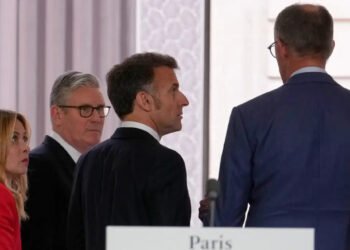
Britain, Germany, France and Italy said in a joint statement that they are ready to lift sanctions against Iran in return for “clear and verifiable steps” to curb Iran’s nuclear program.
“For us, it is clear that free and safe navigation in the Strait of Hormuz must be restored. “Iran should never have nuclear weapons.” said British Prime Minister Keir Starmer.