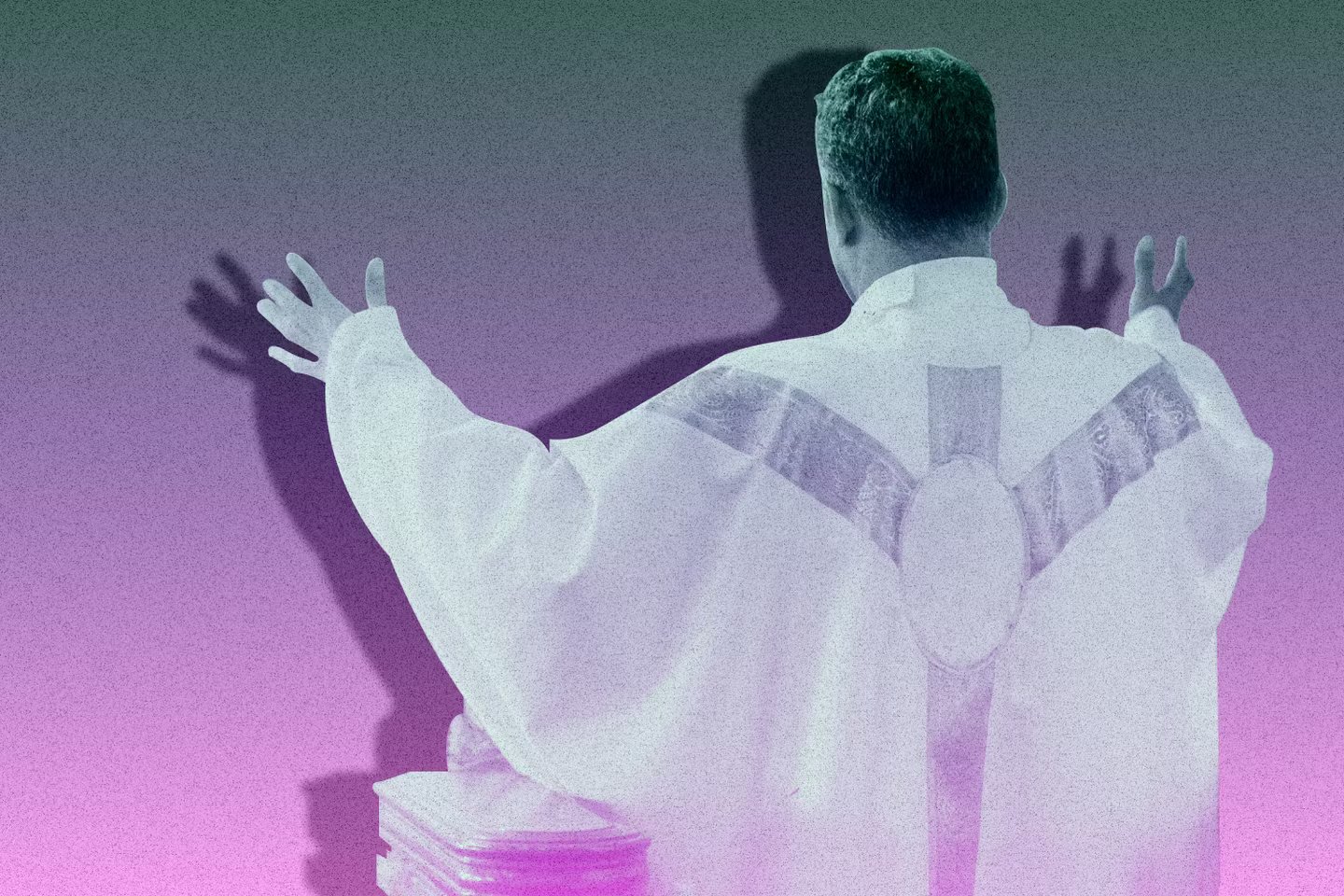
With verbal attacks from the US president and vice president targeting Leo XIV, the first pope in history born in the United States, the “Catholic question” has resurfaced in America, raising new debates over the Vatican’s political legitimacy on the global stage and the implications for Catholics.
It took time, but Catholicism eventually found a place in the US, even playing a major part in the American dream. Although a minority among a predominantly Protestant society, Catholicism has achieved a success unmatched by other faiths brought by immigration. This trajectory led some American Catholics to blindly accept, or even view as part of God’s plan, the notion that the US is an “exceptional” nation where Catholicism is destined to play a pivotal role.
Despite its remarkable vitality in the US, Catholicism has been affected by deep internal divisions that mirror the polarization of American society, divisions that became particularly evident with the rise of Trumpism in 2015. Since then, the US as a country and American Catholicism have both entered a critical phase for their identities, weakened nationally and internationally, on political and religious fronts. The Make America Great Again movement challenged the American national project and redefined the role of Catholicism in the country. While the paths of the US and American Catholicism are not necessarily identical, they are interdependent and are experiencing comparable internal conflicts.
A broken harmony
The election in 2025 of an American pope took place at a unique moment for the relationship between religion and politics in the US, 10 years after the emergence of Trumpism and at the peak of tensions between MAGA movements and “wokeness.” America is a leap of faith, and MAGA emerged as a response to radical atheism, to a crisis of faith in an America doubting itself, its founding myths, its history and its promises.
Nearly a year into his pontificate, it is particularly challenging for Leo XIV to position himself in relation to American politics, especially regarding Catholics in public life or the business world. Both spheres had not only distanced themselves from Pope Francis but also chosen to break the harmony that once existed between the social doctrine of the Catholic Church and the politico-religious conservatism of Republican Catholics.
You have 58.79% of this article left to read. The rest is for subscribers only.