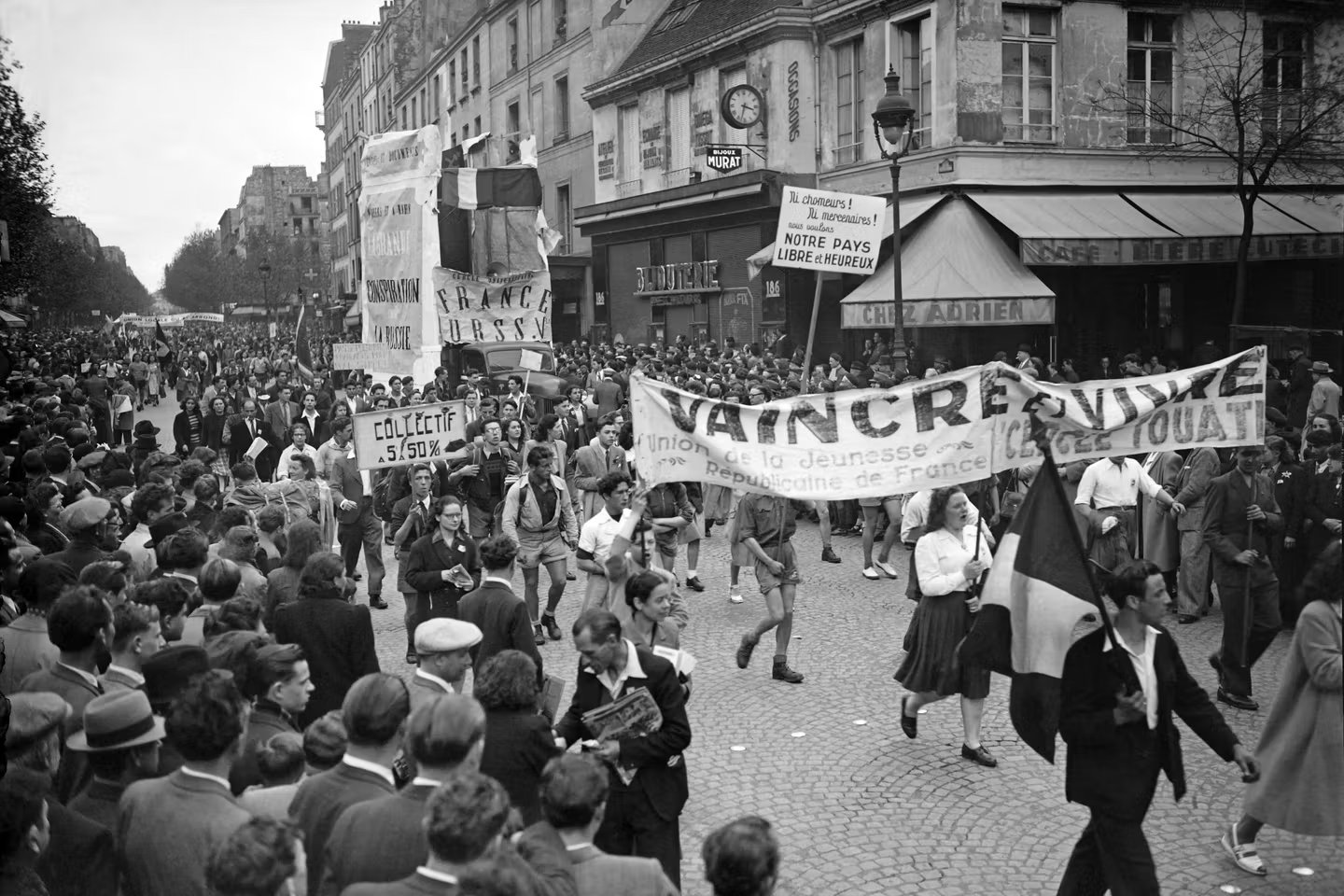
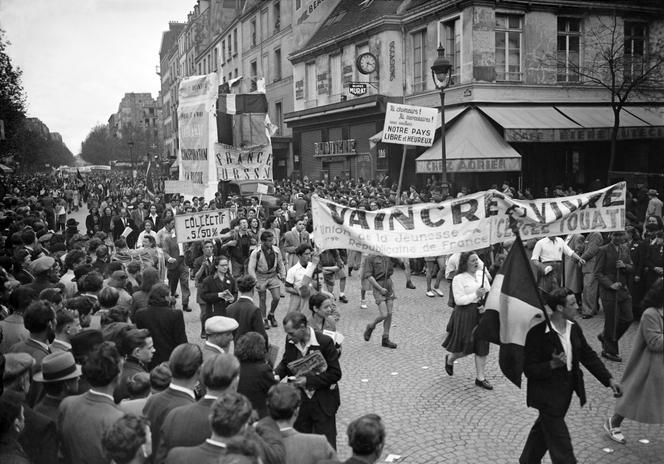
Public holiday, day of protest, sprigs of lily of the valley: May 1 is a unique annual event in France, the product of nearly 140 years of social struggle.
A rallying day to demand an eight-hour workday
May 1 emerged from the workers’ movements of the late 19th century in Europe and North America. Everywhere, the demand was the same: to limit the workday to eight hours, instead of the then-common 10- to 12-hour shifts.
In 1889, the Second International, meeting in Paris during the Universal Exhibition, adopted a resolution to organize a coordinated protest on a fixed date in all countries. “The main issue was not necessarily May 1, but rather finding a common day for action,” explained Arnaud-Dominique Houte, professor at Sorbonne University and a specialist in contemporary history. The date was chosen in reference to American unions, which called for mobilization on May 1, 1890.
At the same time, the Second International commemorated events from three years earlier in Chicago, where several workers were killed in a bombing during a peaceful assembly at Haymarket Square. Although often presented as the founding act of May 1, this episode is in fact “a reconstruction after the fact,” Houte said.
You have 76.91% of this article left to read. The rest is for subscribers only.