The Social Democratic Parliamentary Group has presented six resolution proposals in the framework of Political Orientation Debate to promote measures in matters of wages, housing, labor rights and evaluation of public policies.
Initiatives are structured around three priorities: protect the purchasing power of citizens, respond to the housing crisis and modernize the preparation and evaluation of public policies.
The PS proposes, in the labor field, to create a stable purchasing power protection mechanism so that wages evolve in a predictable way in the face of the increase in the cost of living. It also proposes that the Government draw up a technical and socio-economic study on the feasibility of a progressive reduction of the working day without salary reduction.
The parliamentary group also asks that Andorra promote the signature and ratification of the International Convention on the Protection of the Rights of All Migrant Workers and their Families.
The social democrats propose, in matters of housing, to create one National Residential Effort Index to find out what percentage of the income allocate households to access housing. According to the PS, this tool should make it possible to improve diagnosis, guide public policies and evaluate the effectiveness of the measures adopted.
The other two proposals focus on the institutional quality and the effectiveness of public action. On the one hand, the PS proposes to incorporate periodic evaluation mechanisms of laws to check if they meet the objectives for which they were approved. On the other hand, he defends the creation of a Qnational index of well-being indicators that complements the economic indicators with data on health, housing, education, social cohesion, the environment and equal opportunities.
The Social Democratic Parliamentary Group has emphasized that the proposals respond to a same vision of country and has defended that economic progress must be accompanied by “more well-being, more opportunities and more democratic quality”.
Evaluation of the Political Orientation Debate
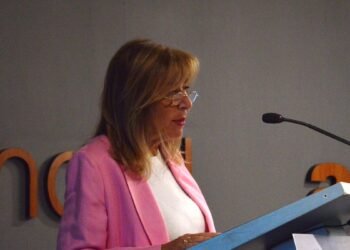
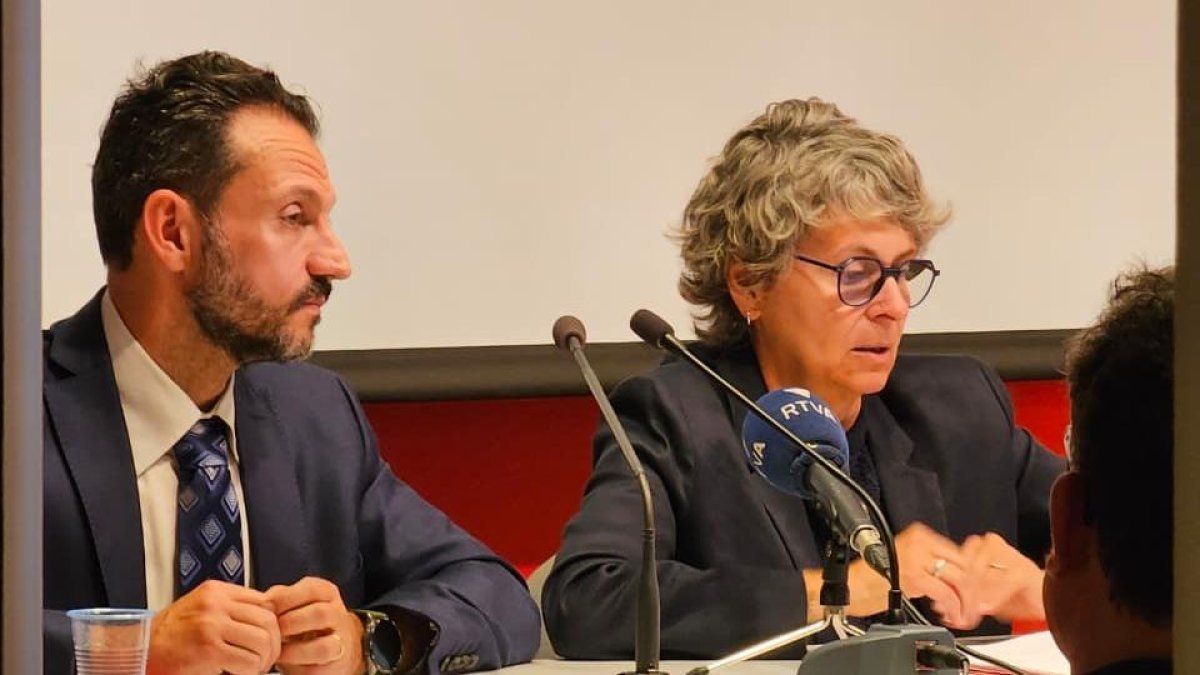
The Social Democratic Party (PS) has also ensured that the Political Orientation Debate has highlighted the need for Andorra to start “a new stage” with theswaves at the center of political decisions. This was stated in a press conference on candidate for head of government of the party, Gerard Alis, and the president of the Social Democrat parliamentary group, Susanna Vela.
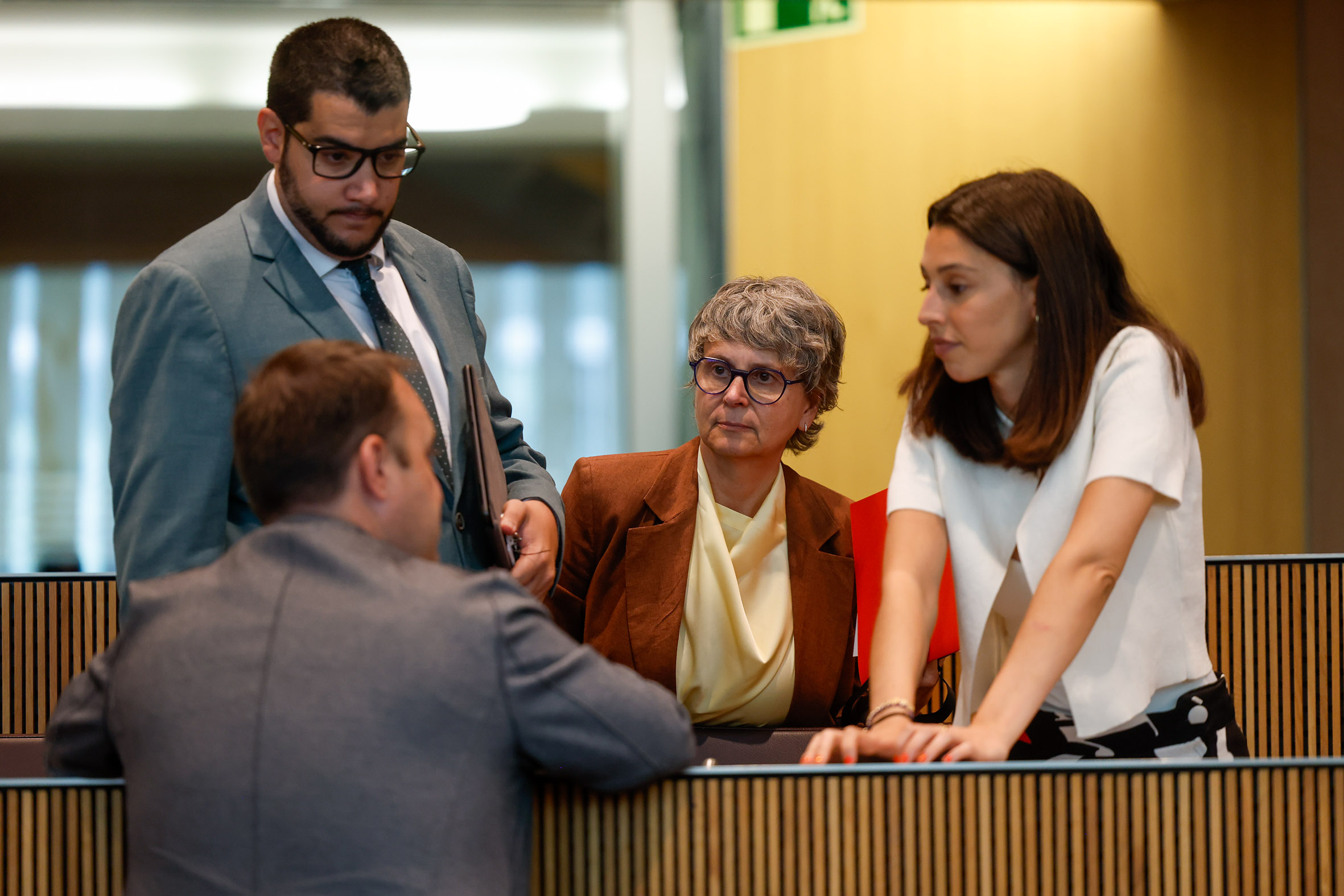
Alice affirms that the debate held in General Council has evidenced two ways “radically different” to understand the future of the country and has noted, according to the PS, the exhaustion of the model promoted by the Democrats in recent years.
The social democratic leader has maintained that the same Government has implicitly admitted that the model based on continuous growth, investment attraction and economic expansion “has reached its limit”. In this sense, he has affirmed that the fact that l‘Executive now proposes measures to limit, regulate and correct imbalances generated by the model is a sign that the model has “run out”.
Susanna Vela has defended a model in which institutions are oriented to guarantee rights, opportunities and social cohesion. According to the president of the parliamentary group, the institutions “they are a tool, not an end” and, when they cease to respond to the problems of the citizenry, “the duty of politics is not to justify them, but to transform them so that they are once again in the service of people”.
The social democrats have remarked that the progress of a country should not be measured by number of laws approved or by the resources investedbut for the ability of citizens to access decent housing, become emancipated, make ends meet or have adequate public services.
The PS considers that the debate has also served for demonstrate that it is an alternative ready to governwith a project based on social justice, shared progress and a growth model compatible with quality of life. The party concludes that the Political Orientation Debate has strengthened the need to open a new political stage in the country with people at the center of all decisions.