Monday, June 8, 2026
    The GeoStrategic Consensus
    No Result
    View All Result
    • Login
    • HOME
    • AMERICAS
      • Argentina
      • Brazil
      • Canada
      • Chile
      • Colombia
      • Costa Rica
      • Cuba
      • Dominican Republic
      • Ecuador
      • El Salvador
      • Greenland
      • Guatemala
      • Honduras
      • Mexico
      • Nicaragua
      • Panama
      • Paraguay
      • Peru
      • United States
      • Uruguay
      • Venezuela
    • ASIA-PACIFIC
      • Australia
      • Brunei Darussalam
      • Cambodia
      • China
      • Federated States of Micronesia
      • Fiji
      • Indonesia
      • Japan
      • Kiribati
      • Laos
      • Malaysia
      • Marshall Islands
      • Mongolia
      • Myanmar
      • Nauru
      • New Zealand
      • North Korea
      • Palau
      • Papua New Guinea
      • Philippines
      • Samoa
      • Singapore
      • Solomon Islands
      • South Korea
      • Taiwan
      • Thailand
      • Timor-Leste
      • Tonga
      • Tuvalu
      • Vanuatu
      • Vietnam
    • CARICOM
      • CARICOM – Non-English
        • Haiti
        • Suriname
      • CARICOM Associates
        • Anguilla
        • Bermuda
        • British-Virgin-Islands
        • Cayman-Islands
        • Curacao
        • Turks-and-Caicos
      • CARICOM English
        • Antigua and Barbuda
        • Barbados
        • Belize
        • Dominica
        • Grenada
        • Guyana
        • Jamaica
        • Montserrat
        • Saint Kitts and Nevis
        • Saint Lucia
        • Saint Vincent and the Grenadines
        • The Bahamas
        • Trinidad and Tobago
    • EURASIA
      • Armenia
      • Azerbaijan
      • Balarus
      • Georgia
      • Kazakhstan
      • Kyrgyzstan
      • Moldova
      • Russia
      • Tajikistan
      • Turkmenistan
      • Ukraine
      • Uzbekistan
    • EUROPE
      • Albania
      • Andorra
      • Austria
      • Bosnia and Herzegovina
      • Bulgaria
      • Croatia
      • Cyprus
      • Czech Republic
      • Denmark
      • Estonia
      • Finland
      • France
      • Germany
      • Greece
      • Holy See
      • Hungary
      • Iceland
      • Ireland
      • Italy
      • Kosovo
      • Latvia
      • Liechtenstein
      • Lithuania
      • Luxembourg
      • Malta
      • Monaco
      • Montenegro
      • Netherlands
      • North Macedonia
      • Norway
      • Poland
      • Portugal
      • Romania
      • San Marino
      • Serbia
      • Slovakia
      • Slovenia
      • Spain
      • Sweden
      • Switzerland
      • United Kingdom
    • MIDDLE EAST AND NORTH AFRICA
      • Algeria
      • Bahrain
      • Egypt
      • Iran
      • Iraq
      • Israel
      • Jordan
      • Kuwait
      • Lebanon
      • Lybia
      • Morocco
      • Oman
      • Palestinian Territories
      • Qatar
      • Saudi Arabia
      • Syria
      • Tunisia
      • Turkey
      • United Arab Emirates
      • Western Sahara
      • Yemen
    • SOUTH ASIA
      • Afghanistan
      • Bangladesh
      • Bhutan
      • India
      • Maldives
      • Nepal
      • Pakistan
      • Sri Lanka
    • SUB-SAHARAN AFRICA
      • Angola
      • Benin
      • Botswana
      • Burkina Faso
      • Burundi
      • Cabo Verde
      • Cameroon
      • Central African Republic
      • Chad
      • Comoros
      • Cote d’Ivoire
      • Democratic Republic of the Congo
      • Djibouti
      • Equatorial Guinea
      • Eritrea
      • Eswatini
      • Ethiopia
      • Gabon
      • Gambia
      • Ghana
      • Guinea
      • Guinea Bissau
      • Kenya
      • Lesotho
      • Liberia
      • Madagascar
      • Malawi
      • Mali
      • Mauritania
      • Mauritius
      • Mozambique
      • Namibia
      • Niger
      • Nigeria
      • Republic of the Congo
      • Rwanda
      • Sao Tome and Principe
      • Senegal
      • Seychelles
      • Sierra Leone
      • Somalia
      • South Africa
      • South Sudan
      • Sudan
      • Tanzania
      • Togo
      • Uganda
      • Zambia
      • Zimbabwe
    • HOME
    • AMERICAS
      • Argentina
      • Brazil
      • Canada
      • Chile
      • Colombia
      • Costa Rica
      • Cuba
      • Dominican Republic
      • Ecuador
      • El Salvador
      • Greenland
      • Guatemala
      • Honduras
      • Mexico
      • Nicaragua
      • Panama
      • Paraguay
      • Peru
      • United States
      • Uruguay
      • Venezuela
    • ASIA-PACIFIC
      • Australia
      • Brunei Darussalam
      • Cambodia
      • China
      • Federated States of Micronesia
      • Fiji
      • Indonesia
      • Japan
      • Kiribati
      • Laos
      • Malaysia
      • Marshall Islands
      • Mongolia
      • Myanmar
      • Nauru
      • New Zealand
      • North Korea
      • Palau
      • Papua New Guinea
      • Philippines
      • Samoa
      • Singapore
      • Solomon Islands
      • South Korea
      • Taiwan
      • Thailand
      • Timor-Leste
      • Tonga
      • Tuvalu
      • Vanuatu
      • Vietnam
    • CARICOM
      • CARICOM – Non-English
        • Haiti
        • Suriname
      • CARICOM Associates
        • Anguilla
        • Bermuda
        • British-Virgin-Islands
        • Cayman-Islands
        • Curacao
        • Turks-and-Caicos
      • CARICOM English
        • Antigua and Barbuda
        • Barbados
        • Belize
        • Dominica
        • Grenada
        • Guyana
        • Jamaica
        • Montserrat
        • Saint Kitts and Nevis
        • Saint Lucia
        • Saint Vincent and the Grenadines
        • The Bahamas
        • Trinidad and Tobago
    • EURASIA
      • Armenia
      • Azerbaijan
      • Balarus
      • Georgia
      • Kazakhstan
      • Kyrgyzstan
      • Moldova
      • Russia
      • Tajikistan
      • Turkmenistan
      • Ukraine
      • Uzbekistan
    • EUROPE
      • Albania
      • Andorra
      • Austria
      • Bosnia and Herzegovina
      • Bulgaria
      • Croatia
      • Cyprus
      • Czech Republic
      • Denmark
      • Estonia
      • Finland
      • France
      • Germany
      • Greece
      • Holy See
      • Hungary
      • Iceland
      • Ireland
      • Italy
      • Kosovo
      • Latvia
      • Liechtenstein
      • Lithuania
      • Luxembourg
      • Malta
      • Monaco
      • Montenegro
      • Netherlands
      • North Macedonia
      • Norway
      • Poland
      • Portugal
      • Romania
      • San Marino
      • Serbia
      • Slovakia
      • Slovenia
      • Spain
      • Sweden
      • Switzerland
      • United Kingdom
    • MIDDLE EAST AND NORTH AFRICA
      • Algeria
      • Bahrain
      • Egypt
      • Iran
      • Iraq
      • Israel
      • Jordan
      • Kuwait
      • Lebanon
      • Lybia
      • Morocco
      • Oman
      • Palestinian Territories
      • Qatar
      • Saudi Arabia
      • Syria
      • Tunisia
      • Turkey
      • United Arab Emirates
      • Western Sahara
      • Yemen
    • SOUTH ASIA
      • Afghanistan
      • Bangladesh
      • Bhutan
      • India
      • Maldives
      • Nepal
      • Pakistan
      • Sri Lanka
    • SUB-SAHARAN AFRICA
      • Angola
      • Benin
      • Botswana
      • Burkina Faso
      • Burundi
      • Cabo Verde
      • Cameroon
      • Central African Republic
      • Chad
      • Comoros
      • Cote d’Ivoire
      • Democratic Republic of the Congo
      • Djibouti
      • Equatorial Guinea
      • Eritrea
      • Eswatini
      • Ethiopia
      • Gabon
      • Gambia
      • Ghana
      • Guinea
      • Guinea Bissau
      • Kenya
      • Lesotho
      • Liberia
      • Madagascar
      • Malawi
      • Mali
      • Mauritania
      • Mauritius
      • Mozambique
      • Namibia
      • Niger
      • Nigeria
      • Republic of the Congo
      • Rwanda
      • Sao Tome and Principe
      • Senegal
      • Seychelles
      • Sierra Leone
      • Somalia
      • South Africa
      • South Sudan
      • Sudan
      • Tanzania
      • Togo
      • Uganda
      • Zambia
      • Zimbabwe
    No Result
    View All Result
    Agentially
    No Result
    View All Result
    Home AMERICAS United States

    The Iran War is Forcing Energy-Importing Countries to Turn Inward

    The Analyst by The Analyst
    June 8, 2026
    in United States
    The Iran War is Forcing Energy-Importing Countries to Turn Inward


    The monthslong closure of the Strait of Hormuz is reinforcing an expensive geopolitical lesson about how risky it can be to rely on imported energy.

    From South America to Southeast Asia, governments and private companies are being forced to look inward and take steps to harness what they can domestically, even when doing so raises upfront costs. Call it the era of me-first energy.

    Guyana, a fast-growing South American oil producer that ran short of fuel this spring, is discussing building its first refinery. Indonesia is accelerating plans to harness more power from the sun. Many other Asian countries have turned to coal in order to plug their energy gaps, at least for now. And in Europe, Belgium is trying to nationalize nuclear energy.

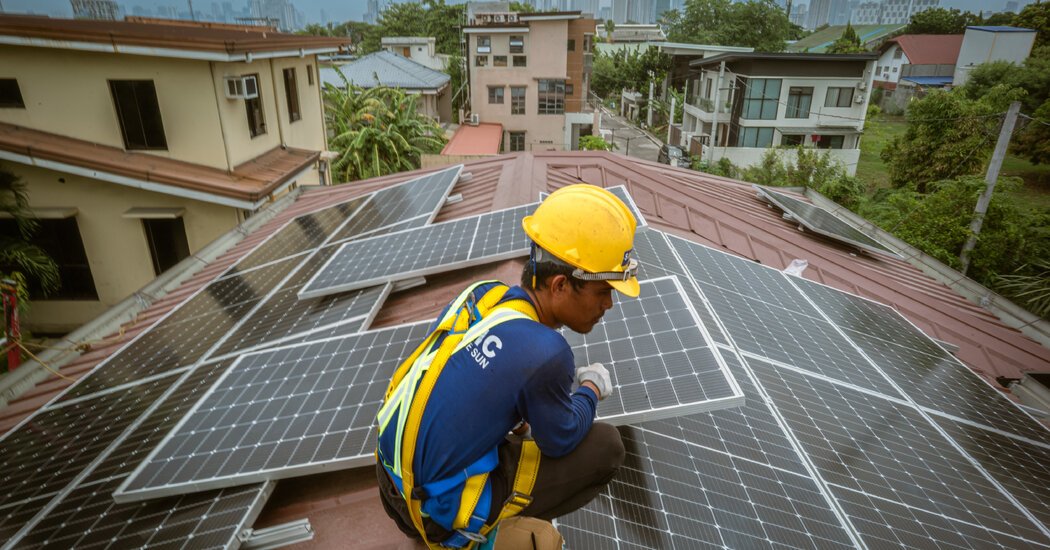
    Individuals are also taking matters into their own hands, buying electric vehicles to avoid rising fuel costs or installing rooftop solar panels to lower electricity bills. In the Philippines, which was especially hard hit after U.S.-Israeli strikes on Iran started, imports of electric cars and solar equipment from China recently hit records, according to Ember, a London research group.

    But countries and businesses can do only so much on their own. The world has developed a tightly interwoven energy system primarily because it is cheaper for countries to specialize in the commodities they have and the technologies where they have expertise — and to import what they lack.

    Even the United States, the world’s biggest oil and natural gas producer, is not truly energy independent. It buys crude oil from Canada, Mexico and Venezuela while selling its own fuel to the rest of the world.

    Still, each gallon of gasoline or kilowatt-hour of electricity available locally offers that much more of a buffer in the next war or shipping disruption.

    “Countries will have a much more robust mix of things that they generate domestically and then a much more cautious eye to how they create trade relationships,” said Sarah Ladislaw, the founding director of the New Energy Industrial Strategy Center and a former adviser to President Joseph R. Biden Jr.

    How drastic these reforms are will depend partly on how long the war with Iran lasts. The sooner it ends, the more likely it is that people will forget the pain of higher prices and shortages.

    The oil shocks of the 1970s lifted fuel prices for more than a decade, remaking energy systems around the world. Countries invested in nuclear power, energy efficiency and more international cooperation, including collective efforts to stockpile oil.

    Later oil prices rose for about six months around the Persian Gulf war of 1991 but did not reshape the global energy map, said Claudio Galimberti, chief economist for the research firm Rystad Energy.

    A few things suggest that the war with Iran could leave a bigger mark. For one, it has wiped out more supply than any prior crisis. There are also many more alternatives to oil and gas available today than in the past. And because this upheaval comes on the heels of Russia’s 2022 invasion of Ukraine, the lessons are more likely to stick, said David Goldwyn, a former U.S. diplomat and Energy Department official.

    “That much crisis in that short a time forces countries to rethink their energy security strategies for economic and national security reasons,” Mr. Goldwyn said.

    In the Philippines, which in 2024 relied on Persian Gulf countries for about a quarter of its imported oil and natural gas, the closure of Hormuz appeared to be accelerating the transition toward renewable energy.

    The value of solar equipment that China exported to the Philippines hit a record of almost $300 million in March — more than double the previous monthly record — before a Chinese tax rebate expired on April 1, Ember data show.

    Chinese solar exports to the Philippines fell in April but remained higher than usual, and the value of Chinese electric vehicles sold to the Philippines hit a new high.

    That growth seems to have been driven as much by individual decisions as by government policy, which has helped make it attractive for Filipinos to embrace newer technology. Importantly, the Philippines does not subsidize electricity prices, which for residential customers were the highest in Southeast Asia as of March, according to Ember.

    Mike de Guzman, president of Solaric, a rooftop-solar installer based near Manila, said his company was installing roughly twice as many systems each month as it had been before the war — and not coming close to keeping up with demand. “Solar is no longer seen as a cool gadget or a toy, but as a way to survive this new age,” he said.

    Mr. de Guzman gets most of his solar and battery equipment from China. But unlike oil and natural gas, of which you need a consistent supply, solar panels tend to last for decades, mitigating the risk of dependency.

    The war has also made solar power a bigger national priority in neighboring Indonesia. “God willing, we will eliminate our dependence on imported fuel and save valuable foreign exchange reserves,” the country’s president, Prabowo Subianto, said in May.

    Indonesia would be following in the footsteps of China, which limited its dependence on imported fuels by becoming a coal and clean energy powerhouse, while also stockpiling huge amounts of oil — a strategy that has served it well in this crisis.

    Elsewhere, many behavioral and policy changes are extensions of the last energy shock, when Europe realized that its reliance on natural gas from Russia had made it incredibly vulnerable to the whims of the country’s president, Vladimir V. Putin.

    After Russia abruptly cut off gas supplies, forcing Europeans to pay much higher prices, many governments further embraced renewable energy. Europe’s gas consumption is about 16 percent lower than before Russia began its war, according to International Energy Agency estimates.

    Now, countries are doing more to preserve domestic energy resources. Belgium, which was among the biggest European buyers of natural gas from the Persian Gulf, is negotiating to buy the country’s last two operating nuclear power plants, as well as several others that have shut down.

    “Recent geopolitical events confirm an underlying trend: Europe must continue to reduce the risks of excessive energy dependence on any single region or supplier, whoever they may be,” Mathieu Bihet, Belgium’s minister of energy, said in an emailed response to questions.

    A big distinction between this energy shock and the last one is that the war with Iran has mostly affected the flow of oil and fuels needed to drive and fly, whereas the 2022 crisis was largely about natural gas and electricity.

    Soaring electric car sales in much of the world have been among the clearest signs that the war may hasten a shift away from oil. China, the world’s leading manufacturer of such models, exported a record $9.1 billion worth of electric and plug-in hybrid vehicles in April, up more than 50 percent year over year, according to Ember. Exports to countries hit hard by the loss of Persian Gulf oil supplies, including Japan, Pakistan and India, were especially strong.

    In Europe, sales of battery-powered cars climbed 38 percent in April from a year earlier, according to the European Automobile Manufacturers’ Association.

    In the meantime, policymakers in countries like the Philippines and Pakistan are looking to build or expand their fuel stockpiles to better insulate themselves from the next crisis. Such efforts will be expensive, meaning wealthier countries will fare better than poorer ones.

    Oil producers are also looking to make changes. Kuwait, which has hardly been able to export any oil because of the closure of the Strait of Hormuz, wants to build more storage capacity abroad, outside the shipping choke point. And many countries across the Middle East are exploring building or expanding pipelines that would avoid the strait.

    Guyana is confronting a different kind of predicament. It is extracting more than 900,000 barrels of oil a day — enough to meet almost 1 percent of global demand — but can’t turn that oil into gasoline, diesel and other products. The country briefly faced fuel shortages this spring.

    READ ALSO

    • Video 0:44 CNN

    Trump’s $100,000 fee on H-1B visas for highly skilled workers is struck down

    It is time, Guyana’s president, Mohamed Irfaan Ali, said in March, to revive discussions about building the country’s first oil refinery.

    “We have to, in this hemisphere, optimize our resources, optimize the development of our resources for the protection of the hemisphere,” he said.

    Veronica Majerol contributed reporting.



    Source link

    Related Posts

    •
          Video
        
        0:44


        CNN
    United States

    • Video 0:44 CNN

    June 8, 2026
    Trump’s $100,000 fee on H-1B visas for highly skilled workers is struck down
    United States

    Trump’s $100,000 fee on H-1B visas for highly skilled workers is struck down

    June 8, 2026
    Trump’s NBA Finals Attendance Brings Added Security to Madison Square Garden
    United States

    Trump’s NBA Finals Attendance Brings Added Security to Madison Square Garden

    June 8, 2026
    Knicks hold off Spurs comeback attempt to take Game 2 of NBA Finals
    United States

    Knicks hold off Spurs comeback attempt to take Game 2 of NBA Finals

    June 8, 2026
    Tropical Storm Boris Drenches Mexico’s Pacific Coast
    United States

    Tropical Storm Boris Drenches Mexico’s Pacific Coast

    June 8, 2026
    Opinion | Taiwan Needs U.S. Arms Now
    United States

    Opinion | Taiwan Needs U.S. Arms Now

    June 8, 2026
    Next Post
    Juventus sold out tickets for the LKL final in an instant

    Juventus sold out tickets for the LKL final in an instant

    POPULAR NEWS

    Azerbaijani foreign minister congratulates Kyrgyzstan on UN Security Council membership

    Azerbaijani foreign minister congratulates Kyrgyzstan on UN Security Council membership

    June 7, 2026
    Keeping waste disposal responsible | The Star

    Keeping waste disposal responsible | The Star

    June 7, 2026
    Telex: Parliament will also elect the members of four investigative committees on Monday

    Telex: Parliament will also elect the members of four investigative committees on Monday

    June 7, 2026
    The health tracker backlash is here – so ditch the data and set yourself free | Emma Beddington

    The health tracker backlash is here – so ditch the data and set yourself free | Emma Beddington

    June 8, 2026

    Best audio of the week

    June 8, 2026

    EDITOR'S PICK

    Notes from Central Taiwan: The KMT: governing by delay, distracting by design

    Notes from Central Taiwan: The KMT: governing by delay, distracting by design

    June 8, 2026

    Wildlife Returning, Ecosystem Recovering in Khoridol Saridag Mountains 8 days

    June 8, 2026
    VT10M EDF-funded coconut oil facility destroyed in Rah fire

    VT10M EDF-funded coconut oil facility destroyed in Rah fire

    June 7, 2026
    The FTA between Guatemala and Peru will enter into force on July 1 with the objective of diversifying markets

    The FTA between Guatemala and Peru will enter into force on July 1 with the objective of diversifying markets

    June 7, 2026

    Recent Posts

    • The health tracker backlash is here – so ditch the data and set yourself free | Emma Beddington
    • Best audio of the week
    • 64% of Andorrans do not recognize themselves in any current political party
    • GeSY: It’s been 7 years – What needs to change for the benefit of the patient

      © 2026 Agentially - Navigating shifting sovereignties and global risk .

      Welcome Back!

      Login to your account below

      Forgotten Password?

      Retrieve your password

      Please enter your username or email address to reset your password.

      Log In
      No Result
      View All Result

        © 2026 Agentially - Navigating shifting sovereignties and global risk .

        This website uses cookies. By continuing to use this website you are giving consent to cookies being used. Visit our Privacy and Cookie Policy.