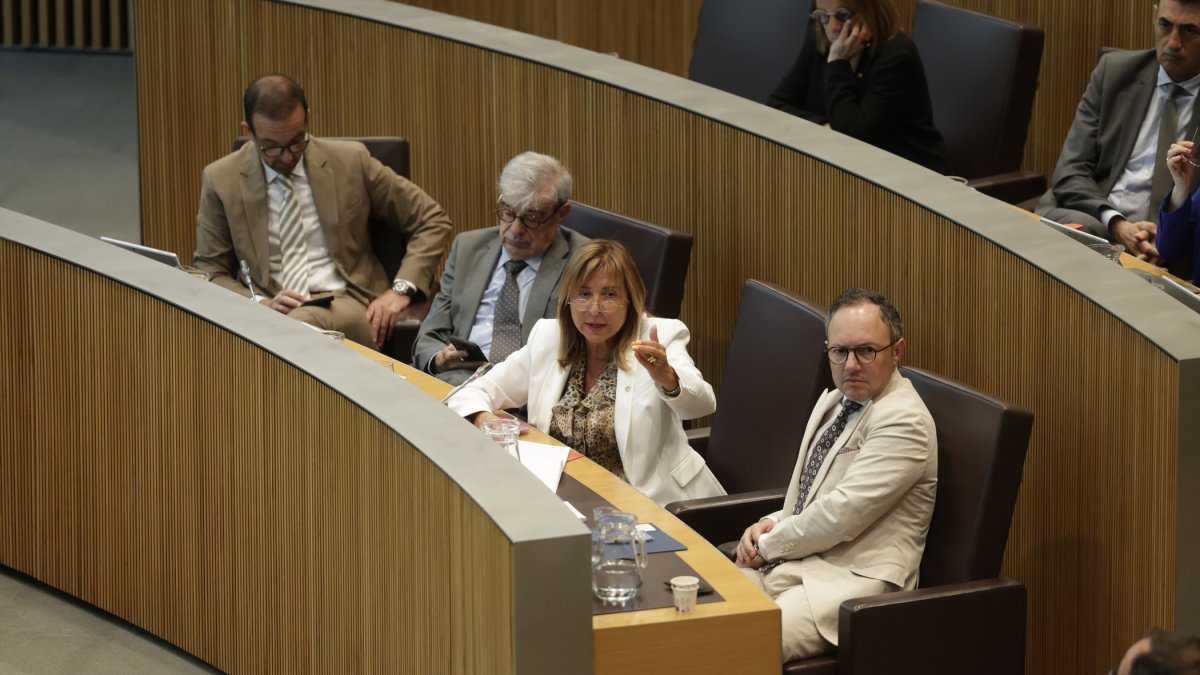

Yesterday’s session at General Council it was, according to Cerni Escalé’s calculations, the 23rd debate on housing in the legislature. Twenty-three sessions dedicated to the country’s main problem that culminated in the approval of the rent freeze law. For some, the text may mark “the end of the country as we know it”; for others, it is the beginning of a gradual and guaranteed disintervention that should allow the market to return to a certain normality and encourage private supply.
“It is very easy to extend it for another three years, but it is not our way of acting”
“Keeping restrictions on rents can discourage housing supply”
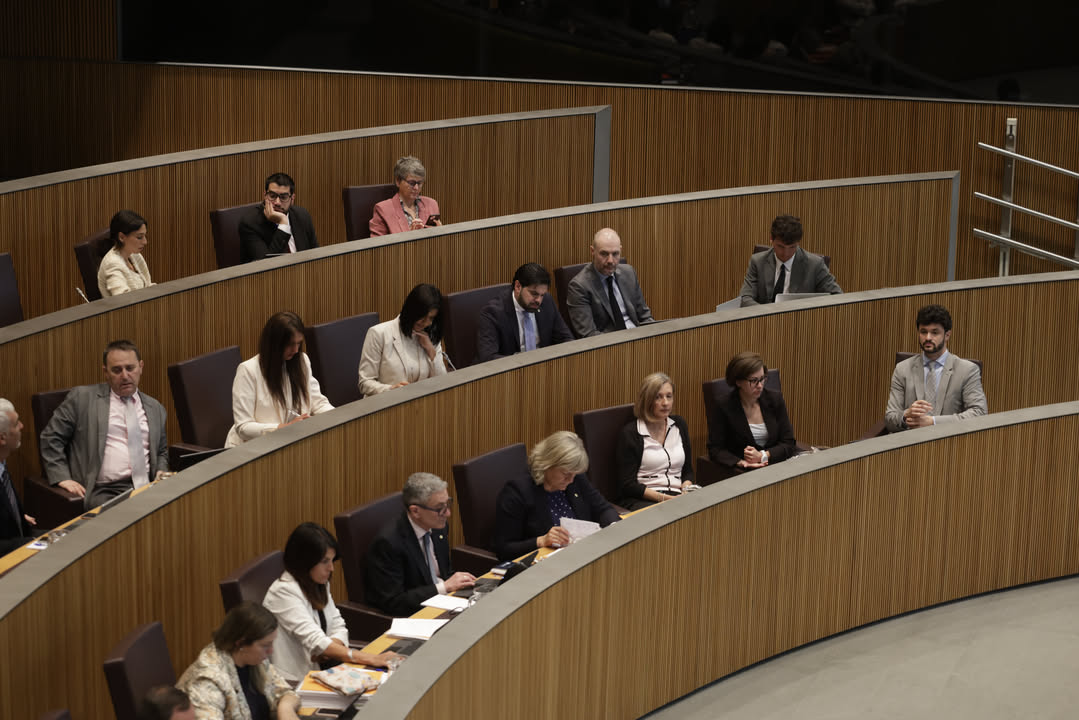
The law went ahead with 16 votes in favor and 11 againstin a session that once again demonstrated the opposing ways of understanding the outcome of the intervention. The Minister of Housing, Conxita Marsolargued that the project “it is not an abrupt and wild disengagement“, but a “balanced, progressive and guaranteeing” rule, and he recalled that it does not liberalize prices, but instead orders the exit of extensions and maintains limits on increases. “And, above all, the law does not expel anyone“, he remarked. The Government maintained that maintaining the freeze indefinitely is not a housing policy, but a temporary measure that may end up reducing the supply. “It is very easy to extend it for another three years, but that is not our way of doing things“, he affirmed Marsol, responding to the models of the PS and Concordiawho advocated maintaining the extensions until the market was ready for a disintervention. These arguments were very similar to the ones he gave Bern Coma from the democratic bench, which recalled that the intervention had always been conceived as an exceptional measure. “Maintaining rent restrictions can discourage housing supply“, he warned, and asked citizens to address theNational Housing Institute if they have doubts about letters or contracts.
“I hope there will be another session on housing where the fundamental problem will be addressed”
The harshest response came from Social Democratic Party. Peter Baron accused the majority of having wasted the years of extension and warned that the thaw will affect “seven thousand homes, seven thousand families, seven thousand storiesThe social democratic councilor warned that the text raises protections without deploying enough regulatory tools.
“Seven thousand homes, seven thousand families, seven thousand stories are suddenly being unprotected”
concord also voted against it, but placed the focus on structural causes. Cerni Escalé he linked the market tension to foreign real estate investment and a growth model that he said has increased pressure on limited territory. “What is the use of growing if we are poorer?”, he asked, hoping that “there is one 24th session on housing in which the underlying problem can be addressed”.
“In Andorra we need to help both owners and tenants”
Andorra Go ahead, also contrary to the text of the law, he demanded more data and quick solutions to help landlords and tenants. Carine Montaner defended the need to regulate co-living, study modular constructions and havea more transparent information system. And he stated that “here we need both the owners and the tenants”.
A dangerous speech
The debatehowever, went beyond thehousing and, during the amendment reservations of P.Sled to a discussion about immigration following an intervention by Mountaineer, who defended “selective” immigration and stated that “people must invest and contribute to the country and not cause problemsHe also proposed that, if a family with less than three years of residence has a minor who has committed a crime, they should be expelled.
baron replied that this speech is “very dangerous” and warned that linking immigration and crime “does this country a disservice.” He also compared the argument to discourses of the Spanish and French extreme right. eThe head of government, Xavier Espotintervened to add that “Mixing immigration and security with housing is wrong”, and that certain messages put at risk “the values and the cohesion of the countrys”. Finally, the amendment reservations of Social Democratic Party they were rejected.
A TOOL WITH AI TO EXPLAIN WHAT TO DO
marsol announced that as of Monday the Government will enable new channels of information to resolve any doubts that may arise from the application of the unfreezing law. Among the provided tools there will be a digital assistant based on artificial intelligence, specifically trained with the content of the standard, which will allow owners and tenants to make inquiries about their situation specific and know which rights and obligations correspond to them.