Monday, May 25, 2026, 2:32 p.m
14633 readings

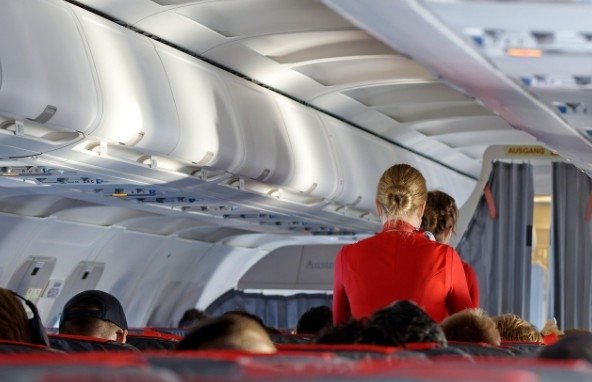
Passengers on the plane PHOTO Pixabay
The international aviation industry continues to be affected by a series of insolvencies and business suspensions. In recent months, several small and medium-sized airlines have entered bankruptcy proceedings or stopped flying altogether, amid the instability of the fuel market and accumulated financial imbalances.
Wave of insolvencies in global aviation
One of the most visible cases this year is that of US carrier Spirit Airlines, which ceased operations on May 2 after previously undergoing two Chapter 11 reorganization proceedings, according to The Street. This time, the sharp increase in the price of aviation fuel was the decisive factor in the final stop of flights.
In MexicoMagnicharters entered bankruptcy protection after suspending all sailings, initially announced as temporary but later extended until 2026, causing major disruption for thousands of passengers.
In Chinathe regional operator Joy Air entered the restructuring process after suspending all flights since April. In United StatesStarflite Aviation lost its operating certificate in March 2026 following allegations of falsifying pilot training documents.
In Europe, Slovenian charter carrier AlpAvia ceased operations in March amid financial problems, and in Sweden, H-Bird was declared bankrupt by a court after losing its operating license at the end of 2025.
The case of Zenith Aviation and the pressure on charter operators
In Great Britainthe charter company Zenith Aviation recently entered a court proceeding for bankruptcy protection, similar to Chapter 11 in the United States. The operator, based at London’s Biggin Hill Airport, operates short-haul charter flights in the UK and Europe using a fleet of Bombardier Learjet aircraft.
Authorities have suspended the company’s air operator’s certificate and all flights have been canceled since the beginning of the month. The administrators are currently analyzing the possibility of a restructuring or a possible takeover.
Administrator Paul Hargreaves, of Nexus Corporate Solutions, said the company’s situation was critical: “The company is in a position of insolvency due to cash flow problems, outstanding debt and historical ownership and management difficulties.”
As for next steps, he said: “We are reviewing the company’s assets, supporting employees to claim their compensation rights and evaluating options including a possible rescue or takeover, if this proves appropriate.”