If the new president is not elected even on Tuesday, the Assembly is dissolved and new elections must be held within 45 days. The CEC has said that they are ready for their organization, but those familiar with the electoral process have emphasized that irregularities in the counting may be repeated. Sociologists, meanwhile, expressed concern that frequent election cycles could discourage voters.
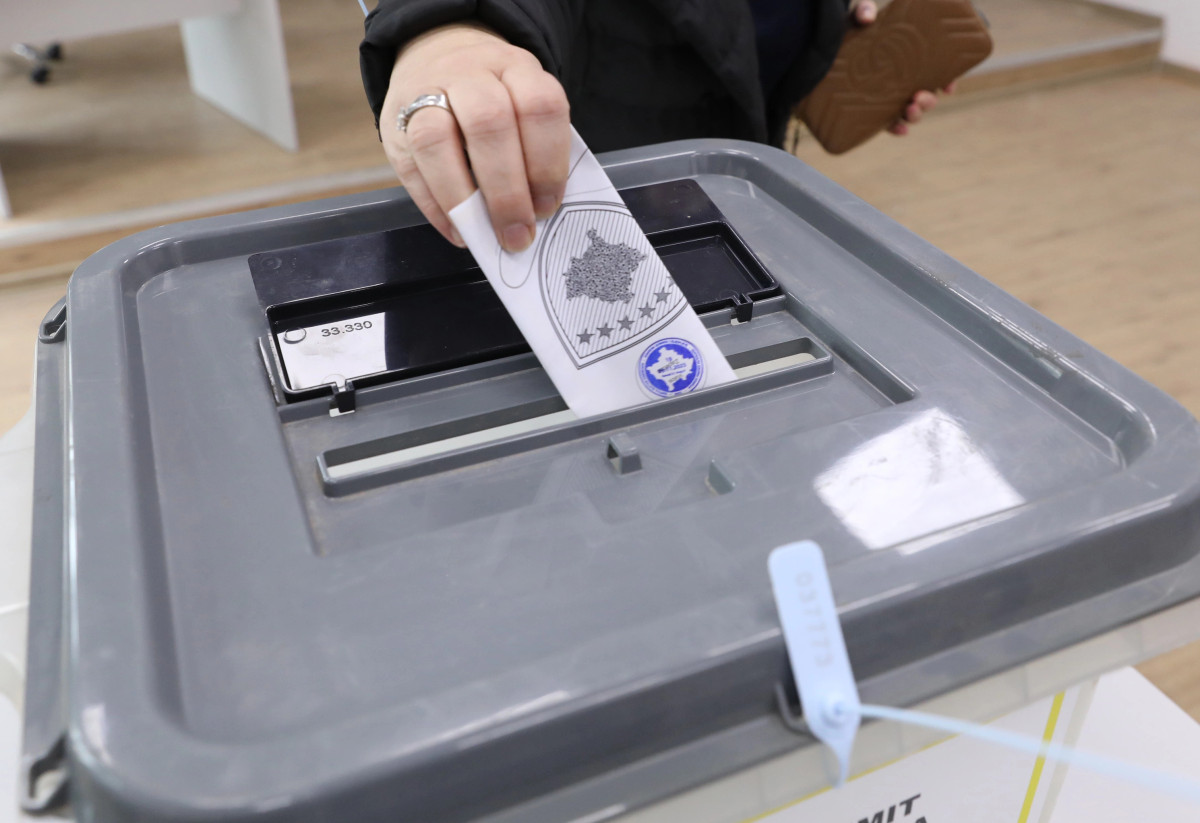
Two days before the Assembly is to be dissolved if the president is not elected, the Central Election Commission has said that they are ready to organize new elections, which, according to the constitutional deadline, should be held on June 7 at the latest.
The spokesperson of the CEC, Valmir Elezi, has said that since no elections are planned this year, no budget has been allocated for their organization. According to him, the approximate cost will be 10 million euros.
“In such circumstances, i.e. always if we are going to have elections, the CEC turns to the Government of Kosovo with a request for the means that are necessary to cover the expenses. We cannot currently know how much the cost of possible elections may be, as we currently do not have any planning. Such an amount must be approved by the CEC and this will only happen in the event that we will have an election process”, said Elezi.
If elections are called, they would be the fifth in 16 months.
The former chairman of the CEC, Mazllum Baraliu, said that the institution did not have time to draw up plans and procedures to avoid the irregularities that led to the last election process on December 28.
“They challenge the CEC and the Municipal Electoral Commissions for the reason that an electoral process would have to be prepared faster than under normal circumstances within the four-year mandate. In such situations, preparations should be made in an accelerated manner, projects and various trainings should be carried out. So in a word, all the appropriate preparations for an election cycle which requires, on average, at least six months of preparation”, said Baraliu.
Although the election day of December 28 passed with few irregularities, the process of counting the votes of MP candidates was accompanied by large-scale manipulations.
According to a report by Democracy in Action, the recount found that more than 242,000 votes were misplaced during the initial count. This led to the arrest of hundreds of commissioners.
Beyond the organizational aspect, sociologist Genc Xërxa has stated that frequent election cycles weaken citizens’ trust in institutions and democracy.
“These can be expressed much more than the voice of citizens or groups who rightfully expect from this system. So many different parties, different ideologies can be expressed, which in some cases can be undemocratic”, said Xërxa.
Tuesday is the last day of the constitutional deadline for electing a new president. Until now, the political parties have not found a consensus about a name that would ensure the participation of at least 80 deputies in the process of voting for the president.