In beach rentals, owners also seek to differentiate their offer through services during the stay. RE Properties identifies in Piura, Tumbes and Ica a greater presence of homes that incorporate a chef, cleaning and attention to guests.
On El Ñuro beach, in Los Órganos (Piura), Norte Suites Boutique had planned to increase its rates and grow around 6% in occupancy and 12% in revenue compared to the summer of 2026. Now it plans to maintain the prices of the previous season and evaluate how the market responds.
“We are currently observing a slower rate of reservations compared to previous seasons, with a trend towards travel decisions closer to the arrival date,” explains José Francisco Guerrero, commercial director of Norte Suites Boutique.
Aranwa also plans to maintain its rates in Vichayito. The chain only contemplates an increase for Paracas, between 5% and 8%, while its other establishments would maintain levels similar to those of summer 2026.

“In Aranwa Vichayito we expect results similar to those recorded in the summer of 2024, while in Aranwa Paracas we estimate a growth of 5% compared to this year,” says Gonzalo Calderon, CEO of Aranwa Hotels, Resorts & Spas.
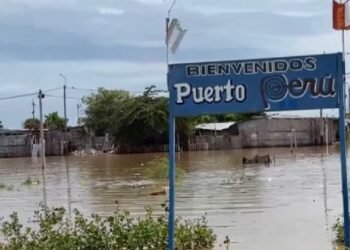
In Tumbes, Carlos Viñas de Vivero, president of the Tumbes Regional Chamber of Tourism (Caretur), warns of a decrease in reservations for the end-of-year festivities. He considers that the uncertainty about the rains influences the decisions of visitors and also keeps those considering investing cautious.
“Banks, finance companies, investors and private companies are indecisive and are moving slowly,” he maintains.
Viñas estimates that tourist spending during the summer can reach S/80 million in Tumbes with an average occupancy. Its calculation considers a daily expense of between S/250 and S/800 per person. For the region, it identifies this season as the most economically important within a calendar that also includes whale watching and Peruvian and Ecuadorian holidays.
“Summer represents approximately 40% of our annual income and constitutes one of the most important seasons for the operation,” explains Guerrero. The establishment of 14 suites contributes to the activity of El Ñuro and Los Órganos through purchases of regional products and contracting the services of artisanal fishermen, farmers, transporters and local operators.
Aranwa also identifies producers, suppliers, transporters and tour operators among the businesses that participate in the activity of its hotels. The incorporation of regional inputs into its gastronomic proposal is part of that relationship with each destination.

Viñas explains that a greater arrival of visitors drives the hiring of personnel, the purchases of groceries and hardware products, as well as maintenance work. These are activities whose movement depends on the occupancy of the accommodation and the stay of travelers in the spas.
“According to user surveys, about 50% of spending that is not allocated to accommodation is made directly in the neighborhoods or towns where travelers stay,” Airbnb points out. The figure corresponds to the 2025 economic impact information presented by the company.
The activity of Airbnb hosts and guests contributed an estimated S/4.2 billion to the Peruvian GDP during 2025, according to internal calculations of the technology firm. The estimate includes its activity throughout the country and allows the accommodation business to be sized through the platform beyond the beach season.
In the south of Lima, Sandor Vidal, director of Consulting and Research at RE Propiedades, identifies Boulevard de Asia as the main commercial hub for those who rent beach houses. He explains that delivery expands the supply possibilities from that shopping center, although guests still tend to buy provisions before arriving and leave again when they need products. The operation of the Boulevard throughout the year, he adds, continues to be an objective that has not been fully achieved.

Norte Suites is developing a project of approximately S/100,000 to install solar panels and batteries. Guerrero explains that the investment seeks to strengthen the hotel’s energy autonomy, reduce its dependence on conventional supply and improve operational efficiency.
The establishment carries out preventive maintenance and considers possible access, communication and supply difficulties within its planning. According to Guerrero, the paved road that connects the hotel with the Panamericana remains passable. The hotel also allows you to modify travel dates, in accordance with the booking conditions.

Norte Suites Boutique, located on El Ñuro beach, plans to maintain its rates for summer 2027. (Photo: El Comercio)
“The renovation of Aranwa Vichayito represented an investment of approximately S/23 million, aimed at strengthening our infrastructure and elevating the guest experience,” says Calderon. The intervention included 24 new chalets and nine remodeled bungalows, for a total offer of 33 rooms. An infinity pool was also added and its gastronomic spaces were renovated.

The renovation of Aranwa Vichayito included 24 new chalets and the remodeling of nine bungalows.
The chain continues to evaluate additional investments for 2027, the amounts and deadlines of which have yet to be defined. Calderon points out that climate forecasts are a variable that they follow closely, especially in Vichayito. It highlights the importance of reviewing facilities, having essential supplies and coordinating with authorities and suppliers in the event of possible operational difficulties.
Outside of the hotels, Viñas places emphasis on the continuity of access and preventive maintenance of streams, ditches and ditches. These are works that require intervention from the authorities and that are considered a priority to sustain the activity of the season.
Airbnb registers greater interest in different beach destinations as a precursor to the next season. For summer 2026 stays, searches on the platform increased more than 70% towards San Bartolo, about 40% towards Punta Sal and more than 30% towards Punta Hermosa. The figures correspond to searches for the previous season, not to reservations made for summer 2027.
In the rental of beach houses, Vidal points out that until October RE Propiedades does not collect information that indicates a relevant drop in reservations or cancellations in the north. It does not rule out that changes may occur as the climate scenario evolves in each destination.
On the northern beaches, the average offer price of the houses analyzed by RE Propiedades reaches US$4,199 per month and US$1,776 per week. Within the standard offer, the weekly average is US$2,552 in Tumbes and US$1,086 in Piura. They are properties with different locations, capacities and characteristics.
In the northern beach departments, offer prices average US$5,573 monthly and US$1,253 weekly, according to the consulting firm’s records.
In the offer analyzed by RE Propiedades south of Lima, the average price of a house for a full season is US$14,672, 2.6% more than the previous summer. The monthly average reaches US$4,864 and the weekly average reaches US$1,794. The latter increases 21.8%, although the consultancy observes fewer and fewer units offered per week and points out that some of the owners prefer to ensure income for a complete season.
For New Year’s, the average asking price for beach houses in southern Lima reaches US$2,290, 27.6% more than the regular weekly average, according to RE Propiedades. Values range from US$1,750 in Lurín to US$3,000 in Cerro Azul.
The offer prices of beach apartments in southern Lima also increased, according to the report. Thus, the seasonal average reaches US$13,095, 0.9% more than for summer 2026, while the monthly average reaches US$3,307, with an increase of 7.7%.

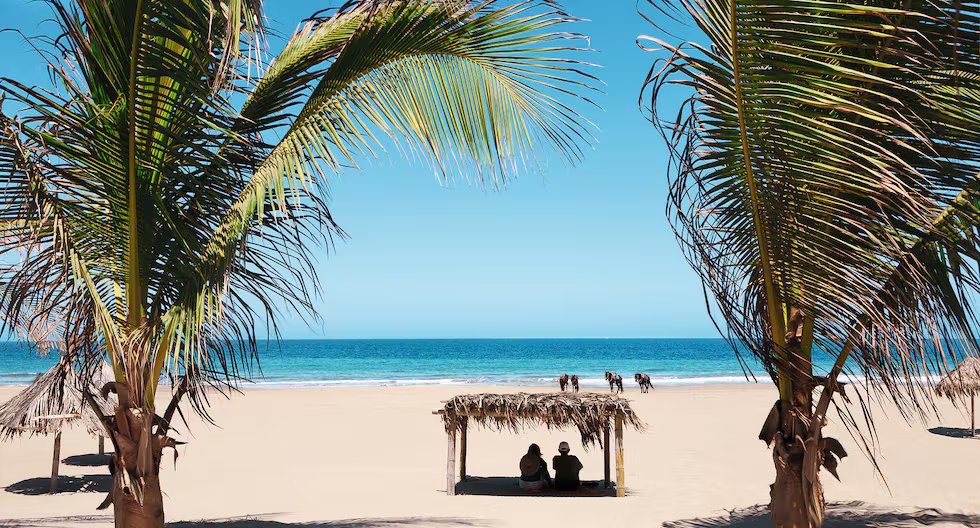
The rental of beach houses incorporates proposals with cleaning and attention during the stay, according to RE Propiedades. (Photo: Shutterstock)
In its report on beaches in the provinces, RE Propiedades identifies homes that include attention during the stay. Private chef, daily cleaning, bartender and security are part of the services of the properties classified as Deluxe. They represent approximately 10% of the records and are found in destinations such as Cabo Blanco, Máncora, Punta Sal and Paracas.
“It is not that it is just appearing, but in volume it is already gaining a little more strength,” explains Vidal.
The consultancy registered a case in the north last year and now finds more alternatives and in more destinations. The offer comes mainly from individuals and repowered establishments that incorporate services, without a common brand that groups the properties.
According to Vidal, these houses can be booked by the day and, depending on the location, offer additional paid activities, such as boat rides and tour packages. “It is an offer that is not only restricted to January, February and March, which are the classic summer months in our country,” he points out.