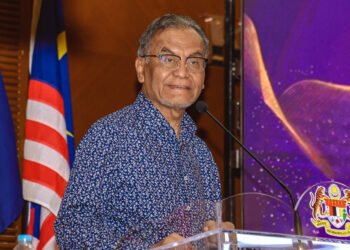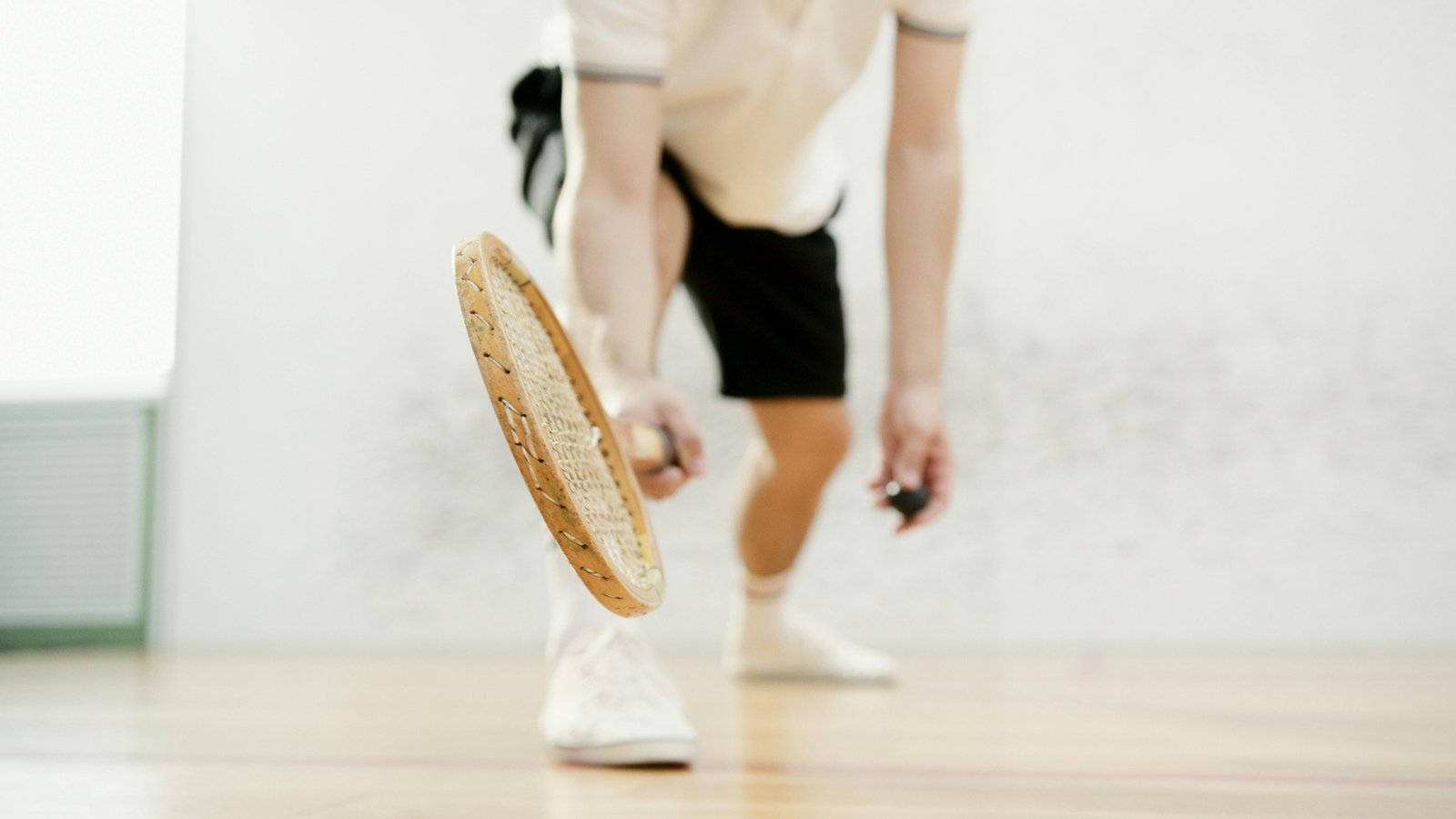

Tunku Zain Al-‘Abidin reflects on achievements and challenges after eight years leading Negeri Sembilan squash, highlighted by a major court upgrade and Sukma gold success. – pexels.com

ON April 19, 2026, constitutional provisions worked perfectly and a leadership transition occurred. Various motions were debated, but in the end, decisions were accepted by all. There was a change at the top of the organisation, with one cousin departing and another cousin stepping in.
I am of course referring to the Annual General Meeting of the Negeri Sembilan Squash Association (PSNS), where I have completed four two-year terms as President.
I had already been a committee member of the Squash Racquets Association of Malaysia (SRAM) since 2015, when I was promptly sent to be Team Manager for the SEA Games in Singapore, and partook in the exhilaration of our players winning all four gold medals possible—plus an additional two silver medals because Malaysians already won the golds! That made me understand how much work—years of training, backed up with dedicated coaching and the funds to enable it – was needed to create podium athletes.
But actually leading a state sports association was simultaneously frustrating, eye-opening, and ultimately rewarding.
In some way it’s similar to presiding over a think tank or chairing a public company: at the head of the table, one hears wildly different opinions about the best course of action, based on what members/shareholders want, what funding is available, and adhering to various levels of regulations, including national laws, requirements of the Sports Commissioner, international specifications for the designing and building of squash courts (with usual adherences to Malaysian fire and safety rules), and conditions from world squash bodies in holding tournaments.
This last part sometimes required delicate diplomacy: on one occasion, we were hosting a tournament and discovered that an athlete from a particular country—not recognised by Malaysia—had applied. According to international rules, you cannot reject players because of their nationality. (Malaysia has missed out on hosting world-class tournaments in other sports as a result.) Luckily, I found a solution by arranging for that player from that problematic country to play in a different tournament at the same time instead!
Of course, sometimes there’s the odd politician or bureaucrat who sees sport as a convenient platform for quick glory, jumping on the bandwagon and taking credit for others’ years of hard work just by being strategically present when they become successful.
There was one aspect I never successfully navigated, however. It is the intensity with which parents believe that their children will be the most magnificent squash players on the planet. The dedication is awe-inspiring but a little scary, too.
I began hearing accusations that some parents were bribing coaches for preferential training slots; or volunteering on selection committees to manipulate the draws; or outright saw hostility play out in the courts, in front of their children! Of course appeals are made to the president for resolution, but my tools of investigation are limited, and factionalism is rife. The best I could do is appeal for calm, and follow established resolution procedures to the letter.
Winning the Sukma team gold medal in Kuching in 2024 and hearing the Negeri Sembilan state anthem was special, organising the 25th Anniversary of the association brought deep sentimentality, and producing a rap song featuring cak lempong and a piano inside a squash court was immense fun, but the most significant development during my presidency was the renovation to our squash complex in Seremban 2.
This was long-promised, but politics and bureaucracy frequently got in the way. Every time there was a new Minister for Youth and Sports—and there were five!—we had to start afresh in terms of making the case. Meanwhile Covid-19 hit, creating another long delay.
Alhamdulillah, we managed to get our eight glass-backed courts, plus one full glass court arena. The benefits to our players have been immediate and immense, for two reasons.
Firstly, training and development opportunities are vastly increased, and our kids can train on the full glass court ahead of important overseas tournaments.
Secondly, Seremban 2 is fast becoming internationally known as a destination for tournaments. PSNS itself hosts the President’s Trophy and Tuanku Muhriz Trophy, both of which bring much-needed Professional Squash Association (PSA) ranking points for aspiring champions. Many external parties have partnered with us to host competitions there too. All this activity brings economic benefits, with hotels, restaurants and transport providers gaining customers.
I thank all the committee members over the years—all volunteers with day jobs—for their dedication, in particular the two honorary secretaries Leela Subramaniam and VJ Sangar, and I wish the new team led by Chris Chantharasegaran well.
Among the new committee members is my cousin Tunku Tarrant Tunku Imran, who I hope will continue the family contributions towards Negeri Sembilan squash!
* Tunku Zain Al-‘Abidin is President Emeritus of the Negeri Sembilan Squash Association.