
The Slovenian government decided at its cabinet meeting Thursday to lift the temporary controls at its internal borders with Croatia and Hungary, the Ministry of the Interior and Public Administration in Ljubljana announced.
Slovenia had introduced the controls on October 21, 2023. At the time, the main reasons cited were the acute deterioration of the security situation in the Middle East and a generally heightened risk of terrorism. Italy responded simultaneously with similar measures at the Slovenian border.
During the last extension in May, Ljubljana cited ongoing instability in the European environment: the war in Ukraine, hybrid threats, targeted disinformation campaigns, and the misuse of international transport routes by criminal networks. At the time, officials stated that the situation would be continuously evaluated—a promise the government has now fulfilled.
On Thursday, a decree was issued repealing the previous border control regulation.
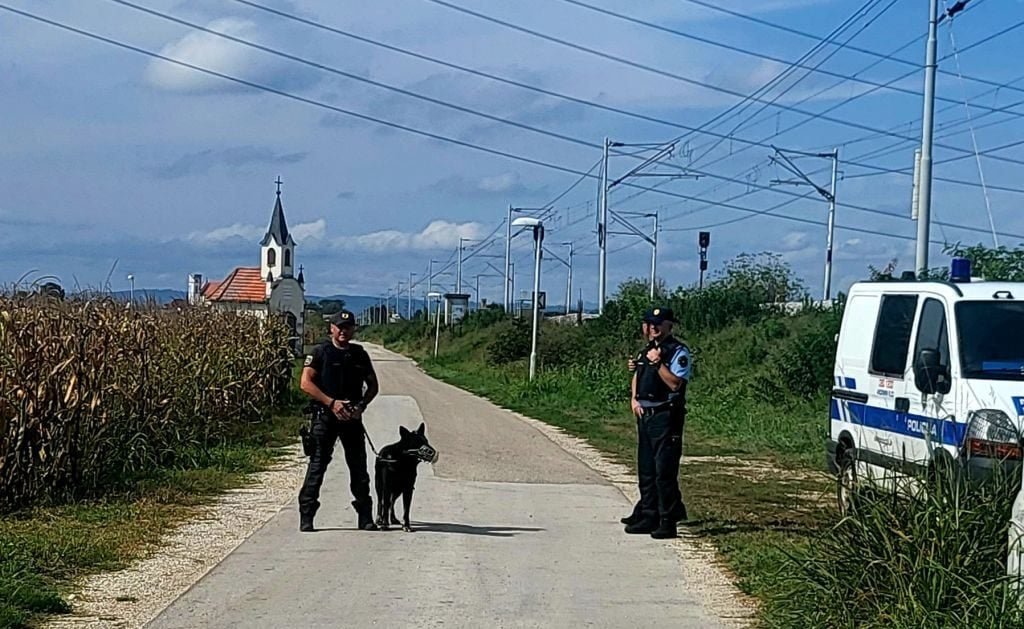
As the Slovenian police confirmed, the physical presence of officers at the Croatian and Hungarian border crossings will be discontinued at midnight. In addition, traffic signs will be adjusted at short notice and the technical equipment installed for the checks will be dismantled. For travelers and freight traffic, this means that passage is once again unimpeded.
From the perspective of the government in Ljubljana, there is no longer any objective reason to maintain stationary checkpoints. The police can ensure the surveillance of the state border using more efficient and modern methods. The Ministry of the Interior also emphasizes the economic and logistical aspects.
The removal of checkpoints is expected to noticeably ease traffic flow on road sections and transit routes that are already chronically congested.
However, the border regions will not be left unprotected. The authorities will rely on so-called compensatory measures in the future. Police presence will be strengthened along the affected border lines as well as inland—particularly at those points classified as vulnerable to secondary migration and cross-border crime according to internal situation analyses. This will be accompanied by closer cooperation with the police authorities of neighboring countries, which includes intensified operational data exchange and joint, mixed patrols.
The Slovenian interior minister defended the move against potential security concerns. “The lifting of controls does not compromise security, but rather improves it. The police can now take a much more targeted and flexible approach to the rising numbers of migrants on the Western Balkan route as well as to organized human trafficking,” he explained. According to security authorities, the number of illegal border crossings in Slovenia has risen by more than sixty percent this year, he added.
The Slovenian decision follows pressure from Brussels.
Last week, the European Commission called on Slovenia and eight other Schengen states to gradually phase out temporary internal border controls.
Among the countries addressed are Italy and Austria—both of which have so far maintained their own border controls with Slovenia. In the view of the European Commission, the full implementation of the EU Migration Pact, which takes effect in member states this Friday, lays the necessary foundation for a permanent return to a functioning Schengen system without internal border barriers.

Via mti.hu; Featured image: Facebook/Slovenska policija / The Slovenian police