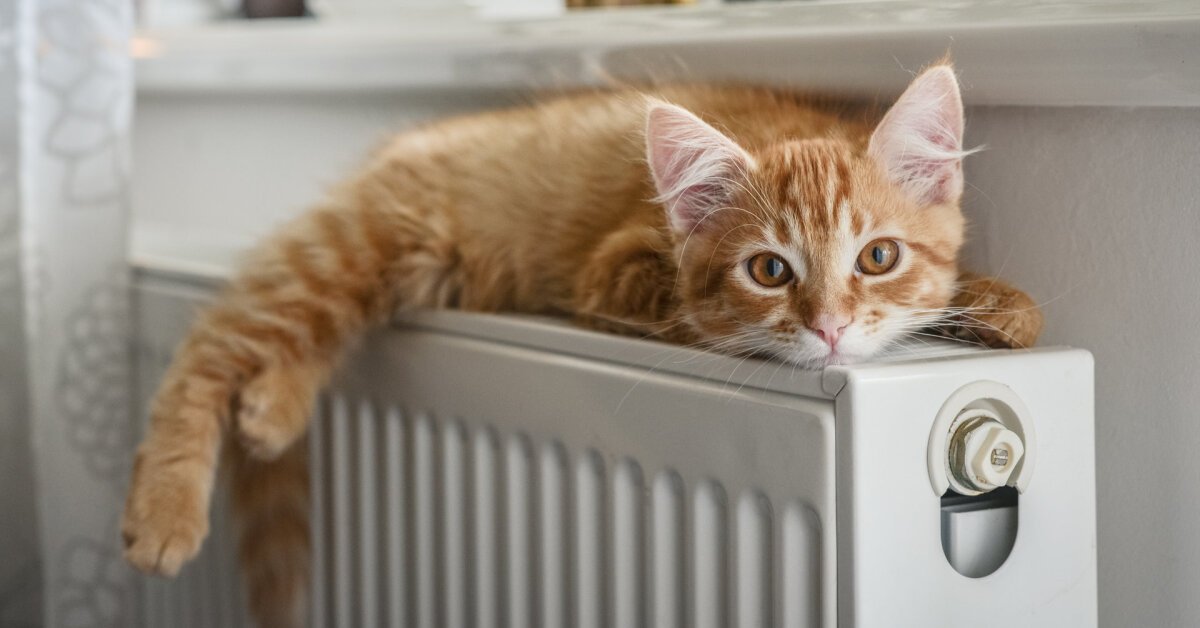
The period of the heating season is set from October 1. until April 30, during which heat suppliers must be ready to supply heat and ensure the internal temperature of buildings that meets hygiene standards.
A clear heating period will enable a more prompt response to air temperature fluctuations and ensure high-quality heating of buildings that meets the needs of heat consumers.
“These changes were initiated considering the fact that every fourth, and in some cases, every second resident considers the issue of self-sufficiency in the heating season as the most important problem to be solved,” says Acting Minister of Energy Žygimantas Vaičiūnas.
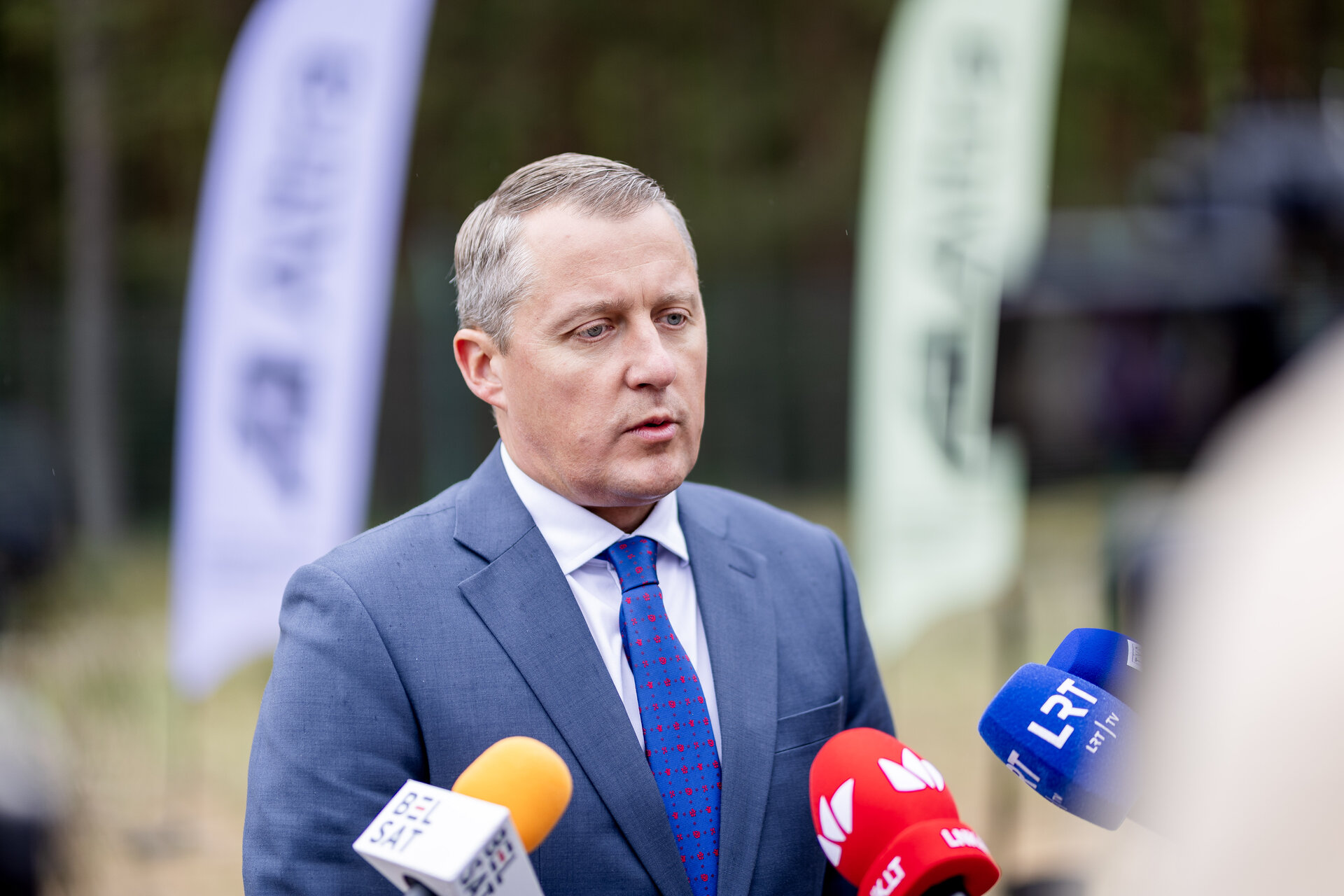
Lukas Balandis/BNS photo/Žygymantas Vaičiūnas
Municipal institutions, as in the currently valid legal regulation, have the right to determine the beginning and end of the heating season for municipal institutions and heat consumers whose heat points have not been modernized (automated).
Modernized and automated heat points can start or stop heating the building depending on the weather conditions, without waiting for the administrative decisions of the municipal authority.
“The modernization of the heating system allows us to adapt to changing climate conditions and modern technological possibilities. These changes ensure a clearer and more flexible regulation of the heat industry, allow us to react more promptly to the needs of heat consumers, increase the efficiency of heat supply and contribute to lower heating bills. At the same time, the prerequisites are created for the faster modernization of heat points and the provision of higher quality services to heat consumers,” says Ž. Vaičiūnas
According to the Ministry, part of multi-apartment heating and hot water systems in Lithuania still do not meet the established mandatory requirements, and the modernization of heat points is the most effective means of reducing residents’ heating bills and improving the quality of building heating. The established legal regulation provides prerequisites for faster modernization of heat points in a way that is beneficial to heat consumers.
According to the legal regulation, the heat supplier, having identified the non-conformities of the heat point, informs the residents and the building administrator about the need to carry out repairs or modernization, and if the necessary works are not carried out within 12 months, the supplier can organize the necessary works. At the same time, consumer protection safeguards are provided: the costs are covered by accumulated funds, state support or the owners’ funds, which are arranged for a period of up to 24 months and clearly indicated in the invoices.
Conditions are also created for heat suppliers to obtain technical data on the operation of heat points – this allows for faster detection of faults, more efficient management of the heat network and reduction of heat losses.
From 2027 May 1st heat and hot water bills for heat consumers will be provided electronically, while keeping the possibility for consumers to receive paper bills free of charge if they wish. Such a solution reduces administrative and general heat supply costs.