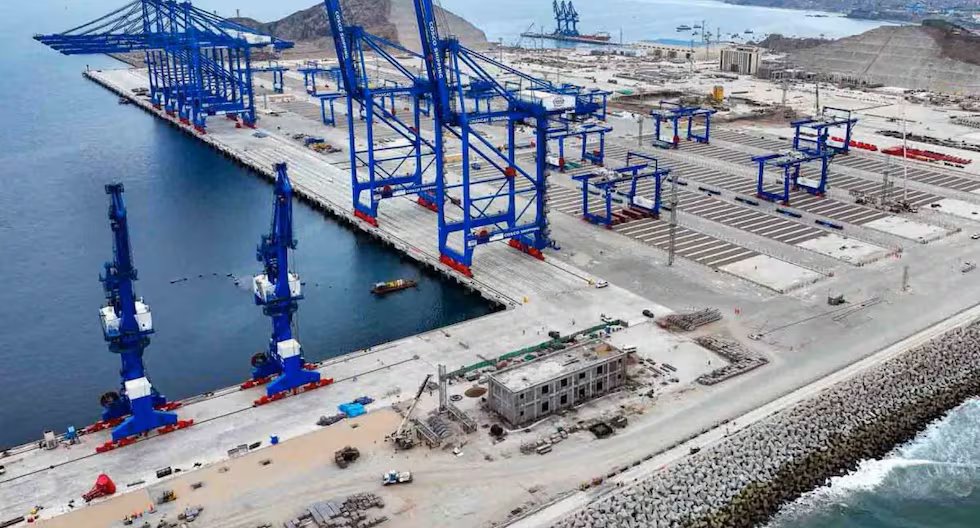

The Second Constitutional Chamber of the Superior Court of Justice of Lima revoked the first instance ruling that restricted the powers of the Supervisory Body for Investment in Public Use Transportation Infrastructure (Ositran) with respect to the Chancay Multipurpose Port Terminal and declared inadmissible the application for protection presented by Cosco Shipping Ports Chancay Perú SA
The Second Constitutional Chamber of the Superior Court of Justice of Lima revoked the first instance ruling that restricted the powers of the Supervisory Body for Investment in Public Use Transportation Infrastructure (Ositran) with respect to the Chancay Multipurpose Port Terminal and declared inadmissible the application for protection presented by Cosco Shipping Ports Chancay Perú SA
MORE INFORMATION: Ositrán verifies completion of works on Phase 1B of the new Jorge Chávez terminal
With this decision, the Chamber concluded that the questioned actions correspond to the regular exercise of the powers that the law attributes to Ositran and that they do not constitute a certain and imminent threat to fundamental rights, an essential requirement for the admissibility of an amparo process.
In this way, the judicial decision revokes the ruling issued in January 2026, which ordered Ositrán to refrain from exercising its functions over the operations of the Chancay Multipurpose Port Terminal, and reaffirms the legal framework that supports the powers of the regulatory body over transportation infrastructure for public use.
READ ALSO: Sunat detects eleven methods that companies use to evade taxes
In his resolution, the referee specifies that the Chancay Port Terminal It is a transportation infrastructure for public use and, regardless of whether its ownership is private, the company that operates it qualifies as a provider entity. Consequently, it is subject to the regulation, supervision, inspection and sanction functions that current legislation assigns to Ositran.
The Chamber also pointed out that the communications, requirements and other administrative actions issued by the regulator are part of the legitimate exercise of its legal powers and that any controversy arising from administrative procedures must be resolved through the administrative and contentious-administrative channels provided for by the legal system.