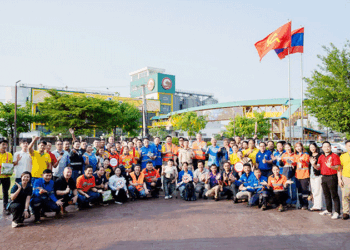
The policy brings together government, humanitarian and disaster risk financing partners in a public-private collaboration to strengthen preparedness and long-term resilience to climate and disaster risks.
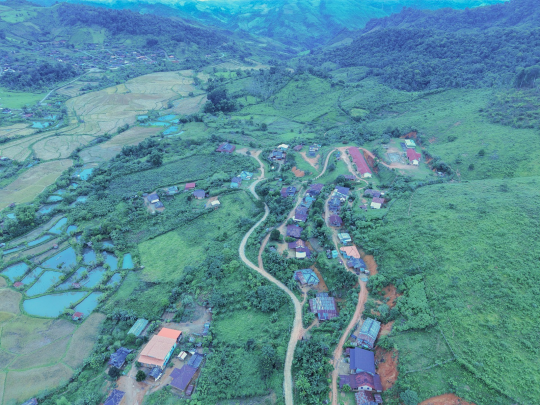
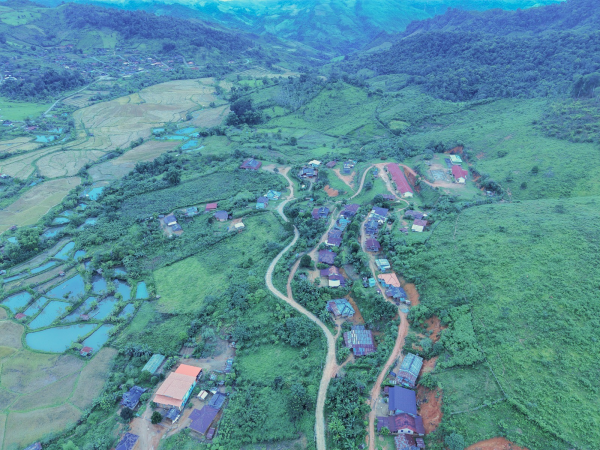
In the Lao PDR, climate shocks are increasing the frequency and severity of floods, droughts and storms. Rural communities are hit hardest because livelihoods are closely tied to agriculture, and food insecurity remains a persistent challenge. Rapid support for vulnerable households, including through cash-based assistance, is critical when disasters strike, enabling communities to prepare for and protect their homes and livelihoods.
.jpg)
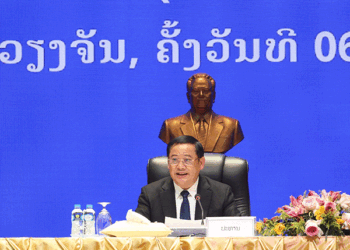
“The SEADRIF parametric insurance policy represents an important step in strengthening our national systems to prepare for emergencies and better protect vulnerable communities,” said Mr Vongkham Phanthanouvong, Director-General of the Social Welfare Department, Ministry of Labour and Social Welfare, Lao PDR. “By working with WFP, we can plan more effectively and ensure timely, predictable support for people impacted by climate-related shocks. This collaboration demonstrates our shared commitment and strong partnership in building resilience and safeguarding livelihoods across the Lao PDR.”
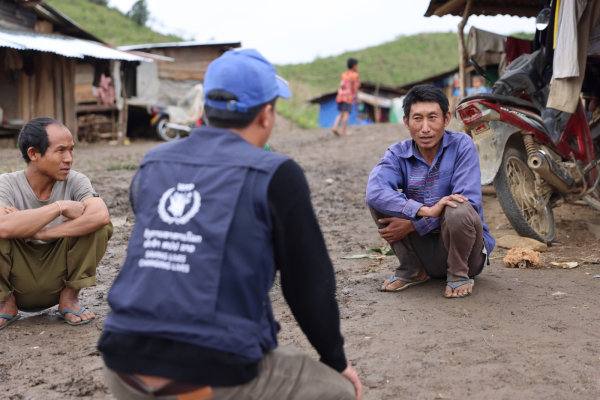
The policy mirrors the structure of the existing sovereign disaster insurance programme co-designed by the Lao PDR and SEADRIF and launched in 2025. The programme introduced the world’s first impact-based insurance policy, with payouts triggered by the number of people affected, as reported through official government data, rather than hazard measurements or modelled losses. Following a series of disaster events in 2025, including Tropical Cyclones Wutip and Wipha and associated flooding, the SEADRIF policy provided US$2 million to the Government of the Lao PDR within days. This demonstrates how well-designed disaster risk financing instruments can deliver rapid, rules-based financing at scale to support immediate disaster response efforts.
WFP is building on this progress by replicating the Government’s policy in 2026. The policy came into effect on 1 May 2026 for a twelve-month coverage period, with implementation anchored in Lao PDR’s shock-responsive social protection system. Once triggered, payouts will finance WFP response operations and be deployed in coordination with the Government through a jointly agreed response plan. The policy is expected to support more than 31,000 vulnerable people through timely cash-based transfers and linkages with national social protection systems.
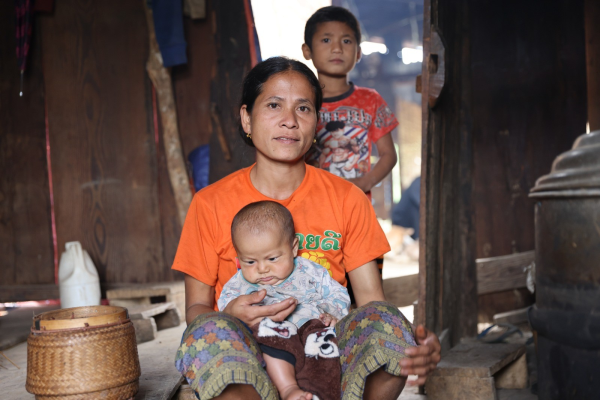
“This SEADRIF parametric insurance policy demonstrates how innovative disaster risk financing can reach the most vulnerable households while also strengthening national shock-responsive systems,” said Marc-André Prost, WFP Laos Representative and Country Director. “Through this policy and the resulting partnerships, WFP can ensure it has the resources required to deliver rapid, predictable and people-centred support to communities affected by climate-related shocks in coordination with the Ministry of Labour and Social Welfare.”
Coverage spans multiple hazards, including floods, tropical cyclones, earthquakes and landslides, providing up to US$1.1 million in annual protection. Payouts are activated as disaster impacts accumulate, beginning when at least 200,000 people are affected and increasing as impacts intensify. WFP subscribed to this policy with funding from the Global Shield Financing Facility (GSFF).
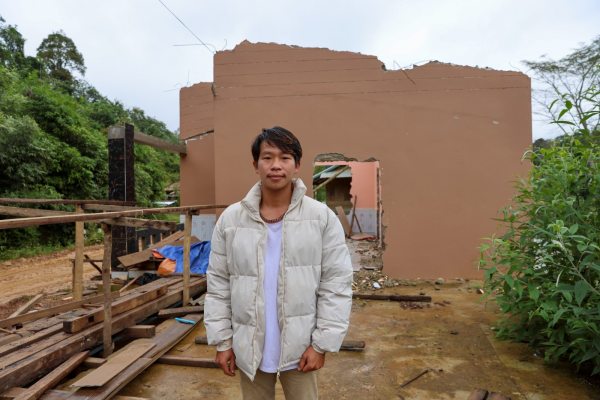
The experience in the Lao PDR will inform further development of disaster risk financing solutions across the region, as countries seek more innovative and coordinated approaches to managing climate risk. Collaboration between SEADRIF and WFP in Lao PDR provides a pathway for extending impact-based risk transfer through partnerships with humanitarian agencies, including other UN partners, with potential application in climate-vulnerable settings beyond Southeast Asia.
“This policy extends financial protection directly to households — the people most exposed when disasters strike,” said Benedikt Signer, CEO of the SEADRIF Insurance Company. “It builds on the sovereign programme we co-designed with the Lao PDR and demonstrates what is possible when government, humanitarian and risk financing actors work towards a shared vision for resilience. We see this as a model for the region.”