For centuries, anatomists and anthropologists have tried to unravel the true purpose of this small area of the brain, writes “Daily Mail”.
Scientists studying the mysterious “third eye” hidden in the very center of the human head say it plays a key role after millions of years of evolution and now know how it formed. Researchers from the UK and Sweden have dubbed this ancient organ the ‘middle eye’.
Scientists believe that the species from which humans evolved relied on this ‘eye’ after losing its two lateral eyes around 500 million years ago. According to their research, these ancient species of invertebrates – creatures without backbones – burrowed underground and lost the ability to use their normal eyes, making them dependent on this central organ to perceive light.
This organ, called the pineal gland, has been described by doctors since the time of the ancient Greeks, but until new evidence emerged, it was assumed that it developed separately from the eyes.
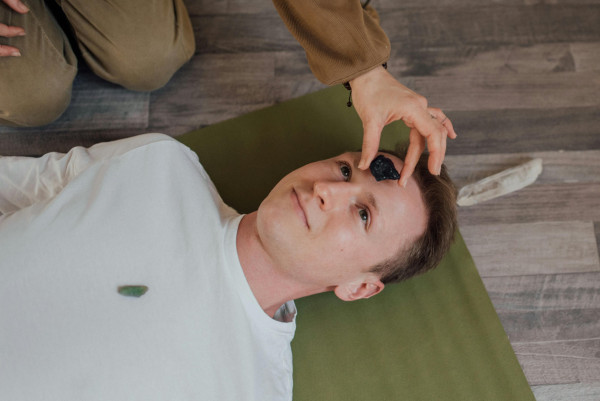
Today, remnants of the third eye can still be found in the human skull. It no longer perceives light directly, but still receives light and dark information from our eyes and uses it to help regulate sleep patterns.
The third eye produces the hormone melatonin, a chemical signal that tells the body that night has come and it needs rest. It helps synchronize circadian rhythms, the 24-hour cycle that promotes sleep and affects other physiological processes throughout the day and night.
This includes the control of the reproductive system, the health of the immune system, and some scientists suggest that it even affects our mood and ability to regulate our body temperature.
Although it is no longer a true eye, it is made up of specialized cells called pinealocytes that secrete melatonin. The study, published in the journal Current Biology, aimed to understand how evolution took place over hundreds of millions of years human eye and retina.

The researchers, led by University of Sussex neurobiologist Professor Thomas Baden, discovered that the earliest human ancestors on the planet had both lateral eyes and a middle light-sensitive structure in their heads. When some of these early ancestors began digging caves and filtering food half a billion years ago, they lost their lateral eyes and began to rely primarily on this middle structure to sense direction and determine when it was day or night above ground.
Scientists believe that much later, these parts of the third eye developed and migrated to the side of the head, developing into the vital nerve tissue called retinas that we have in our eyes today.