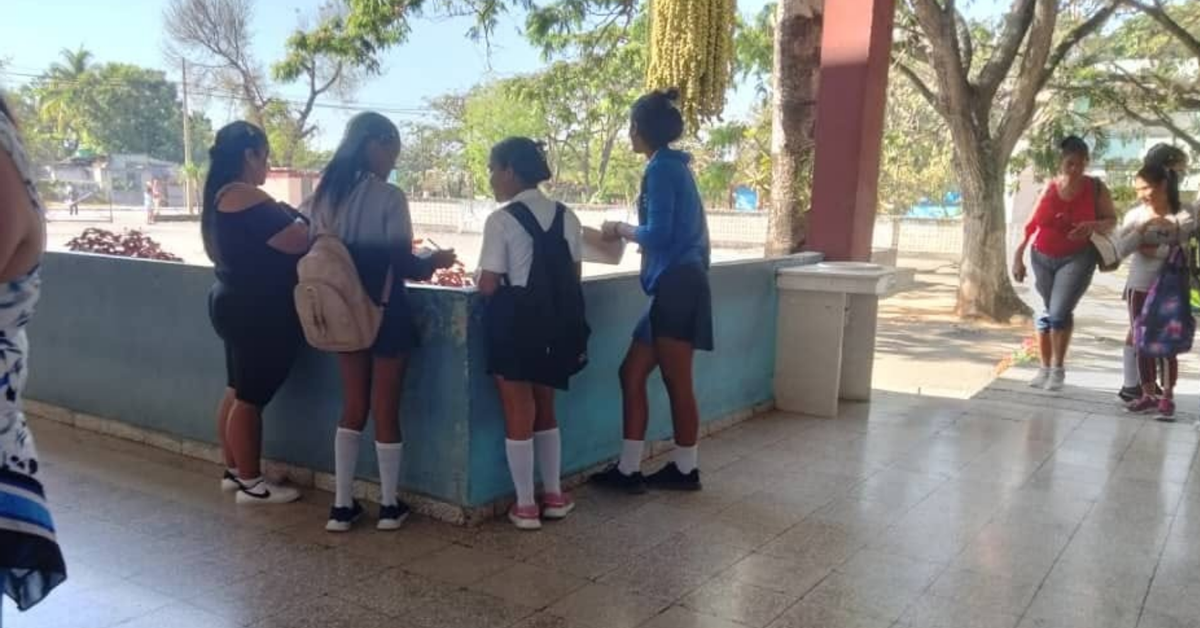
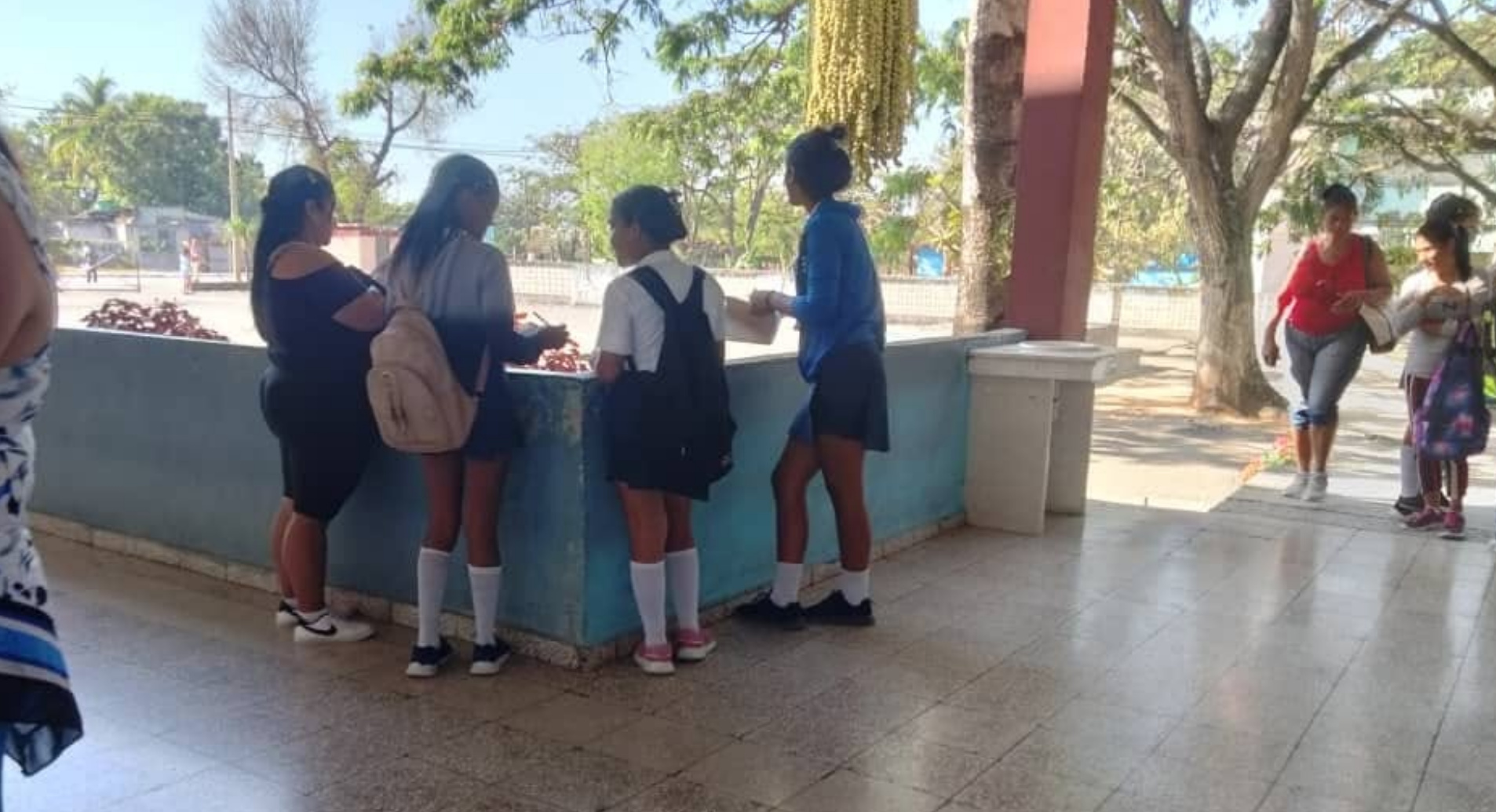
Havana/A total of 25 students from the Pepito Tey Urban Basic Secondary School, in the municipality of Contramaestre, in Santiago de Cuba, and an adult from that center received hospital care this Wednesday after presenting symptoms of poisoning.
The Department of Information and Social Communication of the Municipal Government of Contramaestre detailed on social networks that those affected – with vomiting, cramps, headache and eye irritation – “were treated immediately and so far everyone is out of danger.”
In addition, only thirteen of them remained admitted to the Orlando Pantoja Tamayo hospital last night, “under observation with symptoms decreasing,” since “the others were discharged.”
The authorities indicated that the psychologists at the medical institution were giving all the necessary support to the students and family members and indicated that they will continue to inform when “the pertinent investigation is carried out in these cases.”
More than 12 hours after the event, many users asked for information, at least preliminary, since the vast majority of those affected were minors, which generated concern among parents.
However, on social networks the anxiety to have at least clues about what happened has been widespread. More than 12 hours after the event, many users asked for information, at least preliminary, since the vast majority of those affected were minors, which generated concern among parents.
Furthermore, cases of this type have multiplied in recent times. Just two weeks ago, the Health Directorate of the province of Holguín reported the death of two people due to poisoning after consuming nitro salt.
In September, health authorities of Matanzas reported that at least 22 children and seven adults were affected by an outbreak of food poisoning without knowing the causes. Something similar happened also in Santiago this Augustwhen 52 people were poisoned.
The shortage of food and basic products in Cuba leads many people to acquire them illegally without knowing their origin, the conditions in which they were produced, or if they were affected by the lack of refrigeration due to prolonged electricity cuts due to the acute energy crisis in the country.