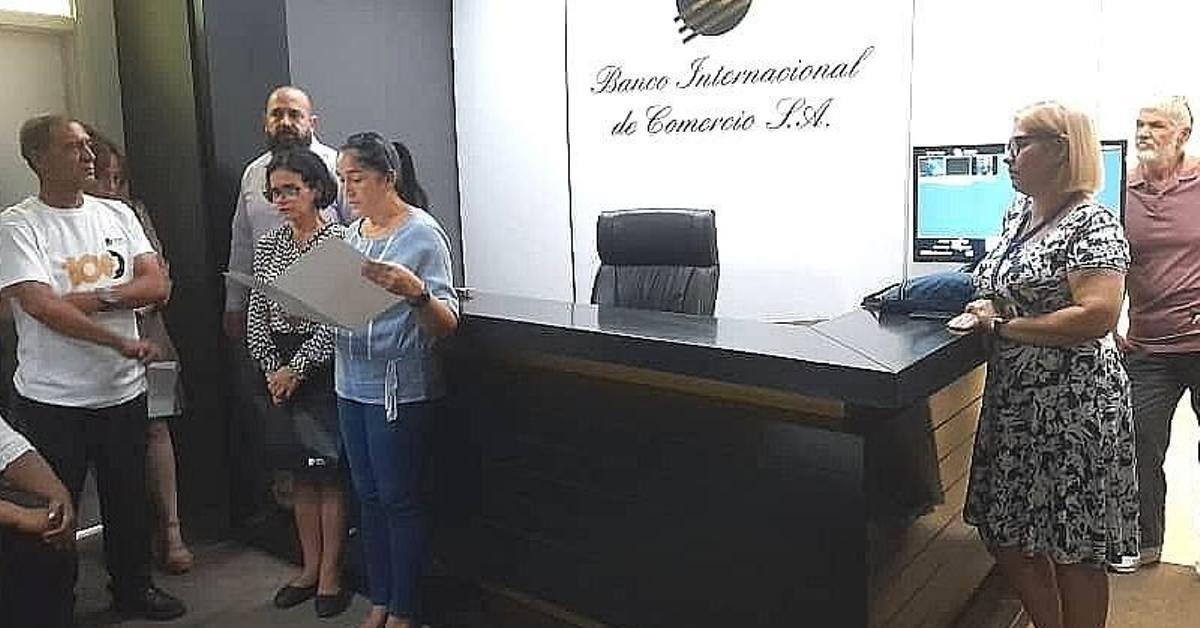
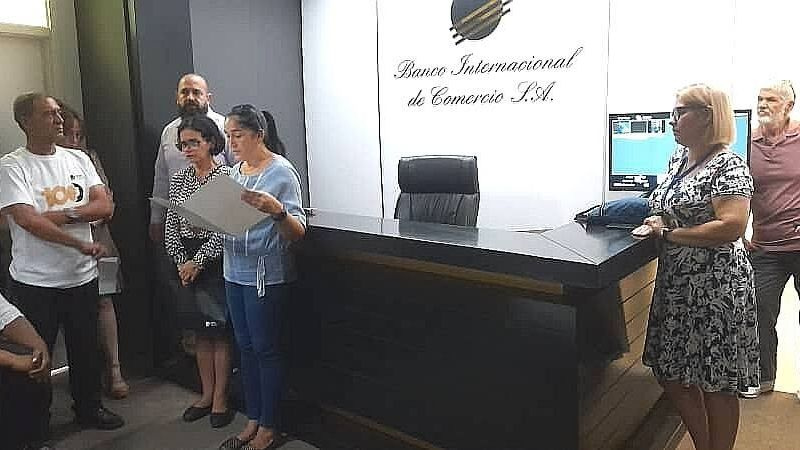
Havana/The International Bank of Commerce SA (Bicsa), which 11 years ago became a symbol of the financial rapprochement between Cuba and the United States, has ended up on Washington’s blacklist for its links with Iran. The Secretary of State, Marco Rubio, announced this Thursday new sanctions against the Cuban state entity, which he accuses of providing services since at least 2022 to the Iranian bank Karafarin, sanctioned by the Treasury Department since 2020.
The decision represents a new blow to Havana’s international financial operations, at a time when the Island faces serious difficulties in obtaining foreign currency, paying for imports and maintaining its commercial relations. The Treasury Department confirmed that the measure It is part of the so-called Operation Economic Outcast, aimed at dismantling the banking networks used by Tehran to evade international sanctions. The decision comes just six weeks after Washington will also include in its blacklist to the Foreign Bank of Cuba.
Rubio accused the Cuban regime of allowing the island to function as a platform for foreign actors hostile to the United States, including Iran. The Secretary of State assured that the Donald Trump Administration will continue to identify and dismantle the financial and security connections between both countries.
Bicsa had been founded in 1993, primarily to manage international transactions
The story has an irony that is difficult to ignore. On July 21, 2015, just one day after the reestablishment of diplomatic relations between Washington and Havana, Bicsa signed a correspondent agreement with Stonegate Bank, a Florida institution. It was the first agreement of this nature between banks from both countries since the imposition of the US embargo.
The agreement was then presented as a historic step towards economic normalization promoted by Barack Obama and Raúl Castro. David Seleski, president of Stonegate, welcomed the possibility of facilitating transfers between the two countries and promote authorized commercial operations.
Bicsa had been founded in 1993, primarily to manage international transactions. According to the statement released by Stonegate in July 2015, the Cuban institution then maintained more than 600 correspondent relationships around the world and was audited annually by the firm Ernst & Young.
Washington warned that foreign banks that maintain certain operations with Bicsa are also exposed to sanctions
The new sanction involves the blocking of Bicsa’s assets that are located in the United States or under the control of persons subject to its jurisdiction. It also prohibits unauthorized operations with the entity and extends restrictions to companies in which the sanctioned persons own, individually or jointly, at least 50% of the stake.
But the consequences may go beyond American borders. Washington warned that foreign banks that maintain certain operations with Bicsa are also exposed to sanctions, an especially significant threat for an institution dedicated to international trade. On September 29, Washington had already tightened restrictions on banking operations with Cuba, including the accounts of Cuban entrepreneurs in the United States and certain financial transfers with third countries.
The Office of Foreign Assets Control (Ofac) established November 14, 2026 as the deadline for a period during which it does not intend to sanction foreign entities for ordinary and necessary operations to close their relations with Bicsa. The provision does not constitute a general authorization to continue negotiating with the Cuban bank, but rather a limited opportunity to disengage from it.