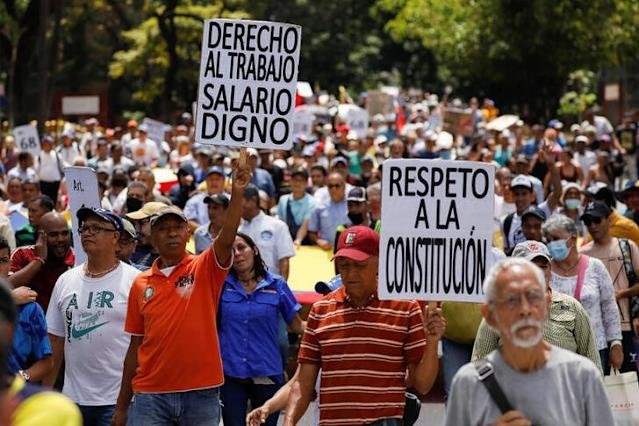
Given the proposal of tie the salary to the quarterly growth of the Gross Domestic Product (GDP) Starting in 2027, businessmen, economists and union representatives question the viability of the measure.
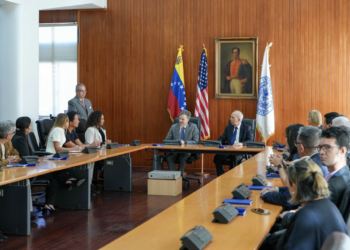
The president in charge of Venezuela, Delcy Rodríguez, presented the scheme during a message addressed to the country, in which she reported on the results of the conversations of a table in which representatives of the Executive, union centers and business chambers participate.
According to what was announced, Workers will receive four increases over the next year. Each adjustment will have as a reference the economic growth recorded in the previous quarter and cannot be placed below that result.
For the president of Fedecámaras, Felipe Capozzolo, the proposal announced by the Executive is conditional on the fulfillment of several commitments. “To understand the dimension of the announcements that the Executive has made, we must pay attention to the complete message and all the conditions that it brings with it,” he said.
Capozzolo explained that the scheme is subject to the country’s economic growth, measured through GDP, and the approval of the Labor and Social Consensus Law.
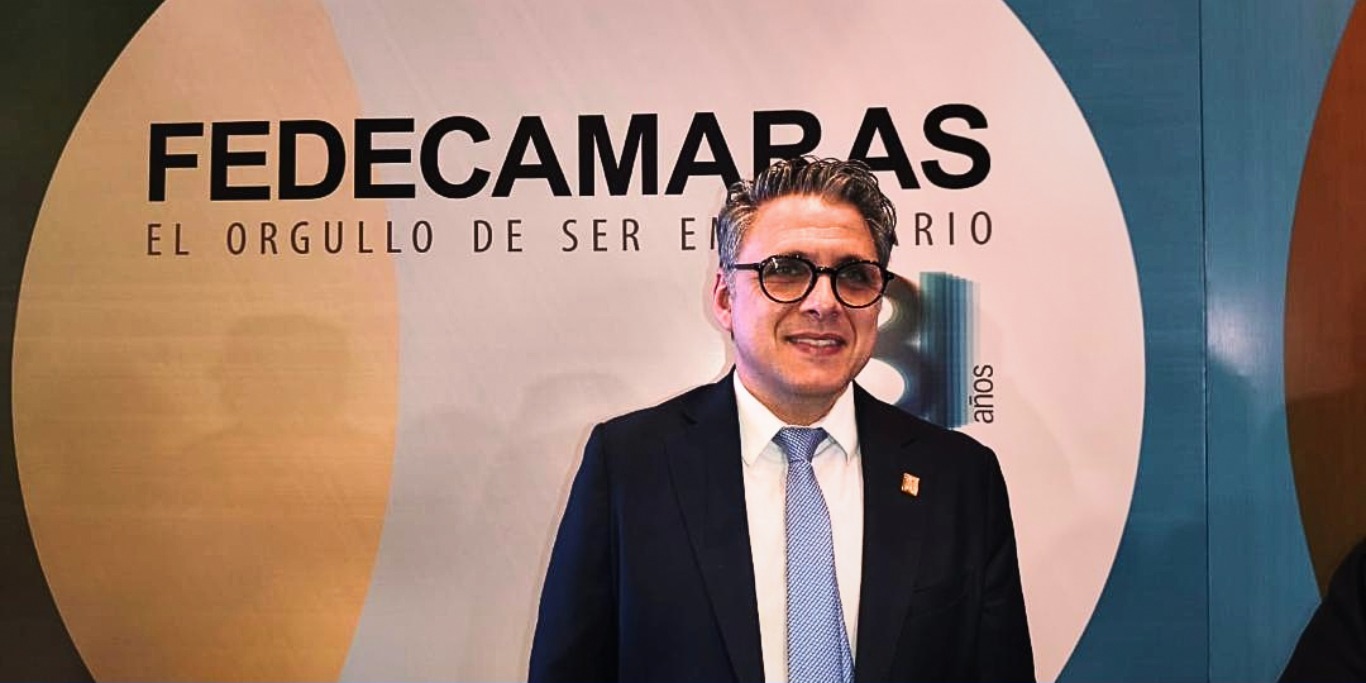
He pointed out that Fedecámaras supports the increase in income accompanied by a process of “continuous salaryization”provided that the aforementioned economic and legal conditions are met.
He clarified that the support of the business leadership for the tripartite discussions is subject to compliance with both premises: “If any of these premises, such as the growth indicator or the Law of Labor or Social Consensus, does not accompany the proposal, it is already another proposal different from the one being discussed.”
When asked about the relationship of this regulation with the Organic Law of Labor, Men and Women Workers (Lottt), Capozzolo clarified that it is a different legislation. He explained that his objective would be to regulate the social fact of work and allow those who are currently on the margins of labor benefits can access decent income and participate in a salaryization process.
“Because if we have a new law that, in some way, presupposes benefits that can really be met, that presupposes the construction of benefit savings that workers can build little by little with the contribution of companies as well; we are accompanying this entire process,” said the spokesperson. The mechanism, as he explained, would allow constant monitoring of savings and transfer of funds continuously.
The union leader also questioned the results of the current labor legislation and contrasted its promises with the benefits that workers currently receive: “The truth is that the current law we have promises a lot, but pays little. That’s the reality. It promises a lot, but delivers nothing. And we are comparing a law, we are comparing a horizon in 2027 at this moment against nothing, because the workers at this moment have nothing.

Will salary adjustments linked to GDP protect the purchasing power of Venezuelans?
The proposal, however, raises questions among economists. José Guerra, member of the Venezuelan Finance Observatory (OVF), warned through the social network
He explained that real GDP measures the evolution of economic activity without incorporating the increase in prices, so it does not reflect the increase in the cost of goods and services that households must cover.
Guerra considered that salaries should be adjusted according to inflation and not quarterly production to stop the deterioration of income. He questioned that the Executive speaks of “income” instead of referring directly to the base salary.
Meanwhile, the economist Leonardo Vera asked himself: «How are they going to announce that the salary increases in 2027 will be at least greater than the growth of real GDP? “That is only conceivable if expected inflation is zero.”

“Vague, political and propaganda advertisement”
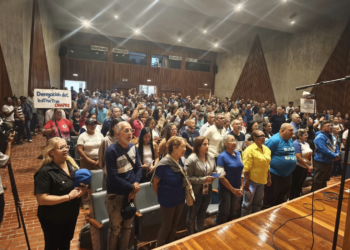
From the independent union movement, the Executive’s approach raises strong questions. The coordinator of the National Trade Union Coalition, Carlos Salazar, described the roadmap presented by the government as a “vague, political and propagandistic” announcement.
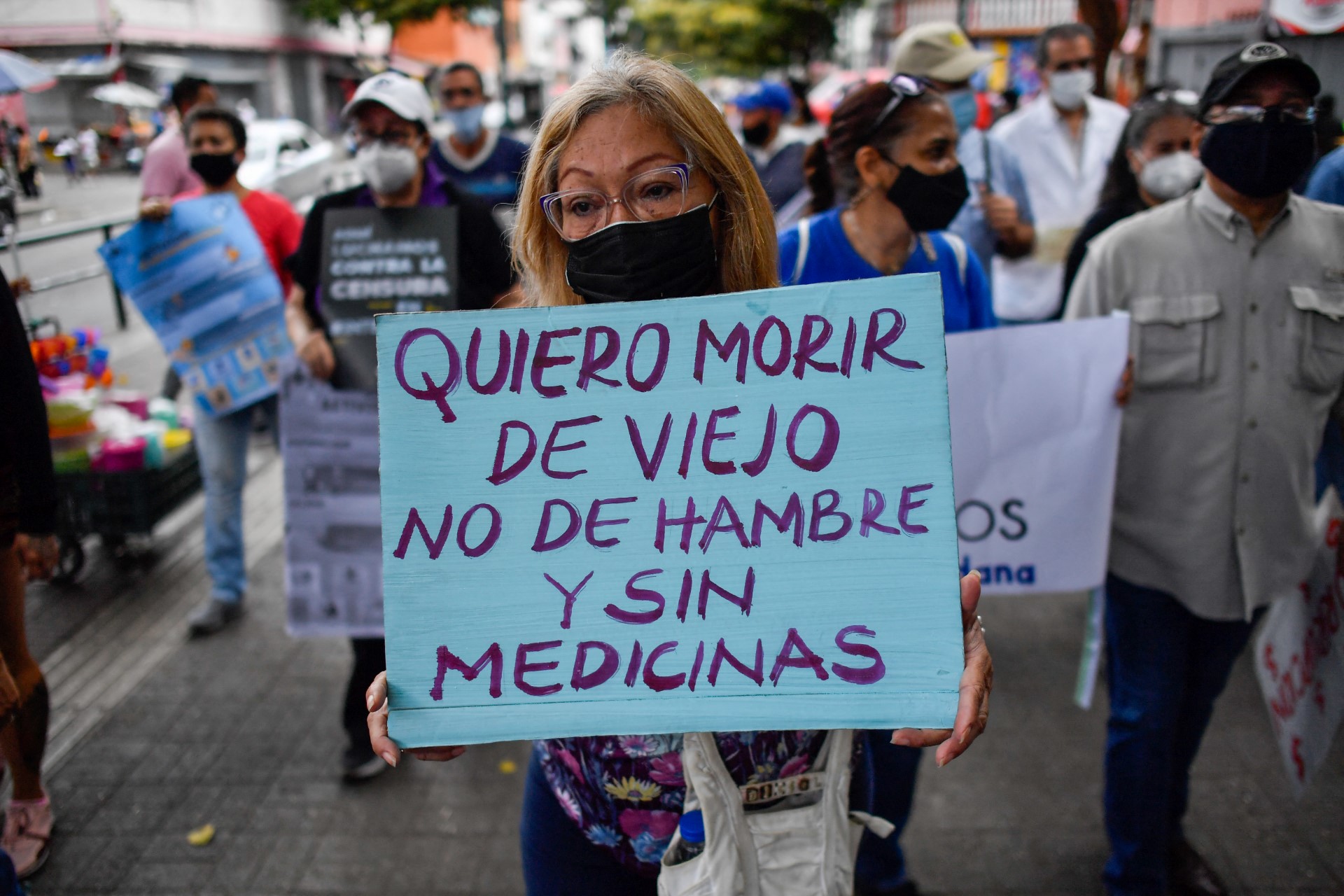
Salazar maintained that The economic situation of workers and pensioners does not allow them to wait until 2027 to receive improvements in your income.
«We are experiencing a tragedy, not only in services, but democratic, political, civil, in the workplace. A worker does not wait. Nowadays we get sick and looking for a doctor is a family tragedy because public hospitals practically function like private clinics where you have to pay for absolutely everything. “Neither workers nor pensioners are going to last until 2027 when the food basket already exceeds 700 dollars,” he said.
He also questioned the viability of the plan by pointing out the institutional opacity that prevails in the country. In his opinion, it is impossible to audit increases linked to GDP when the State does not account for oil production, Seniat tax revenues, or the collection of records and notaries.
«They don’t even tell you the percentages; It is an empty speech. It is the same technique they used on April 30 when they promised a ‘responsible salary’ and we ended up receiving only $50 in bonuses and $10 in pension,” he denounced.
Regarding the representativeness of the technical tables that evaluate the Law of Labor and Social Consensus together with Fedecámaras, Salazar denounced that the agreements are being articulated clandestinely and with union organizations “tailored” to the interests of the Executive.
«They always cook up agreements behind the workers’ backs. They have never invited us. This supposed table does not represent a consensus on both sides; It is a single opinion aligned with the management of Delcy Rodríguez. What is done in secret is because it does not have a good purpose nor will it leave a good result,” he expressed.
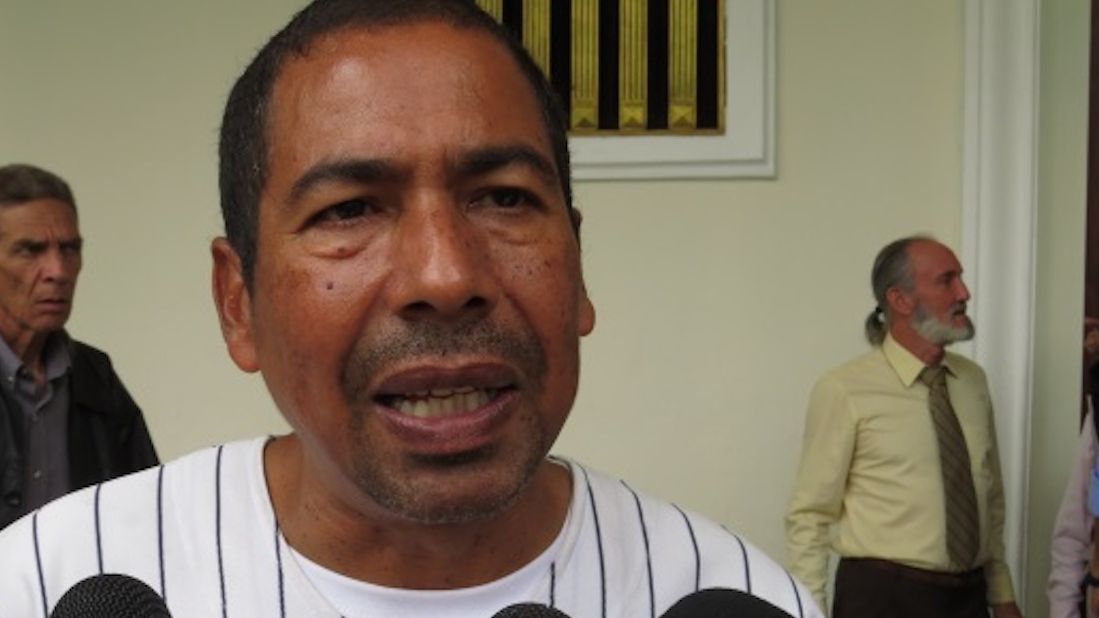
When asked if the Labor Consensus Law could replace current legislation and eliminate the retroactivity of social benefits in exchange for indexed bonuses, Salazar responded: “That’s what they want”.
For the leader, any attempt to displace the current legal framework to relax the historical benefits of the working class represents a violation of acquired rights.
«That is absolute illegality. Everything that comes from there is illegal because articles 89, 95 and 96 of the Constitution are unbreakable. To break the assets and savings of the workers, an approval referendum would have to be called, and in a referendum they lose,” he said.
The spokesperson also demanded that labor discussions take into account the real value of work and the remuneration conditions of employees: “If you want a serious meeting with serious leaders, let’s talk about the value of the work hour set and paid directly in dollars, because here everything is transacted in dollars. “What they seek with this labor consensus is to act to the detriment of the working class.”

Given the lack of responses, the National Trade Union Coalition announced an agenda of protests to demand that the Executive announce bonuses that will cover the needs of workers before the end of the year.
Salazar reported that the independent union movement will hold new meetings to organize a cycle of civil protests called “the national trancazos”scheduled to begin before November 11. The call seeks to bring together the health and education sectors, civil society and the student movement.
“We are heading towards a national blockade, towards a staggered strike and towards a national strike if the announcement of decent bonuses, the re-employment of the thousands of teachers and oil workers suspended for political reasons, and the cessation of military tutelage in the State industries does not occur at this very moment,” the leader warned.
Salazar assured thatThe protests will continue despite the atmosphere of persecution and judicial intimidation which, according to what he denounced, union leaders face from the State security forces and the courts.
«They took the salary and pension to the worst, to the lowest peak. If there are no answers in December, from January 4 the protests will begin throughout the country, but with no turning back,” he concluded.