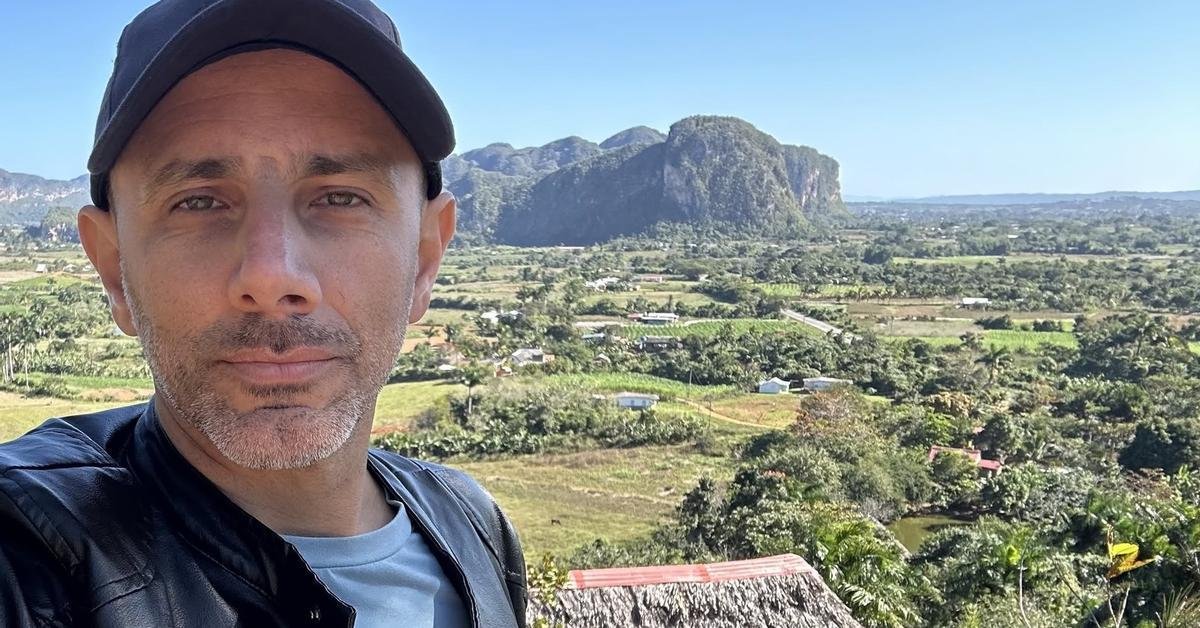
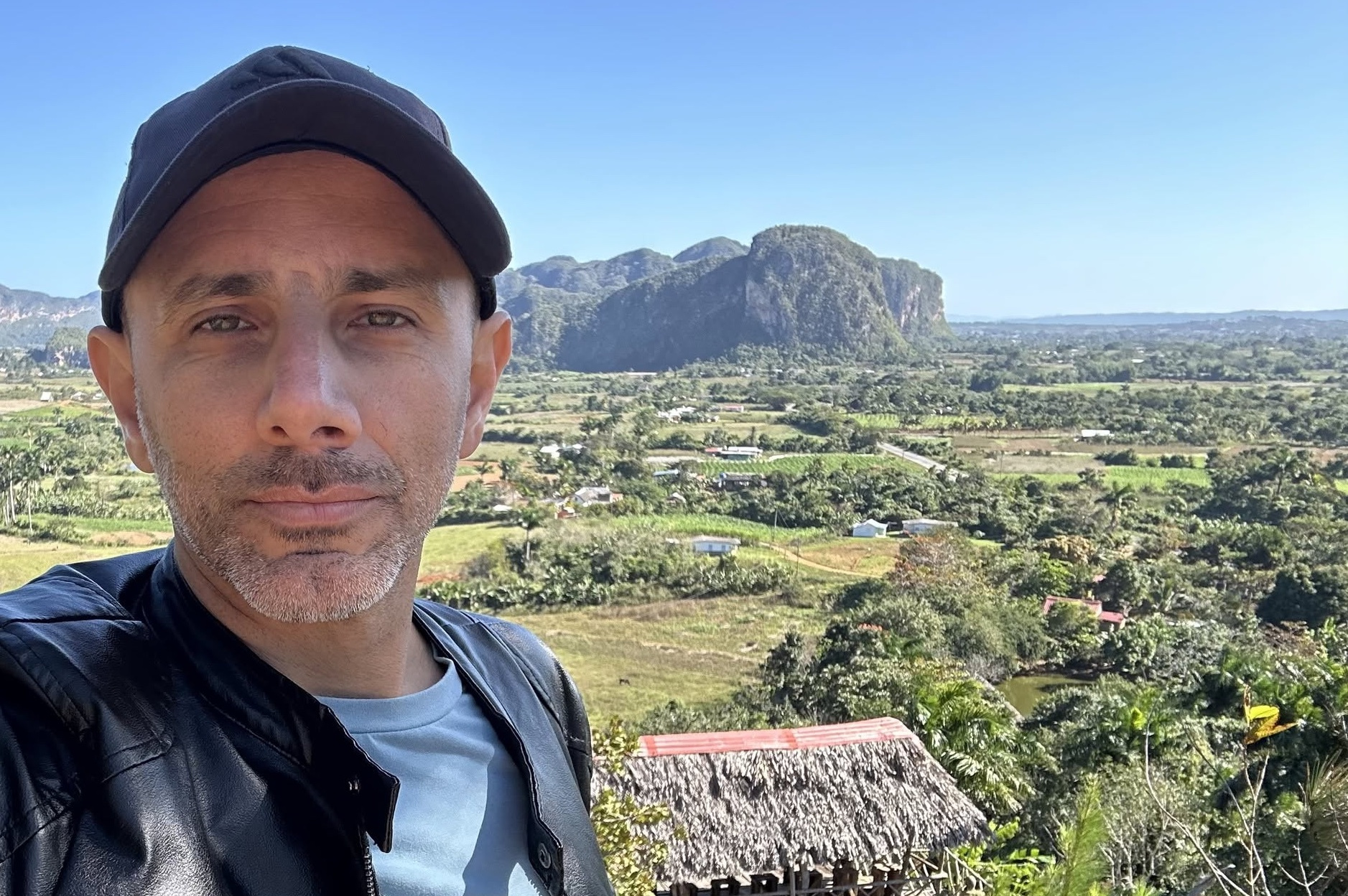
Havana/The defense of the journalist Henry Constantin This Tuesday, he asked to change the precautionary measure against the independent communicator, who is serving 20 days in preventive detention in the Kilo 7 prison, in Camagüey, accused of “disobedience.” The petition seeks to have him face his trial in freedom. According to a publication by Cuba Timea media outlet directed by Constantín, will also submit a request to incorporate a writing by the journalist as documentary evidence.
The request will be before the Provincial Prosecutor’s Office of Camagüey. “As reported by the lawyer yesterday (Monday) afternoon, Constantín’s file did not go to trial. The Municipal Court decided to return it to the Prosecutor’s Office. The lawyer said she did not know the reasons for this decision,” he indicated. Cuba Time in a post this Tuesday.
For the Cuban Observatory of Human Rights (Ocdh), the return could be related “to the lack of some element necessary to support the accusation against Constantín,” said the media, which added that, from the moment the request is made, the prosecutor will have 72 hours to carry out the procedures requested by the Court and “complete the actions that he considers pending.”
This decision keeps the process in uncertainty “and it is not known when the trial will open,” he declared this Tuesday to Martí News Alejandra García, journalist Cuba Time and Constantine’s partner.
The independent communicator was arrested on September 16, after responding to a summons from the Cuban authorities.
The independent communicator was arrested on September 16after responding to a summons from the Cuban authorities in the Second Unit of the National Revolutionary Police of Camagüey. The official justification for imprisoning him was not having responded to a summons from the Directorate of Identification, Immigration and Immigration.
During the process, the authorities have put obstacles at every opportunity. Two days after his arrest, Constantín’s defense was unable to present an appeal. habeas corpus because it was “job change” day (Friday, September 18). He had to wait until Monday the 21st. For this reason, the hearing to decide on the habeas corpuswhich according to the Cuban Criminal Procedure Law should have been held before Friday the 25th, did not take place either.
The communicator “remains calm and is secure with his convictions and what he believes,” he declared last Sunday to Martí News Alejandra García, who hopes that the response from the Prosecutor’s Office will be positive regarding the precautionary measure.
Constantín’s case is one of 17 arbitrary arrests in the country during the past month, documented by the Ocdh in its most recent report, published this Tuesday.
“Several arrests were accompanied by beatings, threats, surveillance, confiscation of belongings, interrogations and other forms of harassment”
“Several arrests were accompanied by beatings, threats, surveillance, confiscation of belongings, interrogations and other forms of harassment,” the Observatory denounced.
“It has been a disastrous month for freedom of expression and independent journalism. The regime, in the midst of its unpopularity, wants to impose the law of silence and unfortunately we believe that it can get worse. When the representatives of the regime affirm that in the negotiations they will not discuss ‘internal political issues’, it really means that they will maintain both the laws and practices that allow repression against the people,” said Yaxys Cires, Director of Strategies at the Observatory.
In total, according to the organization, at least 344 repressive actions were recorded, an increase compared to August, when the Ocdh recorded 304. “Among the main abuses are 151 cases of people being besieged in their homes, 53 complaints made by political prisoners, common prisoners and their families, threats, police summonses and fines.” The report records that “one of the most significant operations occurred on September 18, when independent journalists, activists and members of civil society denounced police sieges, surveillance, prohibitions on leaving their homes and threats of arrest to prevent them from attending American Nights, a meeting organized by the United States Embassy in Havana.”
“One of the most significant operations occurred on September 18”
Among the affected people were Yoani Sanchez –director and founder of 14ymedio– and her partner Reinaldo Escobar (who have also been besieged in their home today), as well as Camila Acosta, Wilber Aguilar, José Elías González Agüero, Alejandro García Arias, Óscar Elías Biscet, Elsa Morejón, Marthadela Tamayo, Osvaldo Navarro and Laura María Labrada Pollán.
The Ocdh also documented at least 46 cases of abuse against political prisoners in Cuba, among which predominate complaints of lack or denial of medical care, insufficient or poor food, isolation, solitary confinement, physical attacks, threats, reprisals and restrictions on penitentiary rights.