Wednesday, May 6, 2026
    The GeoStrategic Consensus
    No Result
    View All Result
    • Login
    • HOME
    • AMERICAS
      • Argentina
      • Brazil
      • Canada
      • Chile
      • Colombia
      • Costa Rica
      • Cuba
      • Dominican Republic
      • Ecuador
      • El Salvador
      • Greenland
      • Guatemala
      • Honduras
      • Mexico
      • Nicaragua
      • Panama
      • Paraguay
      • Peru
      • United States
      • Uruguay
      • Venezuela
    • ASIA-PACIFIC
      • Australia
      • Brunei Darussalam
      • Cambodia
      • China
      • Federated States of Micronesia
      • Fiji
      • Indonesia
      • Japan
      • Kiribati
      • Laos
      • Malaysia
      • Marshall Islands
      • Mongolia
      • Myanmar
      • Nauru
      • New Zealand
      • North Korea
      • Palau
      • Papua New Guinea
      • Philippines
      • Samoa
      • Singapore
      • Solomon Islands
      • South Korea
      • Taiwan
      • Thailand
      • Timor-Leste
      • Tonga
      • Tuvalu
      • Vanuatu
      • Vietnam
    • CARICOM
      • CARICOM – Non-English
        • Haiti
        • Suriname
      • CARICOM Associates
        • Anguilla
        • Bermuda
        • British-Virgin-Islands
        • Cayman-Islands
        • Curacao
        • Turks-and-Caicos
      • CARICOM English
        • Antigua and Barbuda
        • Barbados
        • Belize
        • Dominica
        • Grenada
        • Guyana
        • Jamaica
        • Montserrat
        • Saint Kitts and Nevis
        • Saint Lucia
        • Saint Vincent and the Grenadines
        • The Bahamas
        • Trinidad and Tobago
    • EURASIA
      • Armenia
      • Azerbaijan
      • Balarus
      • Georgia
      • Kazakhstan
      • Kyrgyzstan
      • Moldova
      • Russia
      • Tajikistan
      • Turkmenistan
      • Ukraine
      • Uzbekistan
    • EUROPE
      • Albania
      • Andorra
      • Austria
      • Bosnia and Herzegovina
      • Bulgaria
      • Croatia
      • Cyprus
      • Czech Republic
      • Denmark
      • Estonia
      • Finland
      • France
      • Germany
      • Greece
      • Holy See
      • Hungary
      • Iceland
      • Ireland
      • Italy
      • Kosovo
      • Latvia
      • Liechtenstein
      • Lithuania
      • Luxembourg
      • Malta
      • Monaco
      • Montenegro
      • Netherlands
      • North Macedonia
      • Norway
      • Poland
      • Portugal
      • Romania
      • San Marino
      • Serbia
      • Slovakia
      • Slovenia
      • Spain
      • Sweden
      • Switzerland
      • United Kingdom
    • MIDDLE EAST AND NORTH AFRICA
      • Algeria
      • Bahrain
      • Egypt
      • Iran
      • Iraq
      • Israel
      • Jordan
      • Kuwait
      • Lebanon
      • Lybia
      • Morocco
      • Oman
      • Palestinian Territories
      • Qatar
      • Saudi Arabia
      • Syria
      • Tunisia
      • Turkey
      • United Arab Emirates
      • Western Sahara
      • Yemen
    • SOUTH ASIA
      • Afghanistan
      • Bangladesh
      • Bhutan
      • India
      • Maldives
      • Nepal
      • Pakistan
      • Sri Lanka
    • SUB-SAHARAN AFRICA
      • Angola
      • Benin
      • Botswana
      • Burkina Faso
      • Burundi
      • Cabo Verde
      • Cameroon
      • Central African Republic
      • Chad
      • Comoros
      • Cote d’Ivoire
      • Democratic Republic of the Congo
      • Djibouti
      • Equatorial Guinea
      • Eritrea
      • Eswatini
      • Ethiopia
      • Gabon
      • Gambia
      • Ghana
      • Guinea
      • Guinea Bissau
      • Kenya
      • Lesotho
      • Liberia
      • Madagascar
      • Malawi
      • Mali
      • Mauritania
      • Mauritius
      • Mozambique
      • Namibia
      • Niger
      • Nigeria
      • Republic of the Congo
      • Rwanda
      • Sao Tome and Principe
      • Senegal
      • Seychelles
      • Sierra Leone
      • Somalia
      • South Africa
      • South Sudan
      • Sudan
      • Tanzania
      • Togo
      • Uganda
      • Zambia
      • Zimbabwe
    • HOME
    • AMERICAS
      • Argentina
      • Brazil
      • Canada
      • Chile
      • Colombia
      • Costa Rica
      • Cuba
      • Dominican Republic
      • Ecuador
      • El Salvador
      • Greenland
      • Guatemala
      • Honduras
      • Mexico
      • Nicaragua
      • Panama
      • Paraguay
      • Peru
      • United States
      • Uruguay
      • Venezuela
    • ASIA-PACIFIC
      • Australia
      • Brunei Darussalam
      • Cambodia
      • China
      • Federated States of Micronesia
      • Fiji
      • Indonesia
      • Japan
      • Kiribati
      • Laos
      • Malaysia
      • Marshall Islands
      • Mongolia
      • Myanmar
      • Nauru
      • New Zealand
      • North Korea
      • Palau
      • Papua New Guinea
      • Philippines
      • Samoa
      • Singapore
      • Solomon Islands
      • South Korea
      • Taiwan
      • Thailand
      • Timor-Leste
      • Tonga
      • Tuvalu
      • Vanuatu
      • Vietnam
    • CARICOM
      • CARICOM – Non-English
        • Haiti
        • Suriname
      • CARICOM Associates
        • Anguilla
        • Bermuda
        • British-Virgin-Islands
        • Cayman-Islands
        • Curacao
        • Turks-and-Caicos
      • CARICOM English
        • Antigua and Barbuda
        • Barbados
        • Belize
        • Dominica
        • Grenada
        • Guyana
        • Jamaica
        • Montserrat
        • Saint Kitts and Nevis
        • Saint Lucia
        • Saint Vincent and the Grenadines
        • The Bahamas
        • Trinidad and Tobago
    • EURASIA
      • Armenia
      • Azerbaijan
      • Balarus
      • Georgia
      • Kazakhstan
      • Kyrgyzstan
      • Moldova
      • Russia
      • Tajikistan
      • Turkmenistan
      • Ukraine
      • Uzbekistan
    • EUROPE
      • Albania
      • Andorra
      • Austria
      • Bosnia and Herzegovina
      • Bulgaria
      • Croatia
      • Cyprus
      • Czech Republic
      • Denmark
      • Estonia
      • Finland
      • France
      • Germany
      • Greece
      • Holy See
      • Hungary
      • Iceland
      • Ireland
      • Italy
      • Kosovo
      • Latvia
      • Liechtenstein
      • Lithuania
      • Luxembourg
      • Malta
      • Monaco
      • Montenegro
      • Netherlands
      • North Macedonia
      • Norway
      • Poland
      • Portugal
      • Romania
      • San Marino
      • Serbia
      • Slovakia
      • Slovenia
      • Spain
      • Sweden
      • Switzerland
      • United Kingdom
    • MIDDLE EAST AND NORTH AFRICA
      • Algeria
      • Bahrain
      • Egypt
      • Iran
      • Iraq
      • Israel
      • Jordan
      • Kuwait
      • Lebanon
      • Lybia
      • Morocco
      • Oman
      • Palestinian Territories
      • Qatar
      • Saudi Arabia
      • Syria
      • Tunisia
      • Turkey
      • United Arab Emirates
      • Western Sahara
      • Yemen
    • SOUTH ASIA
      • Afghanistan
      • Bangladesh
      • Bhutan
      • India
      • Maldives
      • Nepal
      • Pakistan
      • Sri Lanka
    • SUB-SAHARAN AFRICA
      • Angola
      • Benin
      • Botswana
      • Burkina Faso
      • Burundi
      • Cabo Verde
      • Cameroon
      • Central African Republic
      • Chad
      • Comoros
      • Cote d’Ivoire
      • Democratic Republic of the Congo
      • Djibouti
      • Equatorial Guinea
      • Eritrea
      • Eswatini
      • Ethiopia
      • Gabon
      • Gambia
      • Ghana
      • Guinea
      • Guinea Bissau
      • Kenya
      • Lesotho
      • Liberia
      • Madagascar
      • Malawi
      • Mali
      • Mauritania
      • Mauritius
      • Mozambique
      • Namibia
      • Niger
      • Nigeria
      • Republic of the Congo
      • Rwanda
      • Sao Tome and Principe
      • Senegal
      • Seychelles
      • Sierra Leone
      • Somalia
      • South Africa
      • South Sudan
      • Sudan
      • Tanzania
      • Togo
      • Uganda
      • Zambia
      • Zimbabwe
    No Result
    View All Result
    Agentially
    No Result
    View All Result
    Home EUROPE Serbia

    New methodology for calculating electricity: What is changing and will it affect citizens’ bills? – Economy

    The Analyst by The Analyst
    May 6, 2026
    in Serbia
    New methodology for calculating electricity: What is changing and will it affect citizens’ bills? – Economy


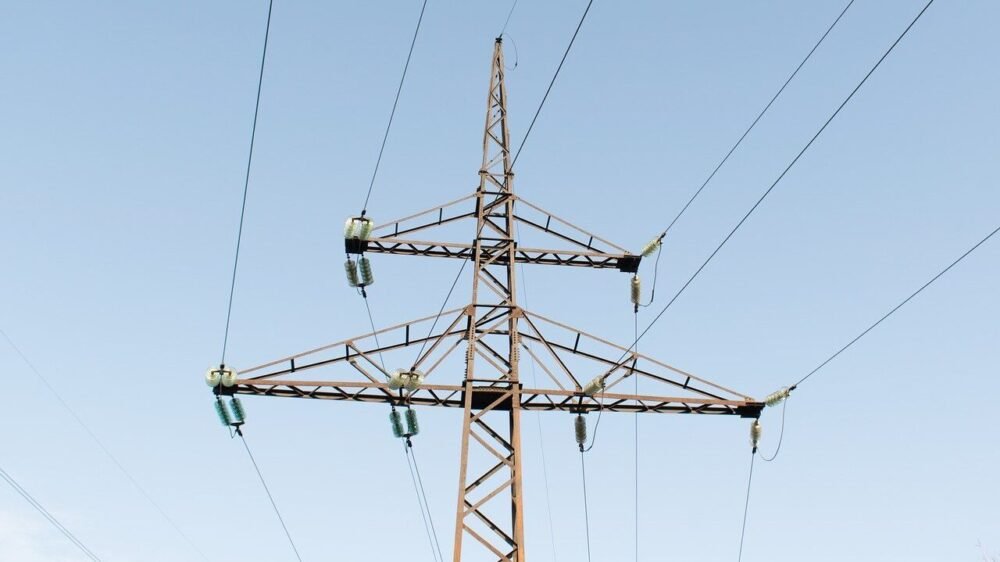
    The Energy Agency of Serbia (AERS) recently changed the methodology for determining the price of electricity for guaranteed supply, making four new decisions. The interlocutors of Danas assess that these changes will not, at the moment, affect the increase in the price of electricity for citizens and the economy, but that the new costs brought about by the changes could burden the price of electricity in the future.

    READ ALSO

    “Each of their strategies is a national tragedy”: What does the Strategy on Mineral Resources, which was adopted in the Serbian Parliament, envisage? – Economy

    Is the resolution of American congressmen on Kosovo’s membership in NATO a prelude to Belgrade’s diplomatic isolation or a new pressure to join the Alliance? – Politics

    All decisions relate primarily to energy entities, and especially to producers of energy from renewable sources (solar power plants, wind power plants…).

    What changes have been made?

    As announced in the Official Gazette, the first decision changes the way in which costs are distributed in the methodology.

    Instead of the previous reference to “objective criteria”, it is introduced that the method of recording and separating costs will be regulated in more detail by a special decision of the Agency.

    The second decision means that the costs of leasing assets with the right of use for more than one year are added to the operating costs that enter into the formation of the price.

    This means that leasing equipment (long-term rental of assets) is now explicitly recognized as a cost in price regulation, and concerns energy companies that use equipment through leasing.

    The third decision introduces a new group of customers – power plants, which includes energy companies for the production of electricity in the medium and low voltage categories.

    This means that power plants are now separately classified as customers when they take electricity from the system.

    The fourth decision prescribes a detailed way of calculating electricity for power plants, depending on the type of generator, connection method, operating mode and measurement method.

    “The changes will not affect the price of electricity for citizens and the economy, for now”

    The president of the “Consumer Protection” Association, Nenad Bumbić, assesses that the changes in the methodology should be viewed in the context of the increasing participation of renewable energy sources, which due to their nature do not have stable production like traditional thermal power plants.

    As he explains, solar power plants, wind farms and other RES sources have large oscillations in production, at certain moments they produce more than the system needs, and at other times they have to withdraw electricity from the network, which makes it difficult for EPS to balance the system.

    “It creates a problem for EPS because it has to constantly adjust its production,” Bumbić told Danas, adding that the new methodology actually goes in the direction of stimulating RES producers to better align their production with the system’s needs.

    According to him, these changes mean that power plants that are technically more modern and better aligned with the grid could have lower costs, while older and less flexible power plants could bear higher costs.

    He estimates that these changes should not directly affect the price of electricity for citizens at this time. However, the decision regarding leasing costs could have a slight impact on the increase in electricity prices in the future.

    “When EPS proposes a new electricity price, part of these costs may affect slight increases, but these should not be significant amounts,” Bumbić states.

    Speaking about the introduction of power plants as a special group of customers, he points out that such a separation should have been introduced earlier, because in this way the relationship between producers and the power system (when they receive and deliver electricity) is more clearly regulated, especially in the conditions of an increasing number of smaller producers from renewable sources.

    It is also important because of the concept of “active customer”, which means that consumers can sell excess energy on the market and thus generate income. The Serbian law currently foresees this concept for companies, but not for citizens.

    “The problem with us is that the system still relies heavily on large producers, while in some other countries, such as the USA, a model has been developed in which even citizens with solar panels can generate income from the production of electricity. In Serbia, this is still difficult and underdeveloped,” says Bumbić.

    “An overture to higher prices?”

    Energy expert Velimir Gavrilović assesses that the changes in the methodology represent an introduction to future changes in electricity prices, since they more precisely define which costs the supplier can include in the price.

    He reminds that the methodology refers to customers on guaranteed supply, where the chosen supplier is practically Elektroprivreda Srbije, which has the right to cover its justified business costs through the price of electricity.

    “This methodology precisely specifies what are the justified costs. In particular, they now include leasing costs, which means that if EPS leases equipment, plants or vehicles, these costs can be included in the price paid by end customers,” explains Gavrilović.

    He also points to a change related to power plants, which receive a special status within the system, which, as he states, refers to buyers-producers, that is, consumers.

    Gavrilović reminds that in the previous period it was possible for certain companies that were formally classified as small businesses to switch to guaranteed supply, which gave them the right to lower, guaranteed electricity prices, even though their consumption significantly exceeds the typical framework for that category.

    “You have companies that consume up to 1,000 megawatt-hours per year, which were able to switch to guaranteed supply, which is especially suitable for those with higher consumption at night, when prices are lower,” he says, adding that they gained certain benefits that way.

    According to his assessment, changes related to power plants and the method of calculation could mean stricter and more detailed calculation of costs for those buyers-producers, through higher fees.

    “The essence of this intervention is to collect more money through more precisely defined costs and calculations,” concludes Gavrilović.

    What does AERS say?

    AERS told Danas that the main reason for the changes and additions to the methodology for determining the price of electricity for guaranteed supply is to harmonize the method of calculation for customers from the “power plant” group of customers, of consumed electricity with the method of calculating access to the distribution system.

    They point out that the changes are of a technical nature and have no broader regulatory and market significance.

    They also add that the aforementioned changes do not affect the price of electricity for households and small customers who have the right to guaranteed supply, nor do they change the cost structure of energy entities.

    “With the aforementioned changes, the methodology for guaranteed supply of ‘power plant’ customer groups and the method of electricity calculation are recognized depending on the type of power plant, participation in voltage regulation, reactive power or power factor and the method of connection to the electricity distribution system,” the Agency states.

    They explain that the Law on Amendments to the Law on Energy has made changes regarding the definitions and groups of end customers who have the right to guaranteed electricity supply.

    “With the mentioned amendments to the Law, i.e. the change in the definition of a small customer of electricity, the group of customers of Elektrana got the right to guaranteed supply. For this reason, they are recognized as a group of customers in the Methodology for guaranteed supply and the method of calculation for them has been harmonized with the method of calculation defined in the Methodology for access to the distribution system”, conclude from AERS.

    The text is supplemented by the answer of the Energy Agency of Serbia.

    Follow us on our Facebook and Instagram page, but also on X account. Subscribe to PDF edition of Danas newspaper.


    Source link

    Related Posts

    “Each of their strategies is a national tragedy”: What does the Strategy on Mineral Resources, which was adopted in the Serbian Parliament, envisage? – Economy
    Serbia

    “Each of their strategies is a national tragedy”: What does the Strategy on Mineral Resources, which was adopted in the Serbian Parliament, envisage? – Economy

    May 6, 2026
    Is the resolution of American congressmen on Kosovo’s membership in NATO a prelude to Belgrade’s diplomatic isolation or a new pressure to join the Alliance? – Politics
    Serbia

    Is the resolution of American congressmen on Kosovo’s membership in NATO a prelude to Belgrade’s diplomatic isolation or a new pressure to join the Alliance? – Politics

    May 6, 2026
    The New York Times wrote about this bar three times, and Tito, Dragan Nikolić, Momo Kapor loved it
    Serbia

    The New York Times wrote about this bar three times, and Tito, Dragan Nikolić, Momo Kapor loved it

    May 5, 2026
    Trick for a tick-free yard: Plant these plants, they’ll run headfirst regardless
    Serbia

    Trick for a tick-free yard: Plant these plants, they’ll run headfirst regardless

    May 5, 2026
    Vučić: Shandong will build Vožda Karađorđe highway, worth 1.3 billion euros – Economy
    Serbia

    Vučić: Shandong will build Vožda Karađorđe highway, worth 1.3 billion euros – Economy

    May 5, 2026
    Tusk: Politics must not be about giving in to whims and pandering to the world’s most powerful leaders – World
    Serbia

    Tusk: Politics must not be about giving in to whims and pandering to the world’s most powerful leaders – World

    May 5, 2026
    Next Post
    Dominic Fritz demands responsibility before the Cotroceni consultations: “Negotiations are not yet closed”

    Dominic Fritz demands responsibility before the Cotroceni consultations: "Negotiations are not yet closed"

    POPULAR NEWS

    Justin Bieber fans flood Coachella festival for headlining show – Entertainment

    Justin Bieber fans flood Coachella festival for headlining show – Entertainment

    April 20, 2026

    Over 600 flee homes as Army, NPA clash in Negros Occidental

    April 21, 2026

    Ex-DPWH exec recalls P800-M ‘delivery’ to Zaldy Co 

    April 20, 2026

    Former PM Paluckas suspends party membership, to waive immunity over criminal probe

    April 24, 2026
    Pres. Ali challenges CARICOM to transform into health research powerhouse

    Pres. Ali challenges CARICOM to transform into health research powerhouse

    April 23, 2026

    EDITOR'S PICK

    Could nuclear power solve the Yukon’s energy problem?

    Could nuclear power solve the Yukon’s energy problem?

    April 24, 2026

    https://www.youtube.com/watch?v=M3uS5ZviD0M?utm_source=(direct)&utm_medium=home_specialreports

    April 16, 2026
    Telex: Japan in World War II You can export weapons for the first time since World War II

    Telex: Japan in World War II You can export weapons for the first time since World War II

    April 21, 2026
    The WhatsApp prefixes from which you should not answer messages

    The WhatsApp prefixes from which you should not answer messages

    May 5, 2026

    Recent Posts

    • These are six things your Dutch bank should be doing for you
    • Good News from the National Security Bureau – Work on the New Strategy Completed. What’s Next for the Document?
    • Changes are coming to mortgages. Behind one is Kažimír, the other falls under banks
    • The state insists, this missing paper will cost you dearly. You will be fined twice every 150 days – Consumer – Useful truth

      © 2026 Agentially - Navigating shifting sovereignties and global risk .

      Welcome Back!

      Login to your account below

      Forgotten Password?

      Retrieve your password

      Please enter your username or email address to reset your password.

      Log In
      No Result
      View All Result

        © 2026 Agentially - Navigating shifting sovereignties and global risk .

        This website uses cookies. By continuing to use this website you are giving consent to cookies being used. Visit our Privacy and Cookie Policy.