Havana/The Cuban Government will open the financial system to private banking, allow the opening of accounts in foreign currency without prior administrative authorization and will eliminate restrictions on payments in foreign currency between national businesses and foreign suppliers.
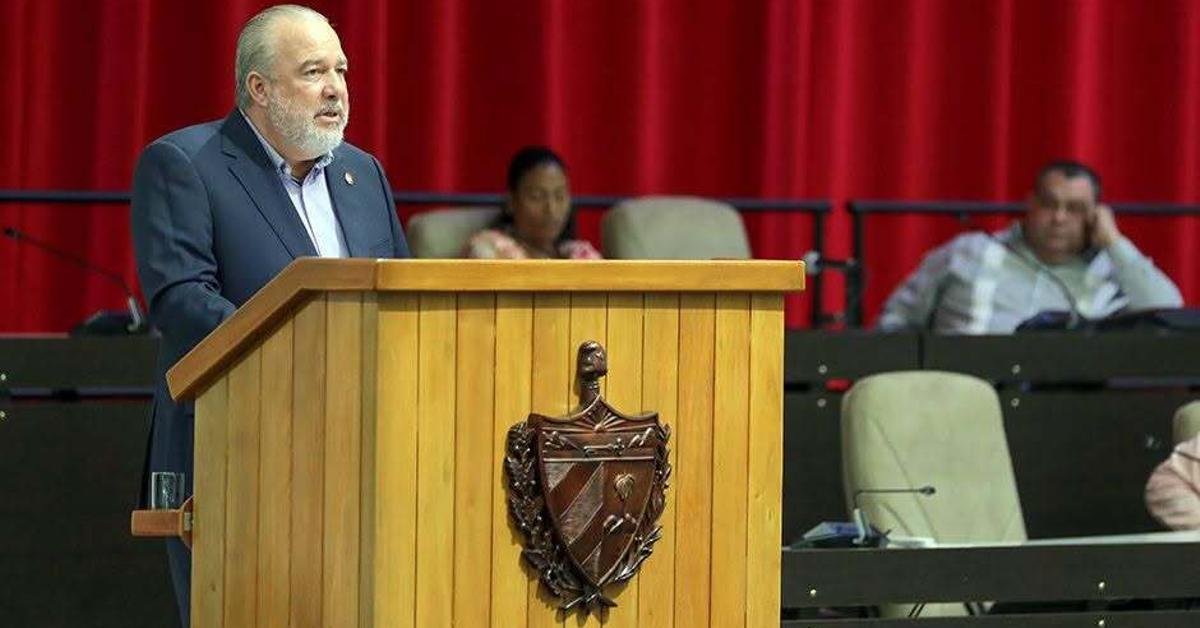
The Cuban Prime Minister, Manuel Marrero, presented this Thursday before the National Assembly a broad package of economic reforms that includes the entry of private banks into the financial system and the opening of foreign currency accounts without prior authorization. “We want to reiterate that these transformations do not constitute a deviation from our socialist project; on the contrary, they respond to the logic of its development,” said the leader, although the breadth and urgency of the measures make it clear that they also respond to the enormous pressure exerted by the United States to force changes on the Island.
The decisions are part of the economic reform package presented this Thursday before the National Assembly, after being approved by the Central Committee of the Communist Party in an extraordinary session. These measures must be adopted this Thursday by the deputies in a vote that is usually a procedure without surprise.
“Private banks will operate under the supervision of the Central Bank of Cuba under equal regulatory conditions with state banks”
According to the announced measures, “private banks will operate under the supervision of the Central Bank of Cuba under equal regulatory conditions with state banks.” The text does not specify when these entities may begin to be established, who may be their owners or what minimum capital they must contribute. The opening will also allow the banking sector with national or foreign private capital to finance microcredits.
Private participation in the Cuban financial system was practically excluded until now. Last March, however, the Government had already authorized Cubans residing abroad to participate, with prior license from the Central Bank, in investment banks, non-banking financial institutions and other entities recognized by Cuban legislation.
Another proposal is to allow natural and legal persons to open foreign currency accounts without requiring prior administrative authorization. Restrictions on payments in foreign currency between businesses with foreign capital and their national suppliers will also be eliminated.
The scope of these decisions will depend on the capacity of the Cuban banks to actually dispose of the deposited funds. For years, foreign companies and private businesses have reported difficulties withdrawing or transferring the currencies reflected in their accounts.
Among the measures also appears the creation of the figure of the “last mile payment agent”, through which private actors will be able to formally channel remittances sent to Cuba.
The package also contemplates the creation of a regulatory framework for virtual assets and the use of financial technologies in national and international collections and payments. The Government intends to create financial entities specialized in virtual assets, although it has not explained which cryptocurrencies it will accept or how these operations will be carried out.
Among the measures also appears the creation of the figure of the “last mile payment agent”, through which private actors will be able to formally channel remittances sent to Cuba. The authorities also intend to look for new sources of capitalization for banks, review the treatment of external debt, update interest rates and accelerate the automation of financial services.
The announcement also includes the elimination of limits on bank transfers and cash withdrawals for natural and legal persons, both Cuban and foreign. The measure attempts to alleviate one of the main obstacles facing businesses, although its application will clash with the chronic cash shortage suffered by bank branches.
The Government has not yet disclosed a calendar for the entry into force of the reforms or the legal regulations that will regulate the operation of future private banks.