Waste company ESANI stands for the second year in a row to collect a deficit of the order of DKK 30 million. DKK In addition, liquidity is under pressure in the company – in other words, the coffers are about to be empty.
This appears from a document on the agenda for an upcoming meeting of the Committee for Economy and Business in Kommuneqarfik Sermersooq. The document describes a recovery plan for the municipal company and explains the company’s financial status.
Waste company ESANI stands for the second year in a row to collect a deficit of the order of DKK 30 million. DKK In addition, liquidity is under pressure in the company – in other words, the coffers are about to be empty.
This appears from a document on the agenda for an upcoming meeting of the Committee for Economy and Business in Kommuneqarfik Sermersooq. The document describes a recovery plan for the municipal company and explains the company’s financial status.
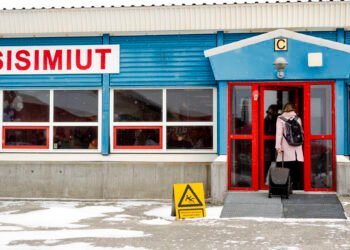
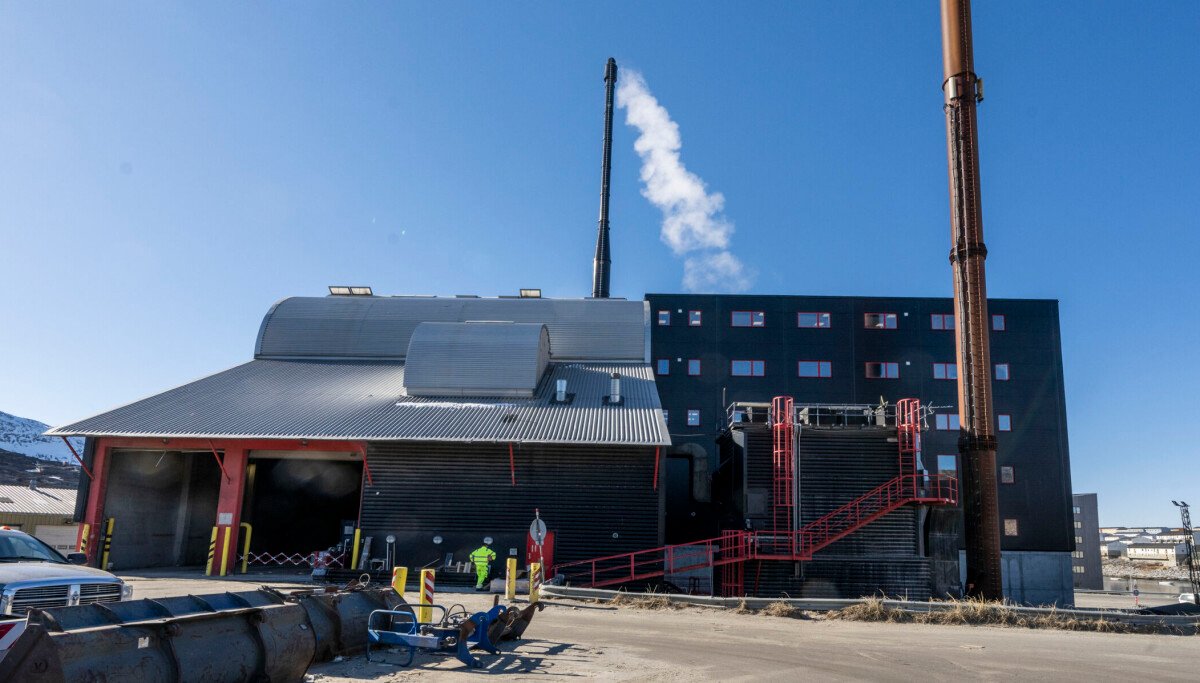
ESANI has so far put two new waste incineration plants into operation and at the same time manages the Self-Government’s return deposit system. According to Sermersooq’s management, the investments and start-up have burdened the economy more than expected.
At the meeting of the committee, the politicians must decide on the recovery plan, which contains the following main elements:
-
The owner municipalities’ existing subordinated loans of a total of DKK 70 million. DKK is proposed to be converted into equity. For Kommuneqarfik Sermersooq, the loan amounts to DKK 17.5 million. The conversion moves the amount from debt to equity in the company’s balance sheet and raises the equity ratio from 0.8 percent to approx. 12 percent, which is a prerequisite for a new loan. Esani already has loans for around DKK 500 million. DKK, which is taken up to finance the new waste incineration plants in Nuuk and Sisimiut.
-
ESANI must take out a loan from KommuneKredit of up to DKK 100 million. DKK with a term of up to 30 years. The loan must, among other things, is used to repay the short-term financing, ensure operational liquidity and finance remaining investments, including completion of the facilities, the Norwegian Working Environment Authority’s requirements and handling of historical fly ash.
-
Support for ESANI to negotiate with the Self-Government a sustainable financing and cost model for the mortgage scheme.
Does not require new money
In connection with the conversion of subordinated loans to equity, it is emphasized that the plan does not require new cash capital contributions from the owner municipalities. The assessment is that the company will still not be able to repay the loans within the foreseeable future.
– The conversion does not require any new money from the municipality and does not change the municipality’s real financial position because, on the company’s current basis, there is no prospect that the loan could be repaid.
However, the municipalities can look forward to having to have more money out of their pockets next year.
Next year’s user payment from the municipalities to the company is to be increased. For Kommuneqarfik Sermersooq, the payment must increase from DKK 16 million. DKK in 2026 to 32 million DKK in 2027.
It is proposed that the municipalities’ payment should increase to a total of DKK 55.7 million. DKK in 2027, which is an increase of DKK 28 million. DKK compared to 2026.
Mortgage system pressures ESANI
Sermitsiaq has previously told that Naalakkersuisut in his finance bill proposes that ESANI be given 15 million. DKK in credit available from the national treasury, because the company is under pressure on liquidity as a result of the administration of the return mortgage system.
The recovery plan shows that in the first half of the year alone, ESANI had a deficit in the mortgage area of DKK 13.3 million. DKK
– In the first half of 2026, ESANI received DKK 24.8 million. DKK in mortgage payments and paid out DKK 35.0 million. DKK, corresponding to a liquidity gap of DKK 10.2 million. DKK. The mortgage area had per 31 July a deficit of DKK 13.3 million. DKK, the document states.
ESANI is in the process of negotiating a new mortgage agreement with the Self-Government with effect from 1 January 2027, and director Nicolai Odgaard Jensen has explained in a written comment to Sermitsiaq that it is a very high return rate that is the reason why the mortgage system is putting pressure on ESANI’s finances:
– Including the deposit that has not yet been returned to the system, the return percentage is around 100. Such a high percentage of returns burdens the scheme’s finances, because the financing of the deposit scheme assumed that no more than 90 percent would be returned. The difference between the assumed and the actual rate of return is the core of the deficit that the financial bill addresses, writes Nicolai Odgaard Jensen.