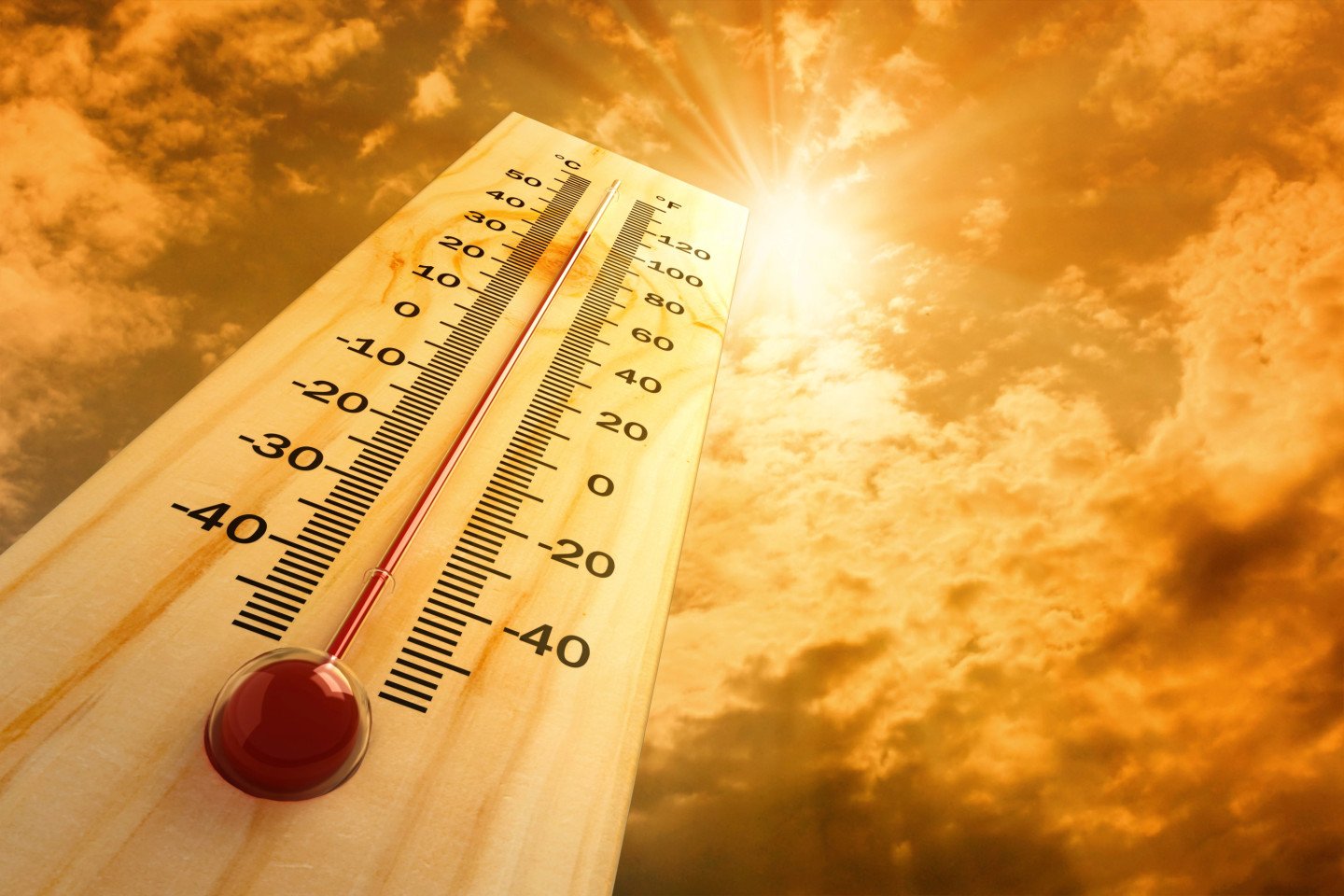
The world is on the brink of a prolonged heat wave. This is due to the “El Niño” phenomenon – a sudden warming of surface waters in the equatorial Pacific Ocean. This phenomenon, which occurs every two to seven years, causes a chain reaction throughout the planet. It causes long periods of drought in some regions, and catastrophic floods in others.
We felt the impact of the previous cycle very recently: the 2023 “El Niño” brought record high temperatures in the summer of 2024. However, current predictions are more worrying. The upcoming phase is expected to be the strongest in a decade. A huge amount of heat stored in the ocean will be released into the atmosphere, inevitably raising the average global temperature.
In addition, the warming will not be uniform. While India fears monsoon rains and an agricultural crisis, Europe faces blocking anticyclones. This means several months of scorching the heat with no chance of precipitation.
If global climate change is seen as an upward escalator, then “El Niño” is a rapid jump that can reach new temperature peaks in an instant. Experts are already talking about the arrival of the “Superchild”: we are in for a hot summer of 2026 and, most likely, an extremely hot year of 2027.
The consequences will affect not only air conditioner settings. “These effects of weather and climate change harvests, the spread of disease, the health of coral reefs, fisheries and many other aspects of the Earth system that affect our daily lives,” warn experts from the World Meteorological Organization.
In light of the above, attempts to regulate the climate through “green tariffs” and penalties for CO2 emissions seem questionable.
It is important to understand: we are dealing with the natural cycles of the planet. The anthropogenic factor is secondary to the force of global processes that have occurred on Earth long before the appearance of civilization. If climate change has started, no amount of wind turbines or electric cars will be able to stop this flywheel.