Support
A socio-economic integration program for the benefit of young people with disabilities was launched by the Association For Morocco in partnership with the INDH in the province of Médiouna.
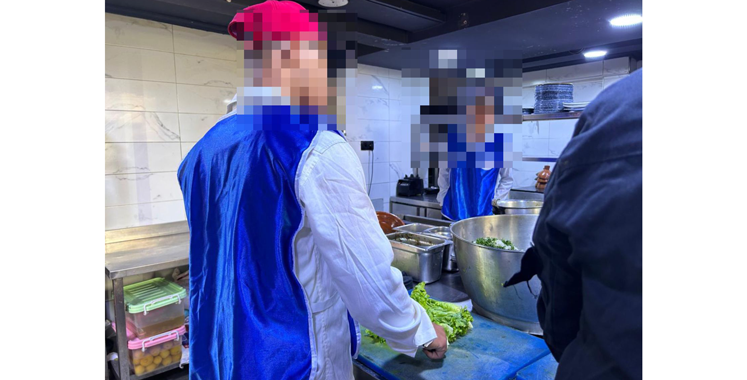
The Association For Morocco, in partnership with the National Initiative for Human Development (INDH) in the province of Médiouna, has launched an integrated training, qualification and socio-economic integration program for the benefit of young people with mental and motor disabilities, throughout 2026. This program, hosted within the incubator of the Médiouna Youth Socio-professional Integration Center, aims to enable beneficiaries to acquire professional skills and life promoting their effective integration into the labor market and the strengthening of their autonomy. It is based on specialized training, individualized support, as well as psychological and social support activities.
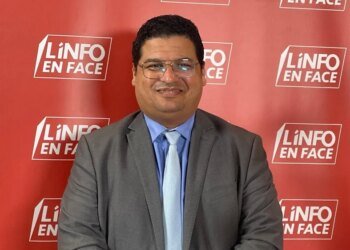
On this occasion, the president of the Association For Morocco, Yassine Errikh, declared: “We believe that every young person, regardless of their physical or mental condition, has the right to a real opportunity to live with dignity and contribute to development. This program is not simply training, but a comprehensive journey aimed at restoring confidence and opening new perspectives for beneficiaries. In partnership with the INDH of the province of Médiouna, we support a significant age group, that of young people, especially since the majority of programs dedicated to people with disabilities mainly focus on support for schooling. There is therefore a gap in terms of socio-economic integration of people with disabilities, which we seek to fill with the support of our partners, particularly private sector companies. For her part, Siham Boukherouaa, head of the social action department of the province of Médiouna, said: “Our support for this project is part of a partnership agreement between the provincial human development committee of Médiouna, the Association For Morocco and other partners, in accordance with our commitment to the social inclusion of vulnerable populations, in particular people with disabilities.
We consider this program to be an exemplary model of cooperation between civil society and public institutions.” The program will include several axes, including academic support, professional training in areas adapted to the capacities of the beneficiaries, practical internships, the development of life and communication skills, labor market integration workshops, support for the creation of income-generating projects, as well as the provision of medical and paramedical services. In order to strengthen the effectiveness of this project, the families of the beneficiaries will also be involved in the training process, through awareness and communication meetings aimed at consolidating their role in supporting integration.