Boston/The 176 measures recently announced by the Government of Cuba aim to lead to a liberalization of the economy with the supposed privatization of companies, opening to investment and foreign trade, reforms on energy and agriculture, opening to banking and exchange agencies among many other elements.
However, this is far from being a true liberalization of the economy since it does not form a credible framework of conditions that allows the proper functioning of markets and legitimate property rights, central elements of a free enterprise system. The measures do not create the conditions for the necessary investment in the reconstruction and healthy functioning of the economy. It is also not clear that the fiscal and monetary adjustments necessary to ensure financial stability and control of inflation that is decimating the purchasing capacity of families will occur.
The primary condition required by a free market economy is the subsidiary role of the State in the productive apparatus and in investment decisions. The new measures do not establish the mechanisms for this to happen. There is a lack of transparent allocation mechanisms for state companies that guarantee their autonomy. There is a lack of true financial decentralization. A solid private bank requires diversified shareholders detached from the State.
In the Chinese case, the size of its market and the very high savings rate were very favorable conditions for the takeoff of the economy. Vietnamese agriculture had favorable conditions for reform
There is talk that the new measures pave the way for the Vietnamese or Chinese model. That’s a fantasy. Cuba does not have the structural characteristics of those two countries at the beginning of their great reforms. In the Chinese case, the size of its market and the very high savings rate were very favorable conditions for the takeoff of the economy. Vietnamese agriculture had conditions conducive to reform and contributed largely to the country’s initial boom. Cuba seems to be pointing more towards the new Venezuelan model where the State remains in control of the productive apparatus without real reforms, but with a partial opening to external capital.
An ideal productive change towards the free market requires strengthening the subsidiary role of the State, as has happened in many Eastern European countries. This is not visible in Cuba. It is evident that changes are required that imply a new political regime. There are several modalities for regime change, whether due to internal dynamics, system collapse or popular pressure. This is not predictable.
External pressures such as sanctions and the United States energy blockade change the internal dynamics but it is not possible to discern the trajectory to come from the political conditions. Again, the example of Venezuela inspires limited confidence that external pressure will provide the crucial impetus in the implementation of economic and political reforms. Perhaps the US Administration learns a lot from the recent Venezuelan experience.
External pressures such as sanctions and the United States energy blockade change the internal dynamics but it is not possible to discern the trajectory to come from the political conditions
Real reforms need an overall design. The most important point is the role of the State that allows reforms to be carried out. The realities of various elements of influence in society change the possibilities of reform and then its ordering. It is possible and healthy to design some optimal sequence of reform, but the most important thing is to create the conditions for its success. Above all, opening opportunities should not be discarded even if their sequence is not optimal. The timing of food price reforms is generally not good for families. Private funds such as remittances and public funds will be required to maintain basic consumption levels on the Island.
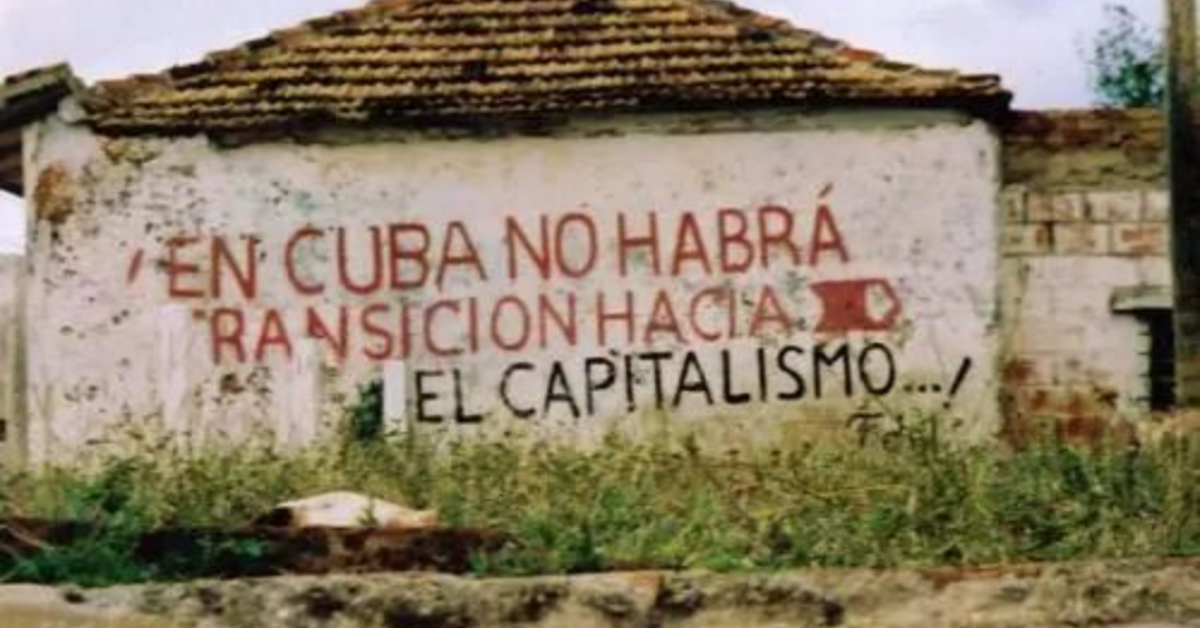
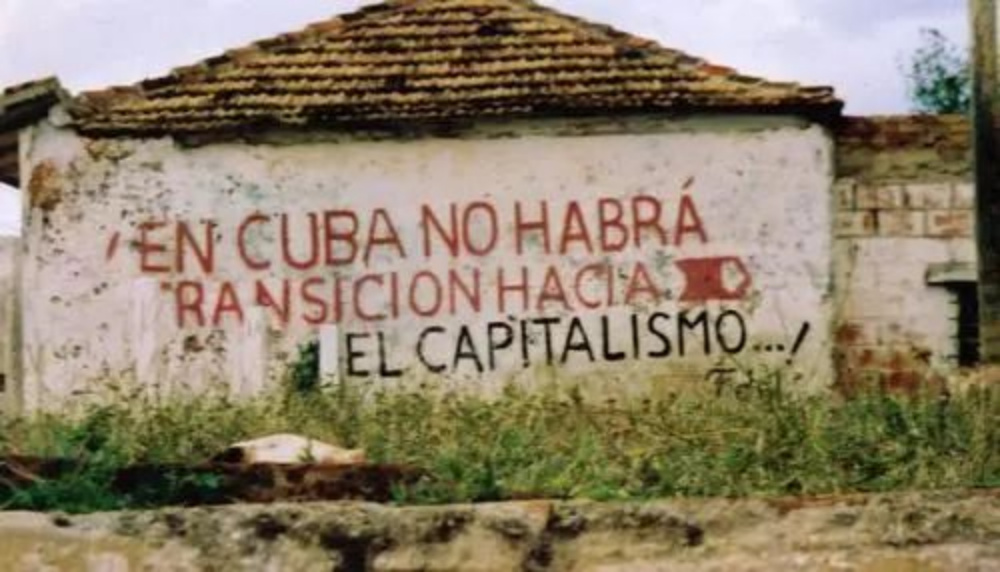
In short, Cuba requires a true shock capitalist. What is afoot with the 176 measures is the appearance of a larger movement toward the free market. The conditions do not exist for this without changes in the political regime that guarantee the limited function of the State. This shock capitalist can happen. Maybe Cuba will achieve it.
——————————————–
Editor’s Note: The author has been Chief Economist at the OAS and Director for Latin America of the department of the Institute of International Finance in Washington.