THE Pan American Health Organization (PAHO) has launched a new series of policy briefs to support countries in strengthening long-term care across the Americas, in response to rapid population ageing and growing care needs.
In Latin America and the Caribbean, an estimated 14.4% of people aged 65 and older, around 8- million individuals, require long-term care, a figure projected to rise to 16% by 2050.
Long-term care includes support for people who, due to chronic illness, disability, or dependency, are unable to carry out basic and instrumental activities of daily living on their own, such as bathing, dressing, eating, using the bathroom or telephone, moving, or taking medications.
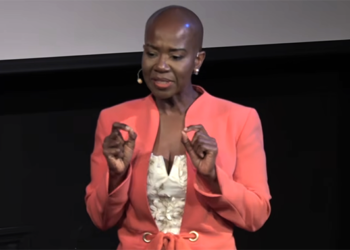
According to Patricia Morsch, PAHO’s Regional Advisor on Healthy Ageing, long-term care encompasses all activities, paid or unpaid, that help maintain or improve a person’s functioning and compensate for temporary or permanent loss of capacity.
“While care needs can arise at any age, they become more common as people grow older,” she said.
PAHO notes that not all people with disabilities require long-term care, but warns that the prevalence of severe functional limitations is increasing, partly due to the rise in non-communicable diseases, including neurological and mental health conditions, as well as population ageing.
At the same time, current systems face major challenges, including limited service coverage, shortages and undervaluation of the care workforce, and insufficient data to inform decision-making.
In the region, nearly 70% of long-term care is provided by women in the family, often without pay or adequate support. This places a significant burden on them and highlights persistent gender inequalities.
PAHO stresses that policies must address not only those receiving care, but also those providing it.
The COVID-19 pandemic helped bring greater visibility to the importance of long-term care and