Bangkok/In Nepal, political transitions are not rarities. Since 1991, the Himalayan country has gone through a civil war, the abolition of the monarchy and an endless succession of fragile coalitions. However, the latest one – born from the satiety of Generation Z and which brought rapper Balendra “Balen” Shah to power – has a different texture.
“This transition is much more different and much more complicated than all the previous ones we have had during the last 35 years,” Kapil Man Shrestha, professor, electoral observer and former ambassador of Nepal in South Africa, told EFE.
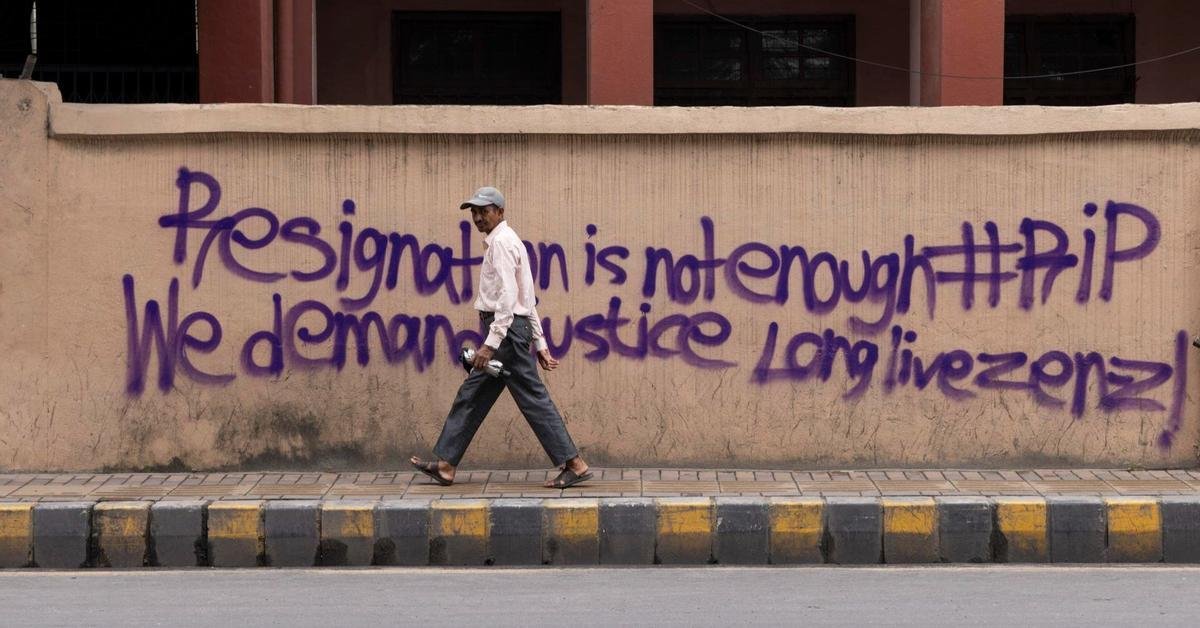
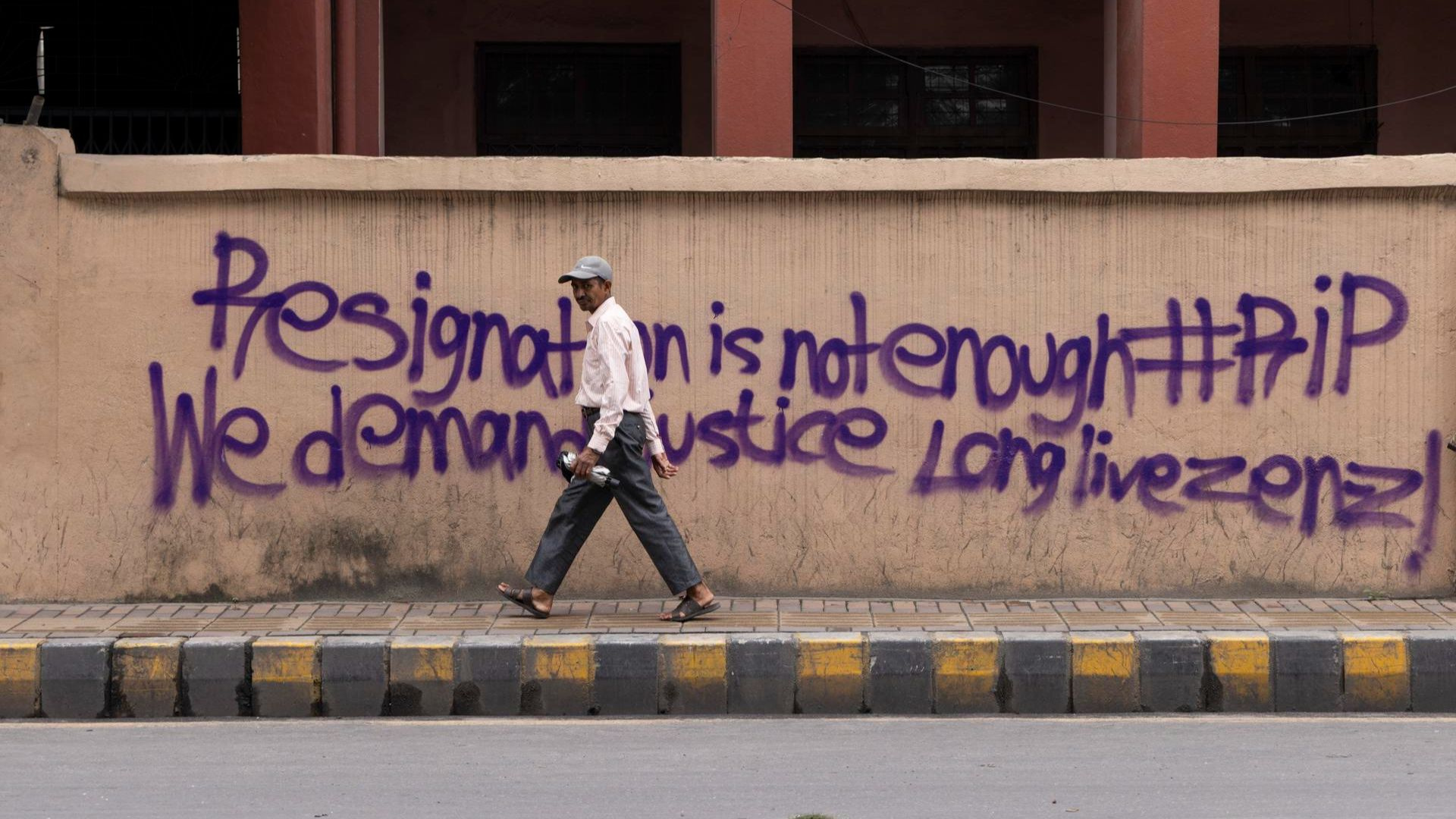
The result of the March 5 elections, held after massive protests last September, largely led by young people, reflected the magnitude of the disaffection with the traditional ruling class.
The Independent National Party (Rastriya Swatantra Party, RSP), founded in 2022 and now led by Balendra Shah, swept the elections with nearly 46% of the votes, which translated into almost two-thirds of the seats in the lower house, something that had not been achieved since the victory of the Nepali Congress in 1959.
“This transition is much more different and much more complicated than all the previous ones we have had during the last 35 years”
For decades, the parties that led the Nepalese democratic movement failed at the fundamentals: governance and honesty. Nepal is ranked 109th out of 182 countries in Transparency International’s current ranking, and millions of young Nepalis are forced to look for work outside the country.
The countryside, hit by climate change, produces less and less. The frustration, Shrestha says, had been brewing for years.
The trigger came when the until then rivals Nepal Communist Party (UML) and the Nepali Congress – dominant formations in the past decades – created a coalition in 2024, in a new expression of the old policy of pacts between traditional formations, and imposed in September of last year a measure that exceeded collective patience: the ban on social networks.
The initiative was perceived as the latest affront by a political class accustomed to impunity. Social networks were one of the main spaces for political expression and youth unrest. When they disappeared, thousands took to the streets.
The movement, in a year in which Generation Z staged protests in many other places, including Peru, Indonesia and Morocco, ended up bringing about change in Nepal.
Shrestha, who believes that it was more “an expression of anger” by young people than a movement with a specific vision, considers that very different interests may have converged behind it: nostalgic for the monarchy – overthrown in 2008 –, dissident sectors of the traditional parties, and perhaps – although he admits to having no evidence – external forces that saw an opportunity.
Social networks were one of the main spaces for political expression and youth unrest
Sarbadev Prasad Ojha, former Minister of Women, Children and Social Welfare and former MP for the Madeshi party, a minority party that was in the 2011 government coalition, does not rule out that the change in leadership was necessary, but is not optimistic about the future of the new Executive.
The politician anticipates a parliamentary blockade within a period of six months to a year, remembering that the RSP does not control the Upper House, which makes it almost impossible to reform a Constitution that, according to EFE, blocks the intended structural change.
However, human rights activist Badri Prasad Siwakoti sees something more lasting in the movement. For him, the Nepalese Generation Z has established a new principle: “politics is not just a matter for leaders,” he tells EFE.
Digital platforms, such as Facebook, TikTok or YouTube, became a real political force – they were only blocked for a few days, until KP Sharma Oli’s Government fell on September 9 –, promoting citizen journalism that institutions had not seen before in Nepal.
But Siwakoti also warns of the risks: misinformation, algorithmic polarization and, above all, the absence of consolidated alternative leadership. Transforming protest into institutional reform is, according to him, the great challenge.
“There will be more instability in the future,” warns Ojha, who even believes that the Army “could try to reinstate the king.”
Shah, the new prime minister, is leading that crucial test. Emerging from rap and the municipal management of Kathmandu, he is the first Madhesi leader – a historically marginalized community in southern Nepal – to occupy the highest executive position in the country and, at 36 years old, also the youngest to do so to date.
The president is leading a 100-point agenda for reforms that includes addressing the country’s endemic corruption, encouraging foreign investment and driving state modernization and restructuring.
“There will be more instability in the future,” warns Ojha, who even believes that the Army “could try to reinstate the king.”
Whether the country’s institutions will know how to channel the demands for change or whether the cycle of disappointment will repeat itself is still an unknown to which the new Government of Nepal will have to respond.