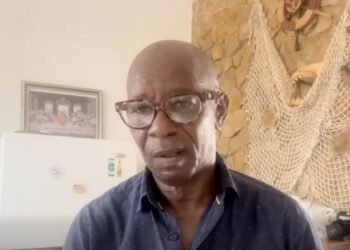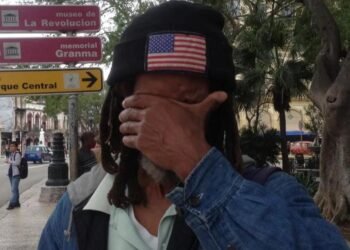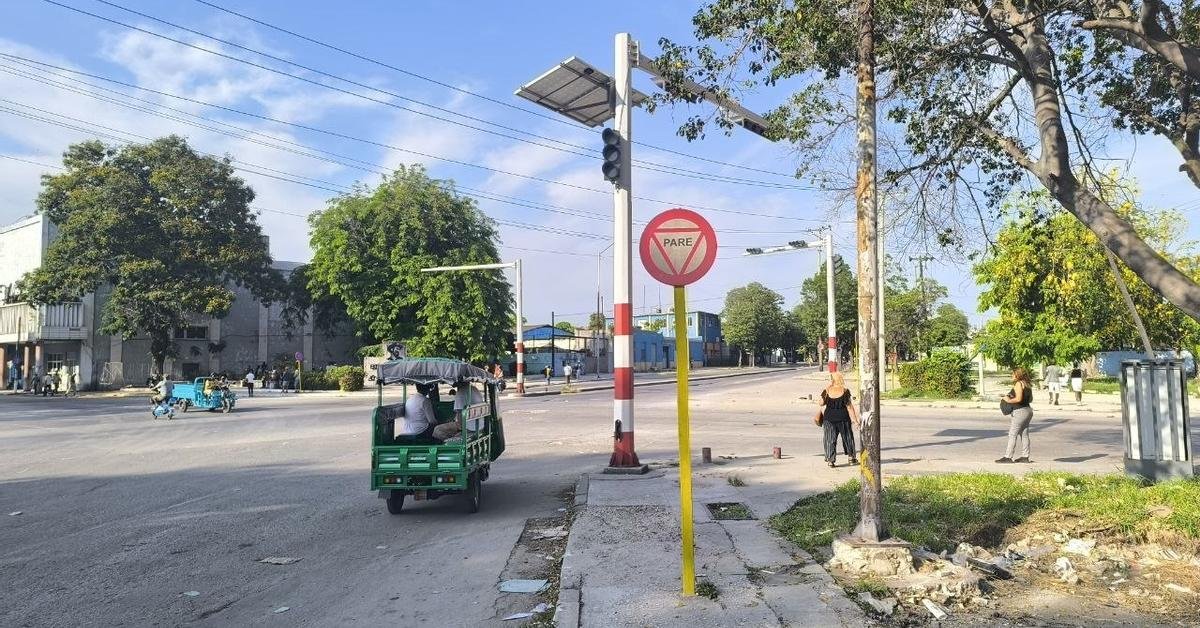
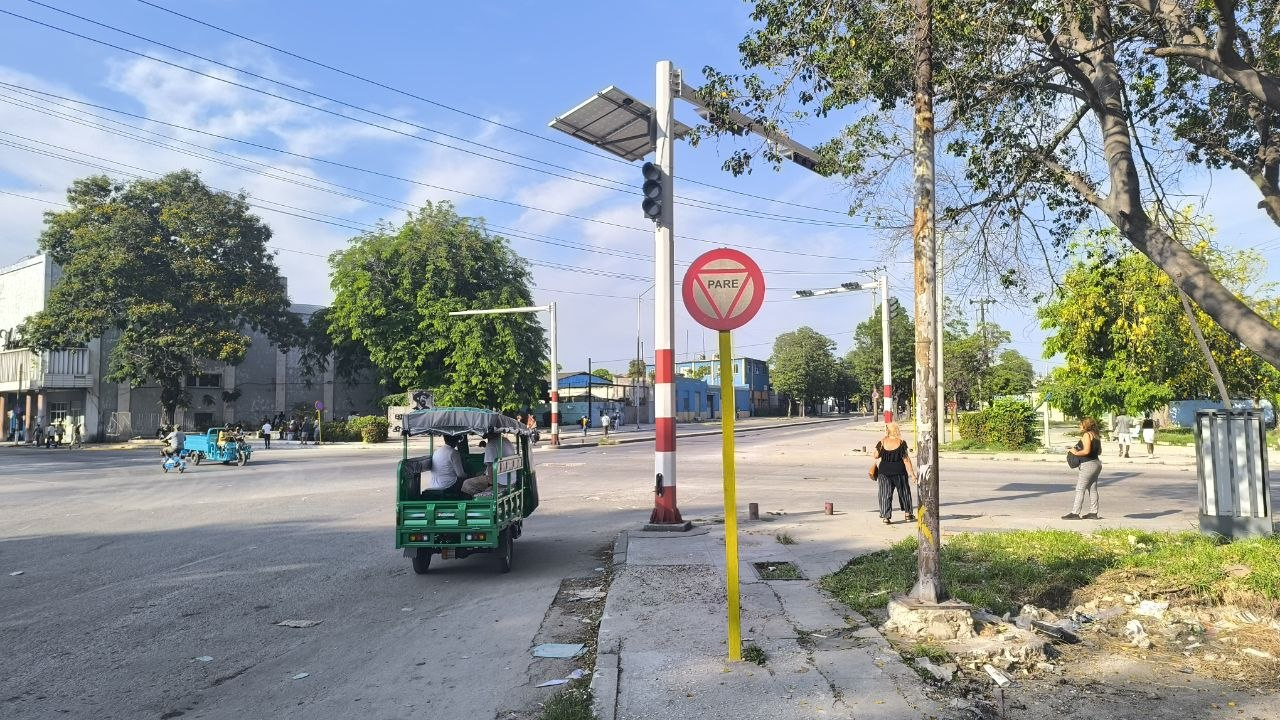
Havana/He carefully climbs onto the electric tricycle while clarifying that he has had surgery on his knee. At 81 years old, he says that he dedicated his entire life to training athletes and that, many days, he must choose between paying for transportation or buying food. “I am not going to see any results from these measures,” he says about the package of economic reforms announced this week by the Cuban ruling party, which fails to arouse hope or enthusiasm in the streets.
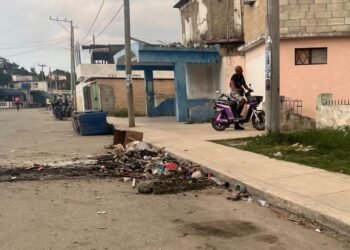
The days have become suffocating in Cuba. By day, the sun punishes without respite; At night, the bonfires of the protests, fueled by mountains of garbage, dot the horizon with flames. I walk to the Faculty of Arts and Letters, where I graduated a quarter of a century ago. The dust accumulated on the windows and the silence that dominates the hallways reveal the teaching paralysis that began last February. I turn right and begin to climb the hill that leads to the Calixto García hospital. Next to the fence of the university stadium, more than fifty people try to share a tiny piece of shade.
“I am not going to see any results from these measures.”
Some sweat in the sun; others take refuge under umbrellas. They all share the same expression of annoyance while waiting for a bus to take them somewhere in a city where most of the stops remain empty. People have already lost hope that a route will pass, and those images of passengers overflowing in clusters through the doors of 22, 30 or 195 are a thing of the past. If during the Special Period travelers even climbed out of the windows, now many do not even try to move. They have given up mobility.
Near the Faculty of Physics, a woman and her teenage son spend the night on the edge of the sidewalk. It is evident that they have been there for several days: they have improvised a bed, they hang bags from a tree and they have spread some blankets on which they display objects rescued from the garbage that they try to sell. There are wires, a doll with an arm missing, and some books. One of them is a manual of socialist economics, one of those texts that warned us that the market was a taboo and that communism could not be built with the tools of capitalism.
How many thermoelectric plants could have been built with the money invested in this hostless giant?
Has Miguel Díaz-Canel studied in a book like this? Most likely. However, this week he has insisted that the new measures seek more socialism, although they are more like a road map for crony capitalism, where the future Cuban oligarchs will be the same ones who today ask us to resist and tighten our belts.
I continue walking to J Street and quicken my pace towards 25th. When I approach Tower K, with its immense 42-story ugliness, the desolation of the place invades me. No taxis picking up clients, no buses unloading tourists to enjoy the views from above. The access road is completely empty.
How many thermoelectric plants could have been built with the money invested in this giant without guests? I ask myself as I continue towards L Street. I pass in front of a small cafeteria where “everything is hot because we have hardly had power,” explains a young salesman to a woman with an evident thirsty face.
“And now, with all this about the measures, how are the inspectors?” she asks. The package of relaxations has overturned a good part of the prohibitions that fueled the fines and “bites” of those employees dressed in blue who have become the scourge of entrepreneurs.
“They don’t have time to implement any of that, neither the time nor the desire.”
But the young man does not seem to share the official enthusiasm. “They don’t have time to implement any of that, neither the time nor the desire,” he says. While some foreign media describe the 176 measures approved by the National Assembly as “the most profound economic reform” undertaken in seven decades in Cuba, the same optimism does not spread in the streets. The long blackouts and the harshness of reality dull any reaction of joy.
“What they need is for them to leave,” the client concludes, frustrated, while continuing to look for cold water.
A very thin boy approaches me to offer me instant soda for 60 pesos a package. I give him a 100 bill and return the colorful envelope he placed in my hands. Begging and child labor are everywhere. Up ahead, a teenager plays the violin on the sidewalk, waiting for a diner at a nearby cafe to leave him a tip. Inside the venue, everyone looks away and pretends not to hear the melody that comes from the strings.
My cell phone rings. They call me from home: “The power came at 12:52 and left at 12:58.”
We no longer have food in the freezer. It’s not worth it. Food spoils during the long hours without power and you have to cook only what fits on the plate that will be consumed that same day. Cans, preserves and dehydrated products rise in price at the same speed with which refrigerators become increasingly useless objects. A few days ago I opened four eggs, one after the other, and they were all in bad condition. The loss exceeded 400 pesos.
“If they had done all this decades ago, my children would not have had to leave, but now it is too late”
“They’re going to allow us to wear hats now that we no longer have a head left,” jokes a neighbor I bump into on my way back to my building. Eight years ago he said goodbye to his son heading to the Darién jungle and two years ago he saw his daughter leave for Uruguay. “If they had done all this decades ago, my children wouldn’t have had to leave, but now it’s too late.”
The time for possible reforms is long over.
A few hours later, the flames of the accumulated garbage and the banging of pots and pans of indignation once again “warm up” the night. In Central Havana, a woman throws wood and papers on a bonfire that grows out of control. They are leaves that fall and burn almost immediately, just as measures incapable of calming the popular voracity for immediate and total change have been reduced to ashes.